

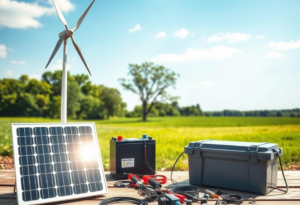
Did you know that the average American household experiences 8 hours of power outages annually, with some regions experiencing up to 3 times more disruptions? These increasing blackouts have sparked a critical need for reliable home energy independence through DIY renewable backup systems.
Blackout preparedness is no longer just a recommendation—it’s becoming a necessity. Renewable energy technologies offer homeowners practical solutions to protect against grid failures while reducing long-term electricity costs. From solar panels to wind turbines, DIY renewable energy backup power provides a sustainable alternative to traditional emergency generators.
This comprehensive guide will walk you through creating robust backup power systems that empower you to take control of your energy resilience. Whether you’re a tech enthusiast or a homeowner seeking practical energy solutions, these projects offer accessible ways to enhance your home’s power reliability and reduce environmental impact.
By exploring various renewable backup systems, you’ll discover how to safeguard critical appliances, maintain essential services during emergencies, and potentially save thousands on electricity expenses. Your journey to energy independence starts here.
Understanding the Need for Backup Power Systems
Reliable electricity has become a critical necessity in modern American households. Power outage statistics reveal a growing challenge for homeowners across the United States. The aging electrical infrastructure, combined with increasing climate change impacts, has made grid reliability more uncertain than ever before.
Electricity disruptions are no longer rare occurrences. Recent studies show a significant increase in power outages caused by:
- Extreme weather events
- Aging power grid infrastructure
- Increased demand during peak periods
- Natural disasters
The Rising Frequency of Power Outages
Climate change has dramatically transformed our energy landscape. Renewable energy benefits are becoming more apparent as traditional power systems struggle to meet growing challenges. The average American household now experiences multiple power interruptions annually, with some regions facing extended blackouts lasting hours or even days.
“Preparedness is the key to managing unexpected power disruptions.” – Energy Resilience Expert
Economic Impact of Blackouts on Households
Backup power costs can be significant. A single extended power outage can result in substantial economic losses, including:
- Spoiled food inventory
- Lost work productivity
- Potential electronic device damage
- Emergency accommodation expenses
Environmental Benefits of Renewable Backup Solutions
Transitioning to renewable energy backup systems offers multiple advantages. These solutions not only provide reliable power but also contribute to reducing carbon emissions and supporting sustainable energy practices.
By investing in alternative power generation, homeowners can mitigate the risks associated with grid unreliability while supporting broader environmental goals.
Essential Components of DIY Renewable Energy Backup Power
Creating a reliable backup power system requires understanding several critical system components that work together to convert and store energy. At the heart of any renewable energy setup are inverters, which transform DC power from solar panels or batteries into AC power for household electrical loads.
- Inverters: Convert DC to AC power
- Charge controllers: Regulate battery charging
- Battery banks: Store electrical energy
- Disconnect switches and safety mechanisms
Inverters play a crucial role in energy conversion. Pure sine wave inverters provide the cleanest power for sensitive electronics, while modified sine wave inverters work well for basic appliances and cost less.
| Component | Primary Function | Key Considerations |
|---|---|---|
| Inverters | Power Conversion | Wattage capacity, wave type |
| Charge Controllers | Battery Management | MPPT vs PWM technology |
| Battery Bank | Energy Storage | Capacity, voltage, depth of discharge |
Calculating your power requirements is essential for designing an effective backup system. Conduct a home energy audit to determine critical electrical loads during potential blackouts. This helps you accurately size inverters, battery capacity, and other system components.
Charge controllers are vital for protecting battery banks. MPPT controllers optimize energy harvest from solar panels, while PWM controllers provide basic charging regulation. Selecting the right controller extends battery life and improves overall system efficiency.
Solar Panel Systems for Emergency Power Generation
When disaster strikes and the power grid fails, photovoltaic systems offer a reliable backup solution for homeowners seeking energy independence. Solar power provides a critical lifeline during unexpected blackouts, ensuring essential electrical needs remain met.
Selecting the right solar panels requires careful consideration of multiple factors that impact performance and reliability. Homeowners have several options when exploring off-grid solar solutions.
Choosing the Right Solar Panels
Two primary solar panel technologies dominate the residential market:
- Monocrystalline panels: Higher efficiency, sleeker design, more expensive
- Polycrystalline panels: Lower cost, slightly reduced performance
When calculating your solar capacity, consider these critical factors:
- Average daily energy consumption
- Geographic sunlight hours
- Backup power requirements
Battery Storage Options
Solar battery backup systems are essential for storing generated electricity. Different battery technologies offer unique advantages for off-grid solar setups.
Popular battery options include:
- Lithium-ion batteries: Long lifespan, high efficiency
- Lead-acid batteries: Lower initial cost
- AGM batteries: Maintenance-free, reliable performance
Installation Best Practices
Solar installation safety requires meticulous planning and execution. Homeowners must choose between two primary mounting strategies:
- Roof mounting: Maximizes existing infrastructure
- Ground mounting: Offers flexible positioning
Critical safety considerations include proper electrical grounding, secure panel attachment, and compliance with local building codes. Professional consultation can help ensure a safe, effective solar backup system.
Wind Turbine Projects for Residential Backup Power
Residential wind energy offers an exciting opportunity for homeowners seeking reliable backup power solutions. Small wind turbines can provide a consistent alternative to traditional power sources, especially in areas with steady wind patterns.
Understanding the two primary wind turbine designs is crucial for effective wind power backup:
- Vertical Axis Wind Turbine (VAWT): Compact design ideal for urban environments
- Horizontal Axis Wind Turbine (HAWT): More traditional design with higher energy production
Conducting a thorough wind resource assessment is the first step in implementing residential wind energy. Key factors to consider include:
- Average wind speeds in your area
- Terrain and landscape characteristics
- Potential wind flow obstructions
| Turbine Type | Average Power Output | Best Suited For |
|---|---|---|
| Small VAWT | 1-5 kW | Urban/Suburban Areas |
| Small HAWT | 5-10 kW | Rural Properties |
When installing small wind turbines, consider tower height and placement carefully. Professional installation ensures maximum efficiency and safety for your wind power backup system.
“Wind energy represents a sustainable solution for homeowners seeking independent power generation.” – Renewable Energy Expert
Integrating wind turbines with battery storage creates a robust renewable energy backup strategy that complements solar power systems.
Building a Portable Solar Generator from Scratch
Creating a DIY solar generator is an excellent way to develop a reliable emergency power supply for your home or outdoor adventures. This mobile power system offers flexibility and independence during unexpected blackouts or remote trips. With some basic electrical skills and the right solar generator components, you can build a powerful portable power station that meets your backup power needs.
Crafting your own portable backup power solution requires careful planning and precise execution. The process transforms complex electrical engineering into an achievable home project that provides critical energy resilience.
Essential Materials for Your DIY Solar Generator Kit
- 100-200 watt solar panel
- Deep cycle lithium battery
- Robust protective carrying case
- Charge controller
- 1000-2000 watt power inverter
- Electrical connectors and wiring
- Safety equipment
Key Tools for Assembly
- Wire strippers
- Multimeter
- Drill with various bits
- Screwdrivers
- Protective gloves
- Safety glasses
Pro Tip: Always prioritize safety when working with electrical components and follow manufacturer guidelines precisely.
A well-designed portable solar generator can power essential devices during emergencies, providing peace of mind and critical energy support.
Assembly Strategy for Maximum Efficiency
When constructing your portable power station, focus on strategic component placement. Ensure balanced weight distribution and adequate ventilation. Connect solar panels to the charge controller, then link the controller to the battery, and finally connect the inverter to create a seamless mobile power system.
Your DIY solar generator kit will typically support small appliances, charge smartphones, power LED lights, and run essential communication devices during power interruptions. Runtime depends on your specific energy requirements and battery capacity.
Integrating Battery Banks with Renewable Energy Sources
Designing effective energy storage systems is crucial for reliable backup power. Deep cycle batteries form the backbone of renewable energy setups, providing critical power during periods when solar panels or wind turbines aren’t generating electricity.
Selecting the right lithium battery banks requires careful consideration of several key factors:
- Total power requirements
- Desired backup duration
- Temperature sensitivity
- Maintenance capabilities
Battery management systems play a vital role in protecting and optimizing energy storage. These intelligent systems monitor individual cell voltages, prevent overcharging, and ensure balanced performance across the battery bank.
When configuring battery banks, understanding series and parallel configurations becomes essential. Series configuration increases voltage, while parallel configuration enhances overall capacity. Matching batteries carefully maximizes battery lifespan and maintains consistent state of charge.
Key considerations for battery bank integration include:
- Proper ventilation
- Temperature control
- Accessibility for maintenance
- Safety protocols
Regular monitoring of battery health helps prevent unexpected failures and extends the overall performance of your renewable energy backup system.
Micro-Hydro Power Systems for Off-Grid Reliability
Renewable energy enthusiasts can unlock significant power potential through micro-hydro generator systems. Stream energy represents an often-overlooked backup power solution for properties with consistent water resources. These compact hydroelectric backup systems provide reliable electricity generation that operates independently of sunlight or wind conditions.
Water turbine power offers homeowners a sustainable approach to energy independence. Understanding your property’s water flow assessment becomes crucial in determining the feasibility of a micro-hydro installation.
Assessing Water Resources
Evaluating your property’s water resources requires careful measurement of two critical factors:
- Water flow rate
- Head pressure (vertical water drop)
The potential energy calculation involves measuring:
- Stream volume
- Vertical distance water can travel
- Available water quantity
DIY Turbine Construction
When designing a water turbine, two primary designs emerge as practical options:
| Turbine Type | Best Application | Power Output |
|---|---|---|
| Pelton wheel | High-head, low-flow streams | 500-5000 watts |
| Crossflow turbine | Medium-head water sources | 1000-10000 watts |
Constructing a DIY micro-hydro generator requires precision engineering and careful site selection. Proper intake structure design ensures maximum energy conversion from stream energy.
Successful micro-hydro power systems integrate seamlessly with existing renewable energy infrastructure, providing consistent electricity generation for off-grid properties.
Cost-Effective Hybrid Renewable Energy Solutions
Renewable energy enthusiasts are discovering the power of hybrid power systems as a game-changing approach to backup energy. By combining multiple renewable energy sources, homeowners can create more reliable and efficient multi-source backup power solutions that maximize energy diversity and system optimization.
Hybrid renewable energy systems leverage the unique strengths of different generation methods. A solar wind combination provides exceptional benefits by addressing individual source limitations. Solar panels generate electricity during sunny daylight hours, while wind turbines often produce power during cloudy periods or nighttime.
- Increased renewable energy efficiency
- More consistent power generation
- Reduced battery storage requirements
- Lower overall system costs
Complementary generation becomes crucial in designing resilient backup power configurations. Homeowners can strategically integrate different renewable sources based on local environmental conditions. The key is understanding each energy source’s unique characteristics and potential synergies.
When planning a hybrid system, consider these critical factors:
- Local resource availability
- Seasonal weather patterns
- Property-specific generation potential
- Budget constraints
Modern charge controllers and inverters make integrating multiple renewable sources easier than ever. Sophisticated switching arrangements can automatically optimize which energy source charges batteries or powers household loads, ensuring maximum efficiency and reliability.
Smart hybrid systems transform renewable backup power from a dream into an achievable reality for environmentally conscious homeowners.
Maintaining and Troubleshooting Your Backup Power System
Ensuring the long-term reliability of your renewable energy backup power system requires consistent system maintenance and proactive performance optimization. Proper care helps prevent unexpected failures and maximizes the lifespan of your investment.
Effective system monitoring begins with establishing a comprehensive maintenance routine that covers various aspects of your renewable energy setup.
Regular Maintenance Schedules
A strategic approach to preventive maintenance involves multiple layers of component inspection and system checks:
- Daily tasks:
- Check battery state of charge
- Verify system voltage levels
- Monitor overall system performance
- Weekly inspections:
- Visual checks of electrical connections
- Examine component integrity
- Verify cable and mounting security
- Monthly maintenance:
- Clean solar panels
- Inspect mounting hardware
- Check for any weather-related damage
Troubleshooting Power Systems
Identifying and resolving common issues quickly can prevent extended downtime and potential system damage. Here’s a quick reference for troubleshooting:
| Symptom | Potential Cause | Recommended Action |
|---|---|---|
| Battery not charging | Faulty charge controller | Check connections, test or replace controller |
| Reduced power generation | Panel or turbine obstruction | Clean surfaces, remove debris |
| Inverter shutdowns | Overload or temperature issues | Reduce load, check ventilation |
“Regular maintenance is the key to long-lasting renewable energy systems.” – Solar Energy Experts
Battery maintenance requires special attention. Different battery chemistries demand specific care protocols. Always consult manufacturer guidelines for precise maintenance instructions.
By implementing these systematic maintenance practices, you’ll ensure optimal performance and reliability of your backup power system for years to come.
Legal Considerations and Permits for Home Energy Projects

Navigating the legal landscape of DIY renewable energy projects requires careful planning and understanding of local regulations. Before embarking on your backup power system, you’ll need to address several critical legal requirements that vary across different jurisdictions.
Key legal considerations for home energy projects include:
- Obtaining necessary electrical permits from local authorities
- Complying with specific building codes for renewable energy installations
- Understanding net metering policies in your area
- Securing interconnection agreements with local utilities
“Knowledge of local regulations is your first line of defense in creating a successful renewable energy project.” – Energy Compliance Expert
Zoning regulations play a crucial role in determining the feasibility of your home energy project. Homeowners must carefully review zoning regulations and potential HOA restrictions before installation. Some key points to consider include:
- Height and placement restrictions for solar panels or wind turbines
- Utility notification requirements
- Specific inspection requirements for renewable energy systems
Local municipalities typically require comprehensive documentation for renewable energy installations. This includes detailed system plans, electrical schematics, and proof of compliance with national and local building standards. Engaging with local building departments early in your planning process can help prevent costly mistakes and ensure your project meets all necessary legal requirements.
Pro tip: Always consult with local authorities and a professional energy consultant to navigate the complex landscape of renewable energy regulations in your specific area.
Conclusion
Renewable backup power represents a transformative approach to energy resilience for American homeowners. By exploring DIY sustainable backup power solutions, individuals can take significant steps toward power independence and emergency preparedness. Each project offers a unique pathway to reducing reliance on traditional grid systems and building a more robust personal energy infrastructure.
The journey into renewable energy adoption doesn’t require massive investments or advanced technical skills. Homeowners can start with simple portable solar generators and progressively expand their systems as confidence grows. These projects not only provide practical emergency power solutions but also contribute to a broader clean energy future by reducing carbon footprints and promoting decentralized energy production.
Economic considerations make renewable backup systems increasingly attractive. While initial setup costs might seem challenging, the long-term benefits of minimal maintenance, zero fuel expenses, and extended operational lifespans create compelling financial incentives. Households can achieve substantial savings while simultaneously enhancing their energy security and environmental responsibility.
Embracing DIY renewable energy projects is more than a practical choice—it’s a statement of personal empowerment and commitment to sustainable living. As energy landscapes evolve, individual actions become critical in building resilient, adaptable communities prepared for emerging environmental and infrastructure challenges. Your renewable backup power journey starts now, one innovative project at a time.
FAQ
What are the most important components for a DIY renewable energy backup power system?
The most critical components include solar panels or wind turbines, inverters to convert DC to AC power, charge controllers to regulate battery charging, battery banks for energy storage, disconnect switches, and appropriate wiring. Each system requires careful selection based on your specific energy needs and local resources.
How much does a typical DIY renewable backup power system cost?
Costs can vary widely, from $500 for a portable solar generator to $10,000 or more for a comprehensive whole-home system. A basic solar backup system typically ranges between $2,000 and $5,000, depending on your energy requirements, equipment quality, and installation complexity.
Do I need special permits for installing a renewable backup power system?
Yes, most localities require electrical permits for renewable energy installations. You’ll typically need to submit system plans, schedule inspections, and obtain approval from local building departments. Electrical codes, zoning regulations, and potential homeowners association rules must be carefully considered before installation.
Can I completely go off-grid with a renewable backup power system?
While possible, going completely off-grid requires extensive planning and a robust system. Most homeowners start with a hybrid approach that connects to the main grid while having renewable backup capabilities. A comprehensive off-grid system needs substantial battery storage, multiple power generation sources, and careful energy management.
How long do renewable backup power system components typically last?
Component lifespans vary: solar panels can last 25-30 years, batteries typically last 5-15 years depending on type and maintenance, inverters usually last 10-15 years, and wind turbines can operate effectively for 20-25 years with proper maintenance.
What maintenance is required for a renewable backup power system?
Regular maintenance includes monthly visual inspections, cleaning solar panels, checking battery connections, monitoring system performance, and annual comprehensive system testing. Battery maintenance varies by type – lithium batteries require less maintenance compared to lead-acid batteries.
Are there tax incentives for installing renewable backup power systems?
Yes, the federal government offers a 30% investment tax credit for renewable energy systems. Many states and local utilities also provide additional rebates, grants, and incentives that can significantly offset initial installation costs.
Which renewable energy source is best for backup power?
There’s no universal “best” source – it depends on your location. Solar works well in sunny areas, wind is ideal for properties with consistent wind patterns, and micro-hydro is excellent for properties with flowing water. Many experts recommend a hybrid system combining multiple renewable sources for maximum reliability.
How do I determine the right size for my backup power system?
Conduct a home energy audit to calculate your critical power needs during an outage. Identify essential appliances, their wattage requirements, and expected runtime. Most homeowners start by creating a system that can power refrigeration, communication devices, medical equipment, and critical lighting.
Is it realistic for a non-technical person to build a DIY renewable backup power system?
While some technical skill helps, many DIY renewable energy projects are accessible to beginners. Start with simpler projects like portable solar generators, take online courses, join local renewable energy groups, and don’t hesitate to consult professionals for complex installations.