
Every year, approximately 1.3 billion tons of food are wasted globally, with refrigeration infrastructure playing a critical role in preservation challenges. Renewable energy cold storage agriculture emerges as a groundbreaking solution to address both food security and environmental sustainability.
Sustainable cold storage technologies are revolutionizing agricultural preservation by integrating clean energy systems into traditional refrigeration methods. Farmers and food distributors are discovering innovative ways to reduce energy costs while minimizing carbon footprints through advanced renewable energy approaches.
The United States agricultural sector stands at a crucial turning point, with renewable energy cold storage agriculture offering unprecedented opportunities for efficiency and environmental responsibility. Solar, wind, and geothermal technologies are transforming how food products are stored and preserved, creating more resilient and eco-friendly supply chains.
Modern agricultural operations now recognize that sustainable cold storage is not just an environmental choice but a strategic economic investment. By leveraging renewable energy technologies, farmers can significantly reduce operational expenses while contributing to global climate mitigation efforts.
This exploration will delve into cutting-edge renewable energy solutions that are reshaping food preservation infrastructure, demonstrating how clean energy technologies can create more efficient, cost-effective, and environmentally responsible cold storage systems across agricultural sectors.
The Growing Need for Sustainable Cold Chain Solutions
The agricultural cold chain faces critical challenges in modern food production and distribution. Inefficient refrigeration systems contribute to significant food waste and environmental degradation, with substantial economic implications for farmers and food producers.
Key challenges in the agricultural cold chain include:
- Up to 40% of food production lost due to inadequate refrigeration
- High carbon emissions from traditional cold storage methods
- Unreliable power infrastructure in rural agricultural regions
- Escalating energy costs for maintaining food preservation
Sustainable cold chain solutions have become imperative for addressing these pressing issues. Cold chain sustainability represents a transformative approach to agricultural refrigeration, focusing on renewable energy technologies that reduce environmental impact while improving food preservation efficiency.
Consumer demand is driving significant changes in agricultural practices. Modern consumers increasingly prioritize environmentally responsible food production, pushing farmers and agricultural businesses to adopt more sustainable refrigeration technologies.
“Sustainable refrigeration is no longer a luxury—it’s a necessity for modern agriculture.”
The agricultural sector must embrace innovative cold storage solutions that balance economic viability, environmental responsibility, and food security. Renewable energy systems offer a promising pathway to revolutionize the agricultural cold chain, providing reliable and eco-friendly refrigeration options for farmers worldwide.
How Renewable Energy Systems Work in Cold Storage Facilities
Renewable energy is revolutionizing cold storage technologies, offering sustainable solutions for agricultural and commercial refrigeration needs. Modern renewable refrigeration systems leverage innovative approaches to generate and maintain consistent cooling while reducing environmental impact.
The core of renewable refrigeration involves transforming natural energy sources into reliable cooling power. Different renewable technologies provide unique advantages for cold storage applications:
- Solar powered refrigeration generates electricity directly from sunlight
- Wind turbines create energy for large-scale storage facilities
- Geothermal cooling systems utilize underground temperature stability
Solar Power Integration for Refrigeration
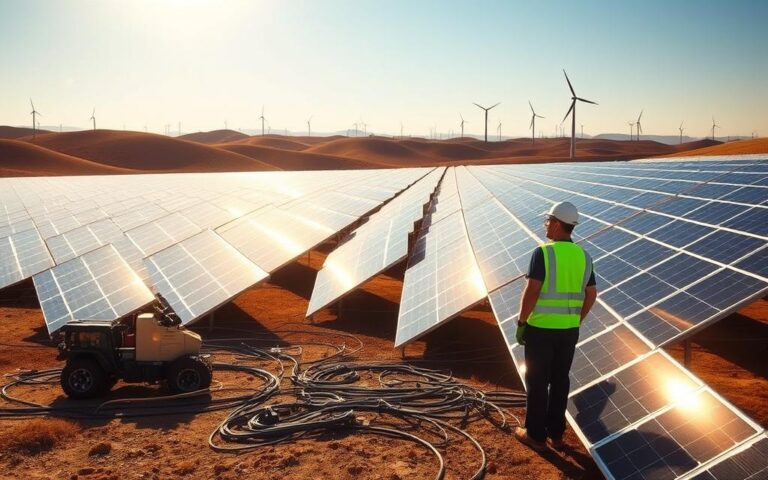
Solar powered refrigeration uses photovoltaic panels to convert sunlight into electrical energy. These systems can power compressors, fans, and control mechanisms in refrigeration units. Key considerations include panel placement, energy storage capabilities, and matching solar output with cooling requirements.
Wind Energy Applications in Large-Scale Storage
Wind energy offers substantial potential for powering cold storage facilities in rural agricultural regions. Wind turbines generate electricity through blade rotation, creating a consistent power source for geothermal cooling systems and other refrigeration technologies.
Geothermal Cooling Technologies
Geothermal cooling systems leverage stable underground temperatures to provide efficient refrigeration. Ground-source heat pumps extract thermal energy from the earth, creating a sustainable and low-energy cooling method for various storage applications.
Renewable energy technologies are transforming cold storage, offering environmentally friendly and cost-effective solutions for agricultural and commercial refrigeration needs.
Benefits of Renewable Energy Cold Storage Agriculture
Green energy food preservation is revolutionizing agricultural operations through sustainable agriculture technology. Farmers are discovering powerful advantages by implementing renewable energy cold storage systems that transform traditional food preservation methods.
The economic benefits of these innovative systems are substantial. Renewable energy cold storage offers significant cost reductions by:
- Dramatically lowering electricity expenses
- Protecting against energy price fluctuations
- Generating potential revenue from excess energy production
Environmental impacts represent another critical advantage. Sustainable agriculture technology enables farmers to:
- Reduce carbon footprint
- Minimize fossil fuel dependence
- Contribute to climate change mitigation efforts
Operational independence emerges as a key benefit. Renewable energy cold storage provides farmers with enhanced reliability, especially in remote agricultural locations. This technology ensures consistent food preservation capabilities during grid disruptions.
Market advantages further strengthen the case for green energy food preservation. Farmers implementing these systems can:
- Enhance brand reputation
- Access sustainability-focused consumer markets
- Qualify for prestigious green certifications
By embracing renewable energy cold storage, agricultural operations are not just preserving food more effectively but also positioning themselves as forward-thinking, environmentally responsible businesses.
Solar-Powered Cold Storage: Design and Implementation
Designing an effective photovoltaic cold storage system requires careful planning and strategic implementation. Farmers and agricultural businesses increasingly recognize the potential of renewable energy solutions for food preservation. The right approach can transform traditional refrigeration methods into sustainable, cost-effective operations.
Implementing off-grid cold storage demands a comprehensive understanding of energy requirements and technological capabilities. Agricultural operators must consider several critical factors when developing their solar refrigeration infrastructure.
Photovoltaic System Requirements
Successful photovoltaic cold storage depends on precise system configuration. Key considerations include:
- Solar panel efficiency ratings
- Geographic location solar potential
- Daily refrigeration energy consumption
- Temperature control specifications
The sizing of photovoltaic systems requires careful calculation. Operators must evaluate total refrigeration load, peak energy demands, and seasonal variations to design an optimal solar array.
Battery Storage Solutions for Continuous Operation
Battery storage for refrigeration represents the backbone of reliable off-grid cold storage systems. Advanced battery technologies ensure uninterrupted food preservation during periods of limited sunlight.
- Lithium-ion batteries offer high energy density
- Lead-acid batteries provide cost-effective solutions
- Flow batteries enable long-duration energy storage
Selecting the right battery management system guarantees consistent performance and maximizes the longevity of renewable energy investments in agricultural cold storage infrastructure.
Wind Energy Solutions for Agricultural Cold Storage
Wind powered cold storage represents a game-changing technology for agricultural refrigeration solutions. Farmers in wind-rich regions like the Great Plains and Midwest are discovering innovative ways to leverage wind energy for preserving their valuable crops.
Different agricultural operations can benefit from wind energy cold storage depending on their specific needs. Small farms might consider compact wind turbines, while larger commercial operations can implement more extensive wind power systems.
- Small farms: Compact wind turbines (1-10 kW)
- Medium operations: Intermediate turbines (10-100 kW)
- Large commercial farms: Industrial-scale wind systems (100+ kW)
Implementing farm refrigeration solutions through wind energy requires careful planning. Key considerations include:
- Wind resource assessment
- Turbine placement and height
- Electrical integration with existing refrigeration infrastructure
- Storage battery compatibility
Wind power offers unique advantages for agricultural cold storage. Consistent wind patterns in certain regions can provide more reliable energy generation compared to solar alternatives. Potato farms in Idaho and apple storage facilities in Washington State demonstrate successful wind-powered refrigeration implementations.
By investing in wind powered cold storage, farmers can reduce operational costs, decrease carbon emissions, and create more sustainable agricultural practices.
Hybrid Renewable Energy Systems for Food Preservation
Agricultural energy solutions are transforming how farmers approach food preservation through innovative hybrid renewable energy systems. These advanced technologies combine multiple renewable energy sources to create more reliable and efficient cold storage solutions.

Farmers increasingly recognize the potential of hybrid renewable energy systems to address critical challenges in food preservation. By integrating different renewable energy sources, agricultural operations can achieve more consistent and sustainable power generation.
Combining Solar and Wind Power
The strategic combination of solar and wind power offers unique advantages for agricultural energy solutions. These complementary energy sources work together to provide more consistent power generation throughout different weather conditions.
- Solar panels generate electricity during sunny daytime hours
- Wind turbines produce energy during cloudy or nighttime periods
- Integrated systems maximize overall energy production
Backup Power Integration Strategies
Effective hybrid renewable energy systems require robust backup power strategies to ensure uninterrupted cold storage operations. Farmers can implement multiple backup options to protect their agricultural products.
| Backup Power Source | Reliability | Cost Efficiency |
|---|---|---|
| Battery Storage Systems | High | Medium |
| Grid Connection | Very High | Low |
| Propane Generators | Medium | High |
Strategic power integration ensures that agricultural cold storage remains operational even during unexpected energy disruptions, protecting valuable food products and reducing potential economic losses.
Cost Analysis and Return on Investment for Renewable Cold Storage
Investing in energy efficient cold storage requires careful financial evaluation. Renewable energy systems for cold storage present a compelling economic opportunity for agricultural businesses seeking sustainable infrastructure solutions.
The total cost of implementing renewable cold storage involves several key components:
- Initial equipment purchase
- Installation expenses
- Permitting fees
- Long-term maintenance costs
Cold storage ROI calculations typically demonstrate significant long-term financial benefits. Agricultural operations can expect substantial savings through reduced electricity expenses and potential government incentives.
| System Type | Initial Investment | Annual Savings | Payback Period |
|---|---|---|---|
| Small Farm Solar Refrigeration | $25,000 | $4,500 | 5-7 years |
| Commercial Wind-Powered Storage | $150,000 | $30,000 | 4-6 years |
Key financial considerations for renewable cold storage investments include:
- Energy price volatility protection
- Potential tax credit opportunities
- Reduced carbon footprint
- Enhanced operational resilience
Businesses can maximize their cold storage ROI by carefully analyzing system design, local energy rates, and available renewable energy incentives. Strategic planning and professional financial assessment are crucial for successful implementation.
Case Studies: Successful Renewable Energy Cold Storage Projects
Renewable energy solutions are transforming agricultural post-harvest storage across the United States. These innovative case studies showcase how sustainable agriculture technology is revolutionizing cold storage for farmers of all scales.
Small-Scale Farm Implementations
Small farms are leading the charge in renewable energy adoption for agricultural post-harvest storage. These pioneering operations demonstrate the practical benefits of sustainable cooling solutions.
- Organic Berry Farm (Oregon):
- 5kW solar array with battery backup
- Reduced electricity costs by 70%
- Improved produce preservation
- Community Supported Agriculture (Colorado):
- Wind-powered vegetable storage system
- Eliminated grid dependency
- Extended produce shelf life
Commercial Agricultural Operations
Larger agricultural enterprises are implementing sophisticated renewable energy systems to enhance their sustainable agriculture technology infrastructure.
| Operation | Renewable Energy System | Annual Savings |
|---|---|---|
| Michigan Fruit Cooperative | 100kW Solar Installation | $85,000 |
| Idaho Potato Storage Facility | Wind Turbine Refrigeration | $120,000 |
| Texas Meat Processing Facility | Hybrid Solar-Wind System | $95,000 |
These case studies illustrate the transformative potential of renewable energy in agricultural post-harvest storage, offering scalable solutions for farmers seeking sustainable technology investments.
Overcoming Challenges in Renewable-Powered Refrigeration
Agricultural operations face significant hurdles when implementing renewable refrigeration systems. Energy efficient cold storage requires strategic planning and innovative solutions to address technical, financial, and practical challenges.
“Transforming agricultural cold storage with renewable energy demands creativity and persistence.” – Agricultural Technology Institute
Renewable refrigeration systems encounter several key obstacles that farmers must navigate:
- Intermittent energy generation from solar and wind sources
- High initial investment costs
- Complex technical integration requirements
- Limited technical expertise in agricultural settings
Technical challenges remain prominent in energy efficient cold storage implementations. Matching continuous refrigeration demands with variable renewable energy production requires sophisticated power management strategies.
| Challenge | Potential Solution |
|---|---|
| Power Fluctuations | Advanced battery storage systems |
| Startup Current Surges | Soft-start compressor technologies |
| Financing Barriers | USDA Rural Energy Program grants |
Agricultural extension services play a crucial role in supporting farmers transitioning to renewable refrigeration systems. These organizations provide technical guidance, helping producers understand system requirements and implementation strategies.
Regional variations significantly impact renewable cold storage adoption. Farmers must carefully assess local climate conditions, energy infrastructure, and available technological support when designing their renewable refrigeration approach.
Technology Innovations Driving Efficiency in Green Cold Storage
The landscape of sustainable cold storage is rapidly evolving with groundbreaking technological innovations. Renewable energy solutions for green energy food preservation are becoming more sophisticated, offering unprecedented efficiency and reliability for agricultural operations.
Key technological advances are transforming sustainable cold storage across multiple domains:
- Solar Panel Innovations
- Bifacial modules capturing reflected light
- High-efficiency panels exceeding 22% conversion rates
- Building-integrated photovoltaic systems
- Battery Technology Developments
- Declining costs of lithium-ion systems
- Emerging solid-state battery technologies
- Repurposed electric vehicle batteries for agricultural storage
Refrigeration technology is experiencing significant breakthroughs in green energy food preservation. Variable-speed compressors now reduce energy consumption while improving compatibility with renewable energy systems. Advanced insulation materials dramatically decrease cooling loads, creating more efficient sustainable cold storage solutions.
| Technology | Energy Efficiency Improvement | Potential Impact |
|---|---|---|
| Smart Control Systems | 15-25% reduction | Predictive energy optimization |
| Phase-Change Materials | 20-30% thermal stability | Temperature buffer during low generation |
| IoT Monitoring | Real-time tracking | Preventative maintenance |
Emerging concepts like solar thermal cooling systems and integrated renewable energy microgrids are pushing the boundaries of sustainable agricultural refrigeration. These innovations promise more resilient, cost-effective green energy food preservation strategies for farmers and food producers.
Policy Incentives and Funding Opportunities for Sustainable Cold Chain Infrastructure
Farmers and agricultural businesses seeking to implement renewable energy solutions for cold storage now have access to numerous financial support mechanisms. These renewable energy incentives provide critical support for agricultural energy solutions that can transform food preservation infrastructure.
The landscape of financial support offers multiple pathways for investing in sustainable cold storage technologies. Strategic funding opportunities can significantly reduce initial implementation costs and accelerate the adoption of green refrigeration systems.
Federal Grant Programs
The United States Department of Agriculture (USDA) offers several targeted programs supporting agricultural renewable energy projects:
- Rural Energy for America Program (REAP): Provides grants covering up to 25% of project costs
- Value-Added Producer Grant program: Supports cold storage infrastructure development
- Energy Efficiency and Conservation Loan Guarantee Program
Tax Credit Opportunities
Renewable energy tax incentives can dramatically improve project economics for agricultural businesses. Key tax credit options include:
| Tax Credit | Potential Savings | Eligibility |
|---|---|---|
| Federal Investment Tax Credit (ITC) | 30% of solar system costs | Solar energy installations |
| Production Tax Credit (PTC) | Up to 2.6¢ per kilowatt-hour | Wind energy systems |
| MACRS Depreciation | Accelerated asset depreciation | Renewable energy equipment |
Farmers can potentially reduce net project costs by 40-60% by strategically combining multiple incentives. This approach makes renewable energy investments more financially attractive and accelerates the transition to sustainable agricultural infrastructure.
Conclusion
Renewable energy cold storage agriculture represents a groundbreaking approach to sustainable food preservation. Farmers and agricultural businesses are discovering that sustainable agriculture technology can dramatically reduce operational costs while minimizing environmental impact. The integration of solar, wind, and geothermal technologies into cold storage solutions offers a powerful strategy for modernizing agricultural infrastructure.
The economic and environmental benefits of renewable energy cold storage are clear. By investing in advanced cooling technologies powered by clean energy sources, agricultural operations can achieve significant energy independence and reduce carbon emissions. Innovative systems now provide reliable refrigeration solutions that are both cost-effective and environmentally responsible.
Implementing renewable energy cold storage requires strategic planning and a commitment to technological innovation. Farmers should consider conducting energy audits, exploring available government incentives, and consulting with renewable energy professionals who specialize in agricultural applications. The future of food preservation lies in embracing sustainable technologies that balance operational efficiency with environmental stewardship.
As renewable energy solutions continue to evolve, agricultural businesses have an unprecedented opportunity to transform their cold storage infrastructure. By adopting these cutting-edge technologies, farms can build more resilient, efficient, and sustainable operations that meet the growing demands of modern agriculture while protecting our planet’s resources.
FAQ
What are the primary renewable energy sources used in agricultural cold storage?
The main renewable energy sources for agricultural cold storage include solar power, wind energy, and geothermal cooling technologies. Each of these can be used independently or in hybrid systems to provide reliable, sustainable refrigeration for agricultural products.
How much can farmers save by switching to renewable energy cold storage?
Farmers can potentially reduce energy costs by 40-60%, with some operations reporting up to 60% savings on electricity bills. The exact savings depend on system size, local energy rates, and specific agricultural application.
Are there government incentives for renewable energy cold storage?
Yes, multiple incentives exist, including the USDA Rural Energy for America Program (REAP), federal Investment Tax Credit (ITC), Production Tax Credit (PTC), and various state-level grants that can cover up to 25% of project costs.
What are the environmental benefits of renewable energy cold storage?
Renewable energy cold storage significantly reduces carbon emissions, decreases reliance on fossil fuels, minimizes environmental impact, and contributes to climate change mitigation while preserving agricultural products.
Can renewable energy cold storage work in remote locations?
Absolutely. Solar and wind systems provide energy independence, making them ideal for remote agricultural locations with unreliable grid power. Battery storage solutions ensure continuous operation even during periods of low energy generation.
What challenges do farmers face when implementing renewable energy cold storage?
Key challenges include high upfront costs, technical complexity, finding qualified installers, navigating permitting requirements, and matching intermittent renewable energy generation with continuous refrigeration needs.
How do hybrid renewable energy systems improve cold storage reliability?
Hybrid systems combining solar and wind power provide more consistent energy generation by leveraging the complementary nature of these renewable sources, ensuring more reliable power for critical cold storage operations.
What types of agricultural operations benefit most from renewable energy cold storage?
Operations in wind-rich regions like the Great Plains and Midwest, farms with high energy costs, those seeking energy independence, and businesses looking to enhance their sustainability credentials are ideal candidates.
How long does it typically take to recoup the investment in renewable energy cold storage?
Payback periods typically range from 5-10 years, depending on system size, local energy costs, available incentives, and specific agricultural application. Some operations report achieving returns as quickly as 7 years.
Are there emerging technologies improving renewable energy cold storage?
Recent innovations include high-efficiency solar panels, advanced battery technologies, variable-speed compressors, smart control systems, and phase-change materials that enhance overall system performance and energy efficiency.