
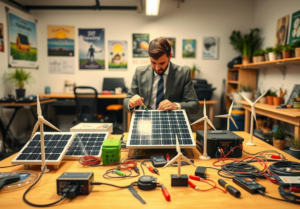
Did you know that residential solar installations in the United States have grown by over 35% in the last three years, with plug and play DIY renewable energy solutions driving much of this surge? The landscape of home energy generation is rapidly transforming, putting powerful renewable energy solutions directly into homeowners’ hands.
Modern technology has revolutionized how everyday people approach energy independence. Plug and play DIY renewable energy systems have simplified complex technical processes, enabling homeowners with minimal technical expertise to create their own sustainable power solutions.
These innovative renewable energy solutions eliminate traditional barriers to entry. Pre-configured components, user-friendly interfaces, and modular designs now make it possible for individuals to design, install, and manage their own clean energy systems without extensive professional training.
Whether you’re motivated by environmental consciousness, energy cost savings, or resilience against power grid disruptions, DIY renewable energy projects offer an exciting pathway to personal energy transformation. This guide will walk you through everything you need to know about creating your own sustainable power ecosystem.
Understanding the Rise of Plug and Play DIY Renewable Energy
The renewable energy landscape has transformed dramatically in recent years. Plug and play DIY renewable energy has emerged as a game-changing approach for homeowners seeking energy independence. This revolution stems from significant technological advancements that have made easy renewable energy installation accessible to everyone.
Several key factors have driven this transformation:
- Dramatic reduction in solar panel manufacturing costs
- Advanced modular component designs
- User-friendly installation technologies
- Growing consumer demand for sustainable energy solutions
Modern plug and play DIY renewable energy systems differ dramatically from traditional complex installations. Manufacturers now provide pre-wired components with color-coded connections, integrated safety features, and comprehensive instruction manuals. These innovations have dramatically lowered the technical barriers for homeowners interested in renewable energy.
The economic landscape has also shifted. Government incentives, decreasing equipment prices, and increased competition among manufacturers have made renewable energy more affordable. Homeowners can now invest in solar and wind systems without requiring extensive professional expertise.
Online communities and detailed video tutorials have further empowered DIY enthusiasts. These resources provide step-by-step guidance, making easy renewable energy installation a realistic goal for many households.
“Technology has democratized renewable energy, transforming it from a specialized industry to an accessible home improvement project.”
As grid reliability becomes increasingly uncertain, more people are exploring decentralized energy solutions. Plug and play systems offer a flexible, scalable approach to generating and storing personal electricity.
Benefits of Choosing Plug-and-Play Renewable Energy Systems
Renewable energy technologies have revolutionized home power generation, making affordable renewable energy options more accessible than ever before. Homeowners can now transform their energy infrastructure with user-friendly solutions that provide remarkable advantages over traditional installation methods.
The emergence of home renewable energy kits has democratized sustainable power generation, offering homeowners unprecedented opportunities to reduce energy costs and increase energy independence.
Cost Savings and Quick Return on Investment
Plug-and-play renewable energy systems deliver significant financial benefits through reduced installation expenses and streamlined setup processes. Homeowners can expect substantial savings by:
- Eliminating professional installation fees
- Reducing upfront equipment costs
- Accessing federal tax credits and state incentives
- Generating personal electricity and reducing utility bills
Simplified Installation Without Professional Help
Modern renewable energy kits are designed for DIY enthusiasts with basic technical skills. These comprehensive packages include:
- Detailed installation instructions
- Pre-configured components
- Online customer support
- Step-by-step video tutorials
Flexibility and Scalability for Growing Energy Needs
Modular renewable energy systems provide unparalleled adaptability. Homeowners can start with small installations and incrementally expand their setup as budget and energy requirements evolve. This approach minimizes initial investment barriers while allowing continuous system optimization.
Essential Components for Your DIY Solar Power Setup
Embarking on do it yourself solar power projects requires understanding the core components that make renewable energy systems work seamlessly. Each element plays a crucial role in transforming sunlight into usable electricity for your home.
The four fundamental components of a successful solar power system include:
- Solar Panels: The heart of your renewable energy system that converts sunlight into electrical energy
- Charge Controllers: Regulate electricity flow and protect battery storage
- Batteries: Store generated power for use during non-sunlight hours
- Inverters: Transform DC power into AC power for household appliances
When selecting solar panels for do it yourself solar power projects, consider key factors like efficiency ratings, wattage output, and panel type. Monocrystalline panels offer higher efficiency, while polycrystalline options provide more budget-friendly alternatives.
Charge controllers are critical in protecting your battery bank. Two primary types exist:
- PWM (Pulse Width Modulation) controllers – economical for smaller systems
- MPPT (Maximum Power Point Tracking) controllers – more efficient for larger renewable energy systems
Battery technology has advanced significantly, with lithium-ion batteries becoming the preferred choice for their longer lifespan and deeper discharge capabilities compared to traditional lead-acid batteries.
Selecting the right inverter ensures smooth power conversion. Pure sine wave inverters provide cleaner power suitable for sensitive electronics, making them ideal for comprehensive home renewable energy systems.
Building Your First Portable Solar Generator
Portable solar generators represent an exciting entry point into sustainable energy solutions for DIY enthusiasts. These compact green energy projects offer incredible flexibility, allowing you to generate electricity anywhere from camping sites to emergency backup scenarios.
Creating a portable solar generator empowers individuals to explore renewable energy without complex installations. The process combines practical skills with innovative technology, making it an ideal first step into green energy projects.
Selecting the Right Solar Panels and Battery Storage
Choosing appropriate components is crucial for an effective portable solar generator. Consider these key factors:
- Panel wattage range: 100-200 watts
- Battery capacity: 50-100 amp-hours
- Preferred battery type: Lithium-ion for lighter weight
Connecting Inverters and Charge Controllers
Proper connection ensures safe and efficient energy conversion. Follow this recommended wiring sequence:
- Connect solar panels to charge controller input
- Link charge controller output to battery
- Connect inverter to battery terminals
“A well-designed portable solar generator transforms renewable energy into personal power independence.” – Clean Energy Innovators
| Component | Recommended Specification | Usage Scenario |
|---|---|---|
| Solar Panel | 150W Monocrystalline | Camping/Emergency Backup |
| Battery | 12V 100Ah Lithium | Extended Off-Grid Power |
| Inverter | 1000W Pure Sine Wave | Sensitive Electronics |
Safety tip: Always use appropriate wire gauges and include circuit protection to prevent electrical risks.
Wind Energy Solutions for Residential Properties
Renewable energy solutions are expanding beyond traditional solar power, with wind energy emerging as a powerful alternative for homeowners. Wind power offers unique advantages for residential properties, especially in areas with consistent wind resources.
When exploring energy-saving DIY projects, residential wind turbines present an exciting opportunity for homeowners to generate clean electricity. These systems come in various designs:
- Horizontal-axis turbines (traditional windmill-like design)
- Vertical-axis turbines (more compact and omnidirectional)
- Micro-turbines for small-scale applications
Site assessment is crucial for successful wind energy implementation. Key factors include:
- Average wind speed (minimum 10 mph recommended)
- Local wind patterns
- Zoning regulations
- Potential obstructions like buildings or trees
Residential wind turbines typically generate between 400 watts to 10 kilowatts, with output directly influenced by wind speed and turbine design. Modern turbines address previous concerns about noise and wildlife impact, making them more attractive for homeowners.
Combining wind and solar renewable energy solutions creates a robust, year-round power generation system. Wind often produces electricity during times when solar panels cannot, such as nighttime or winter months, providing a complementary energy source for residential properties.
Hybrid Renewable Energy Systems: Combining Solar and Wind
Renewable energy systems are revolutionizing how homeowners generate power by combining multiple clean energy sources. Plug and play DIY renewable energy technologies now make it easier than ever to create hybrid systems that maximize energy production throughout the year.
Creating a hybrid renewable energy system allows you to leverage the unique strengths of both solar and wind power. Solar panels generate electricity during sunny daylight hours, while wind turbines can produce power during nighttime and winter months when sunlight is limited.
Optimizing Energy Production Throughout the Year
Designing an effective hybrid system requires understanding your local climate and energy needs. Consider these key factors:
- Analyze seasonal weather patterns in your region
- Determine the optimal ratio of solar to wind capacity
- Use historical weather data to assess potential energy production
“A well-designed hybrid system can reduce battery requirements and provide more consistent clean energy throughout the year.” – Renewable Energy Expert
Managing Multiple Power Sources Efficiently
Modern plug and play DIY renewable energy components simplify the integration of multiple power sources. Hybrid charge controllers can now seamlessly manage inputs from both solar panels and wind turbines, ensuring optimal battery charging and system performance.
Key management strategies include:
- Using advanced charge controllers
- Implementing smart load management
- Monitoring real-time energy production
Energy Storage Options for Off-Grid Independence
Achieving true independence with home renewable energy kits requires robust energy storage solutions. Sustainable energy solutions depend on effective battery systems that store power for use during low generation periods.
Modern battery technologies have revolutionized off-grid power storage, offering homeowners multiple options to maintain consistent electricity supply. The key is selecting the right storage system that matches your specific energy needs.
- Lithium-ion Batteries
- Longest lifespan
- High energy density
- Faster charging capabilities
- Lead-Acid Batteries
- Lower initial cost
- Reliable performance
- Proven technology
- Emerging Technologies
- Saltwater batteries
- Flow battery systems
- Advanced hybrid solutions
When designing your energy storage strategy, consider factors like total capacity, depth of discharge, and system compatibility. Proper battery selection can dramatically improve the efficiency of your renewable energy setup.
| Battery Type | Lifespan | Cost per kWh | Best Application |
|---|---|---|---|
| Lithium-Ion | 10-15 years | $500-$700 | High-performance systems |
| Lead-Acid | 3-7 years | $200-$400 | Budget-conscious setups |
| Saltwater | 5-10 years | $300-$500 | Environmentally sensitive areas |
Investing in quality energy storage transforms intermittent renewable generation into a reliable power source. Smart homeowners understand that battery systems are the backbone of sustainable energy solutions.
Safety Considerations and Best Practices for DIY Installations
Embarking on easy renewable energy installation requires careful attention to safety and regulatory compliance. Plug-and-play renewable energy solutions offer incredible flexibility, but protecting yourself and your equipment remains crucial. Electrical systems demand respect and meticulous planning to prevent potential hazards.
DIY renewable energy projects introduce unique safety challenges that demand thorough understanding and preparation. Proper implementation of safety standards protects both your investment and personal well-being.
Electrical Safety Standards and Code Compliance
Navigating electrical safety involves several critical components:
- Understand National Electrical Code (NEC) requirements
- Verify local building permit regulations
- Ensure proper system grounding
- Install appropriate overcurrent protection
Weather and Environmental Protection Strategies
Protecting renewable energy systems from environmental challenges requires strategic planning:
| Protection Area | Recommended Strategy |
|---|---|
| Electrical Connections | Use weatherproof enclosures and outdoor-rated components |
| Lightning Protection | Install surge suppressors and proper grounding systems |
| Temperature Management | Ensure adequate ventilation for inverters and controllers |
Implementing these safety considerations transforms your easy renewable energy installation from a potential risk into a reliable, sustainable power solution. Prioritize safety, follow regulations, and enjoy the benefits of your DIY renewable energy system.
Monitoring and Maintaining Your Renewable Energy System
Keeping your renewable energy systems running efficiently requires consistent monitoring and proactive maintenance. These energy-saving DIY projects demand strategic attention to ensure optimal performance and longevity.
Regular monitoring helps you track your system’s health and identify potential issues before they become serious problems. Here are key aspects to focus on:
- Check solar panel output voltage and current
- Monitor battery state of charge
- Track daily and cumulative energy production
- Inspect system components for wear and damage
Maintenance routines vary depending on your specific renewable energy systems. Solar panels require different care compared to wind turbines or battery storage units.
| Component | Maintenance Frequency | Key Actions |
|---|---|---|
| Solar Panels | Quarterly | Clean surface, check for damage, verify connections |
| Battery Storage | Bi-annually | Test voltage, clean terminals, check temperature |
| Inverters | Annually | Update firmware, inspect cooling systems |
Smart monitoring technologies can simplify tracking your system’s performance. Modern smartphone apps and cloud-based platforms provide real-time insights into energy production and consumption.
“Preventative maintenance is the key to maximizing your renewable energy investment.” – Clean Energy Expert
By implementing these monitoring strategies, you’ll extend your system’s lifespan, optimize energy production, and ensure your energy-saving DIY projects continue delivering sustainable power efficiently.
Calculating Your Energy Needs and System Sizing
Designing an effective do it yourself solar power system starts with precise energy calculations. Successful renewable energy projects rely on understanding your specific power requirements and matching them with affordable renewable energy options.
Accurate system sizing prevents two common mistakes: under-powering your installation or overspending on unnecessary components. The key is matching your energy consumption with the right renewable energy setup.
Assessing Your Home’s Power Consumption
To determine your energy needs, follow these steps:
- Collect recent utility bills to understand average daily consumption
- Create a comprehensive device inventory
- Calculate wattage for each electrical device
- Estimate daily usage hours for each appliance
“Know your energy consumption before investing in any renewable system” – Solar Energy Experts
Pay special attention to different load types:
- Continuous loads: Refrigerators, network equipment
- Intermittent loads: Power tools, microwaves
- High surge loads: Motors requiring 2-3 times startup wattage
Determining Optimal Component Specifications
Translating energy needs into system components requires careful planning. Consider solar panel wattage, local sun hours, and system efficiency. Your do it yourself solar power project should balance performance with budget constraints.
Start by reducing energy consumption through efficient appliances and smart conservation strategies. This approach makes affordable renewable energy options more achievable and cost-effective.
Conclusion
Plug and play DIY renewable energy has transformed how homeowners approach sustainable power generation. These innovative green energy projects offer an accessible pathway to energy independence, enabling individuals to take control of their electricity production without extensive technical expertise.
Modern plug and play DIY renewable energy systems have dramatically simplified the transition to clean power. Homeowners can now start with modest solar generators or expand to comprehensive home energy solutions with minimal barriers to entry. The combination of user-friendly components, online resources, and affordable technology makes renewable energy more attainable than ever before.
Your journey into sustainable energy begins with understanding your home’s specific needs and starting small. Whether you’re motivated by cost savings, environmental impact, or energy resilience, these renewable systems provide tangible benefits. By investing in DIY green energy projects, you’re not just reducing electricity bills—you’re participating in a broader movement toward sustainable, decentralized power generation.
Remember that every solar panel installed and every kilowatt generated represents a step toward personal energy independence. The renewable energy landscape continues to evolve, offering increasingly sophisticated yet user-friendly technologies for homeowners ready to embrace a cleaner, more sustainable future.
FAQ
What are plug-and-play renewable energy systems?
Plug-and-play renewable energy systems are pre-configured, user-friendly energy solutions that allow homeowners to easily install solar, wind, or hybrid power systems with minimal technical expertise. These systems come with standardized components, color-coded connections, and comprehensive instructions, making DIY green energy projects accessible to average homeowners without professional electrical knowledge.
How much does a typical DIY renewable energy system cost?
The cost varies widely depending on system size and complexity. A small portable solar generator might start around $300-$500, while a comprehensive home solar setup can range from $2,000 to $15,000. However, DIY installations can save 30-50% compared to professional installations, and federal tax credits can offset up to 30% of the total system cost.
Do I need special skills to install a renewable energy system?
While some basic technical skills are helpful, most plug-and-play renewable energy kits are designed for people with minimal electrical experience. You’ll need basic tool use skills, the ability to follow detailed instructions, and a commitment to safety. Many manufacturers provide extensive documentation, online tutorials, and customer support to guide you through the installation process.
Can I start small and expand my renewable energy system later?
Absolutely! One of the biggest advantages of modern renewable energy solutions is their modularity and scalability. You can start with a small portable solar generator or a few panels and gradually expand your system as your budget and energy needs grow. Most plug-and-play components are designed to be compatible, allowing for easy future additions.
What maintenance do renewable energy systems require?
Maintenance is relatively minimal. Solar panels typically need occasional cleaning to remove dust and debris. Wind turbines require more frequent checks, including blade and bearing inspections. Battery systems need periodic monitoring of charge levels and connections. Most modern systems include monitoring apps that help you track performance and identify any potential issues quickly.
Are DIY renewable energy systems legal?
Legality depends on your local regulations. Most jurisdictions require permits for permanent installations, especially for grid-tied systems. It’s crucial to check local building codes, electrical regulations, and utility interconnection requirements. Some areas have specific guidelines for renewable energy installations, and you may need an inspection to ensure compliance.
How long do renewable energy components typically last?
Solar panels typically last 25-30 years with minimal performance degradation. Batteries vary by type: lithium-ion can last 10-15 years, while lead-acid batteries might need replacement every 5-7 years. Wind turbines have a lifespan of 20-25 years with proper maintenance. Most manufacturers offer warranties that guarantee performance for a significant portion of the system’s expected lifetime.
Can I go completely off-grid with a DIY renewable energy system?
Yes, it’s possible to create a fully off-grid renewable energy system, but it requires careful planning. You’ll need to calculate your energy consumption, install sufficient solar or wind generation capacity, and include a robust battery storage system to provide power during low-generation periods. Hybrid systems combining solar and wind can provide more consistent power generation for off-grid applications.