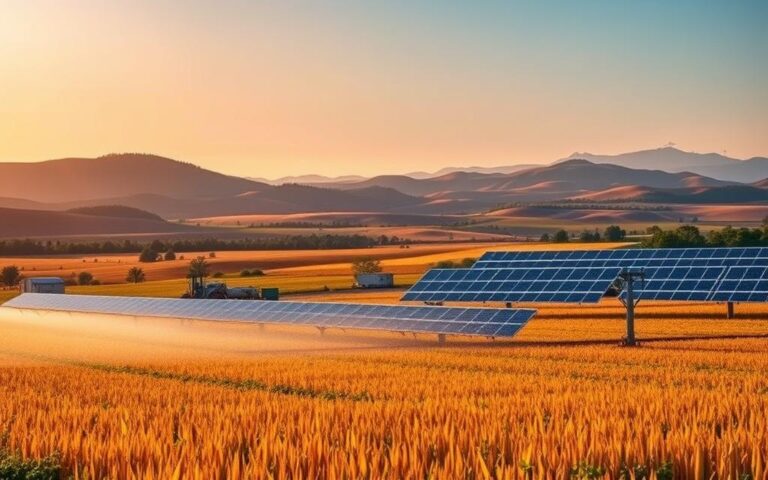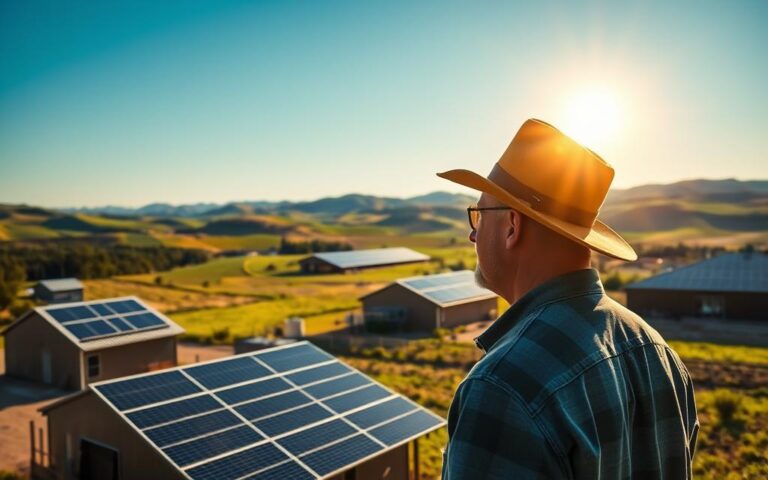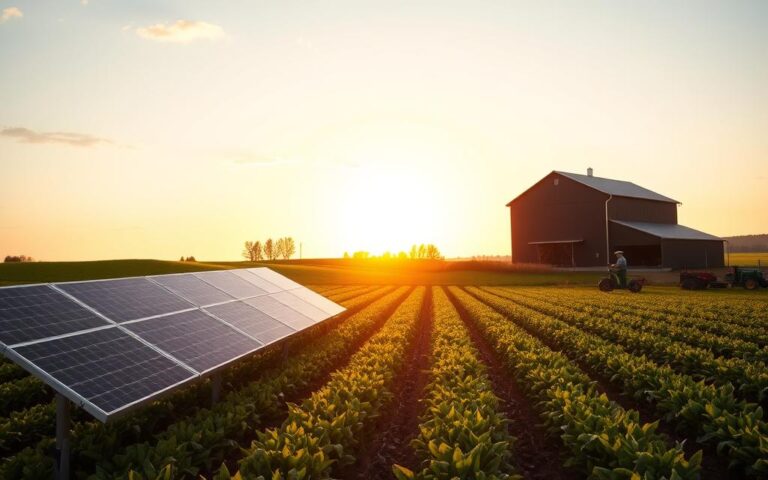

Farmers across the United States are experiencing a remarkable transformation, with 12.5% of agricultural operations now generating renewable energy on-site – a statistic that signals a profound shift in farming infrastructure. Solar and wind energy in farming are no longer futuristic concepts but practical solutions addressing critical challenges in modern agriculture.
The agricultural sector stands at a pivotal moment where renewable energy for farms represents more than an environmental choice – it’s an economic strategy. Sustainable farming energy solutions are enabling producers to reduce operational costs, enhance energy independence, and contribute to climate resilience.
From small family-owned plots to expansive commercial agricultural enterprises, farmers are discovering that integrating solar panels and wind turbines can significantly transform their energy landscape. These innovative systems not only generate clean electricity but also create additional revenue streams through energy production and potential grid contributions.
This comprehensive exploration will dive deep into how renewable energy technologies are revolutionizing agricultural practices, examining economic benefits, technological innovations, and practical implementation strategies that can help farmers optimize their energy infrastructure.
The Evolution of Renewable Energy in Modern Agriculture
Agricultural energy consumption has dramatically transformed over the past century, shifting from manual labor to sophisticated, energy-intensive systems. Clean energy agriculture represents a revolutionary approach to powering farms more sustainably and efficiently.
Farms have undergone significant technological transitions, moving from animal-powered operations to mechanized systems relying heavily on fossil fuels. This evolution has created complex agricultural energy efficiency challenges that modern farmers must now address.
Historical Context of Energy Use on Farms
The early 20th century saw dramatic changes in farm power generation. Agricultural machinery replaced manual labor, introducing diesel-powered tractors, electrical irrigation systems, and climate-controlled storage facilities. These innovations increased productivity but also dramatically elevated energy consumption.
- 1920s: Introduction of mechanical farm equipment
- 1950s: Widespread electrification of rural areas
- 1970s: Increased reliance on petroleum-based energy
- 2000s: Growing interest in renewable energy solutions
Why Farmers Are Turning to Clean Energy Solutions
Modern farmers face multiple challenges driving renewable energy adoption. Economic pressures, environmental concerns, and technological innovations are pushing agricultural operations toward more sustainable energy models.
| Motivation | Key Drivers |
|---|---|
| Economic | Volatile fuel prices, reduced operational costs |
| Environmental | Carbon footprint reduction, sustainability goals |
| Technological | Advanced renewable energy systems, improved efficiency |
Farm power generation is no longer just about productivity—it’s about creating resilient, sustainable agricultural systems that can adapt to changing economic and environmental landscapes.
Understanding Solar and Wind Energy in Farming
Renewable energy technologies are revolutionizing agricultural operations across the United States. Agricultural solar panels and farm wind turbines represent cutting-edge solutions for farmers seeking sustainable power generation. The integration of these technologies transforms traditional farming landscapes into dynamic energy production zones.
Agrivoltaics emerges as a groundbreaking approach to land use, combining energy production with agricultural activities. This innovative strategy allows farmers to maximize land productivity by generating electricity while continuing crop cultivation or livestock grazing.
- Solar panels can be strategically positioned to provide shade for crops
- Wind turbines can generate electricity in areas with consistent wind patterns
- Dual-purpose land use increases overall farm economic efficiency
Photovoltaic technology converts sunlight directly into electricity, with modern agricultural solar panels achieving unprecedented efficiency rates. Farm wind turbines capture kinetic energy from wind, transforming atmospheric movement into electrical power.
| Energy Technology | Power Generation Potential | Land Use Impact |
|---|---|---|
| Agricultural Solar Panels | 25-40% efficiency | Minimal ground disruption |
| Farm Wind Turbines | 30-45% efficiency | Small footprint |
Farmers considering renewable energy investments should evaluate their specific geographic conditions, energy requirements, and potential financial incentives. Understanding the synergy between solar and wind technologies can unlock significant economic and environmental benefits.
Benefits of Renewable Energy Integration for Agricultural Operations
Renewable energy is transforming agricultural operations by offering comprehensive advantages that extend far beyond traditional power sources. Farmers are discovering innovative ways to leverage clean energy technologies to improve their economic sustainability and environmental stewardship.
Economic Advantages and Cost Savings
Implementing renewable energy solutions provides substantial financial benefits for agricultural businesses. Farmers can achieve significant renewable energy cost savings through strategic solar and wind installations. Key economic advantages include:
- Reduced electricity expenses
- Potential income from excess energy sales
- Lower long-term operational costs
- Protection against utility rate fluctuations
Environmental Impact and Carbon Footprint Reduction
Renewable energy plays a crucial role in farming carbon footprint reduction. By transitioning to clean energy sources, agricultural operations can dramatically decrease their environmental impact. Sustainable energy systems help farmers minimize greenhouse gas emissions while contributing to broader climate change mitigation efforts.
Energy Independence and Grid Resilience
Farm energy independence becomes achievable through renewable energy integration. On-site power generation provides farmers with:
- Protection against electrical grid disruptions
- Enhanced operational reliability
- Greater control over energy production
- Reduced vulnerability to external energy market changes
By embracing renewable energy technologies, farmers can create more sustainable, resilient, and economically robust agricultural operations that benefit both their business and the environment.
Solar Power Systems for Farming Applications
Modern agricultural operations are increasingly embracing solar power farming systems as a sustainable energy solution. These innovative systems transform how farms generate and consume electricity, providing multiple benefits beyond traditional energy approaches.
Farmers can implement solar installation farms through several strategic approaches:
- Ground-mounted solar arrays on non-productive land
- Rooftop installations on existing agricultural structures
- Agrivoltaic systems combining energy production and crop cultivation
The key components of effective farm energy storage include high-capacity solar panels, advanced inverters, and battery backup systems. These technologies enable farms to:
- Reduce electricity costs
- Enhance energy independence
- Minimize carbon footprint
Specialized solar applications are revolutionizing agricultural operations. Solar-powered irrigation pumps can now operate in remote fields, while solar systems for livestock facilities provide consistent climate control and reliable energy management.
Successful implementation requires careful system sizing, matching solar capacity to specific farm energy consumption patterns. Farmers can design systems for partial energy offset or complete grid independence, depending on their unique operational needs.
Wind Energy Solutions Tailored for Agricultural Settings
Wind power agricultural operations are transforming the rural energy landscape, offering farmers innovative ways to generate clean electricity and reduce operational costs. Renewable energy has become a critical strategy for modern agricultural sustainability, with wind turbine placement emerging as a key solution for energy-independent farming.
Farmers are increasingly recognizing the potential of wind energy to create new revenue streams while supporting environmental conservation. The adaptability of wind technology makes it an attractive option for diverse agricultural settings.
Small-Scale Wind Turbines for Individual Farms
Wind turbine placement requires careful consideration of several critical factors:
- Site-specific wind resource assessment
- Tower height and energy production potential
- Local zoning regulations
- Electrical infrastructure compatibility
Farmers can choose from various turbine sizes, typically ranging from 10 kW to 100 kW systems. The right turbine depends on specific farm energy needs and local wind conditions.
Community Wind Projects in Rural Areas
Community solar farming approaches are expanding wind energy opportunities for rural communities. These collaborative projects allow multiple landowners to invest in larger wind infrastructure, distributing both costs and benefits.
| Project Type | Typical Capacity | Benefits |
|---|---|---|
| Individual Farm Turbine | 10-50 kW | Direct farm power supply |
| Community Wind Project | 500 kW-2 MW | Shared investment, higher returns |
“Wind energy represents a sustainable path forward for agricultural communities, offering both environmental and economic advantages.” – Renewable Energy Expert
By embracing wind power, farmers can create additional income streams, reduce energy costs, and contribute to a more sustainable agricultural ecosystem.
Hybrid Renewable Energy Systems: Combining Solar and Wind
Farmers are discovering powerful solutions through hybrid renewable systems that combine solar and wind energy. This innovative approach maximizes agricultural grid integration by leveraging the unique strengths of different renewable energy sources.
The solar-wind combination offers remarkable benefits for modern farming operations. By integrating multiple renewable technologies, farmers can create more stable and consistent energy production throughout the year.
- Solar panels generate maximum power during bright summer days
- Wind turbines produce electricity during nighttime and winter months
- Complementary energy generation reduces dependency on traditional grid power
Technical components make these hybrid systems incredibly efficient. Smart controllers optimize energy selection based on real-time conditions, while advanced inverters manage inputs from both solar panels and wind turbines.
Key advantages of hybrid renewable systems include:
- Enhanced energy reliability
- Reduced operational costs
- Improved agricultural grid integration
- Lower carbon footprint
Farms implementing these systems can expect more predictable energy production, better matching their unique consumption patterns across different seasons.
“Hybrid renewable systems represent the future of sustainable agricultural energy solutions.”
Planning and Site Assessment for Renewable Energy Installation
Successful renewable energy integration starts with comprehensive farm energy assessment and strategic planning. Farmers looking to maximize their renewable energy ROI must carefully evaluate their current energy consumption and site-specific characteristics before making significant investments.
Farm energy planning requires a systematic approach that considers multiple critical factors. The process involves several key steps to ensure optimal renewable energy implementation:
- Analyze historical energy consumption patterns
- Identify peak demand periods
- Evaluate seasonal energy variations
- Inventory major energy-consuming equipment
Evaluating Your Farm’s Energy Needs
A thorough farm energy assessment begins with understanding your current energy landscape. Farmers should:
- Review utility bills from the past 12-24 months
- Calculate total annual energy consumption
- Identify opportunities for energy efficiency improvements
- Project future energy requirements based on operational plans
Geographic and Climate Considerations
Location plays a crucial role in renewable energy planning. Site-specific assessments help determine the most effective renewable energy strategies:
| Assessment Factor | Evaluation Method |
|---|---|
| Solar Potential | NREL PVWatts Calculator |
| Wind Resource | Anemometer Data Analysis |
| Installation Site | Terrain and Shading Evaluation |
Professional feasibility studies can provide critical insights into renewable energy ROI, helping farmers make informed investment decisions that align with their unique agricultural operations.
Financial Incentives and Funding Opportunities for Farm Energy Projects
Farmers exploring renewable energy solutions have access to numerous financial incentives that make sustainable energy investments more affordable. USDA energy grants provide critical support for rural renewable energy projects, helping agricultural operations transition to cleaner power sources.
The USDA Rural Energy for America Program (REAP) offers substantial financial assistance for farmers interested in renewable energy. Key funding opportunities include:
- Grants covering up to 25% of project costs
- Loan guarantees for renewable energy systems
- Competitive funding for solar and wind installations
Federal tax incentives play a crucial role in making renewable energy more economically attractive. Farmers can benefit from:
- Investment Tax Credit (ITC) for solar installations
- Production Tax Credits (PTC) for wind energy generation
- Modified Accelerated Cost Recovery System (MACRS) depreciation
State-level renewable energy incentives vary widely, offering additional financial support through:
- Rebate programs
- Property tax exemptions
- Sales tax reductions on renewable energy equipment
Innovative financing options further reduce financial barriers for farmers. Power purchase agreements (PPAs) and specialized agricultural lenders provide flexible solutions for implementing renewable energy systems. These approaches minimize upfront costs while enabling farms to leverage cutting-edge sustainable energy technologies.
Implementation Challenges and Practical Solutions
Transitioning to renewable energy in agricultural settings requires careful navigation of complex challenges. Farmers pursuing energy-efficient agriculture must understand the intricate landscape of regulatory requirements and technical considerations.
Implementing smart farming energy solutions involves addressing multiple potential obstacles that can impact agricultural sustainability.
Navigating Zoning Regulations and Permits
Renewable energy installations face unique regulatory challenges. Farmers must carefully approach local zoning requirements with strategic planning.
- Research local municipal codes specific to renewable energy systems
- Consult with county planning departments before installation
- Prepare comprehensive documentation for permit applications
- Understand height restrictions for wind turbines
- Evaluate setback requirements for solar and wind systems
Maintenance and Technical Support Considerations
Sustainable energy systems require consistent monitoring and professional maintenance to ensure optimal performance.
| Energy System | Maintenance Frequency | Key Maintenance Tasks |
|---|---|---|
| Solar Panels | Bi-Annual | Panel cleaning, inverter checks |
| Wind Turbines | Annual | Mechanical inspections, lubrication |
Farmers can leverage emerging technologies like remote monitoring systems to track energy production and detect potential issues quickly. Developing relationships with local renewable energy technicians provides critical technical support for long-term system reliability.
Real-World Case Studies of Successful Energy Integration
Renewable energy for farms has transformed agricultural operations across the United States, demonstrating remarkable adaptability and innovation. These real-world case studies showcase how solar and wind energy in farming can revolutionize agricultural sustainability and economic performance.
The Hartley Ranch in Texas represents a breakthrough in clean energy agriculture. This 2,500-acre cattle operation implemented a comprehensive wind energy system that generates 500 kW of power. The ranch now produces more electricity than it consumes, selling excess energy back to the local grid while maintaining full livestock operations.
- Location: Central Texas
- Energy System: Wind Turbines
- Annual Energy Production: 750,000 kWh
- Financial Impact: $85,000 annual energy revenue
In California’s Central Valley, Greenfield Organic Farms pioneered an innovative agrivoltaic approach. Their solar installation provides dual benefits: generating clean electricity while creating strategic crop shading for heat-sensitive vegetables.
“Renewable energy isn’t just about power generation—it’s about creating a sustainable agricultural ecosystem,” says Maria Rodriguez, farm owner.
Another inspiring example comes from the Green Pastures Dairy in Vermont. Their hybrid solar-wind system achieved complete energy independence, eliminating utility costs and reducing carbon emissions by 90%.
| Farm Type | Renewable Technology | Energy Independence |
|---|---|---|
| Cattle Ranch | Wind Turbines | 85% |
| Organic Farm | Solar Panels | 75% |
| Dairy Farm | Hybrid Solar-Wind | 100% |
These case studies prove that renewable energy integration is not just possible but increasingly practical for agricultural operations of all sizes and types.
Future Trends in Agricultural Renewable Energy Technology
The agricultural sector stands on the brink of a transformative energy revolution. Smart farming energy is rapidly evolving, promising unprecedented opportunities for sustainable power generation and management across rural landscapes.
Emerging technologies are reshaping how farms approach energy production and consumption. Solar and wind systems are becoming more sophisticated, offering farmers innovative solutions for agricultural grid integration.
Cutting-Edge Solar and Wind Innovations
- Bifacial solar panels capturing sunlight from multiple angles
- Building-integrated photovoltaic systems designed for agricultural structures
- Advanced solar tracking mechanisms maximizing energy production
- Quieter wind turbine designs minimizing noise disruptions
Advanced Energy Storage Solutions
Farm energy storage technologies are developing rapidly, enabling unprecedented power management capabilities. Next-generation battery systems are making renewable energy more reliable and economically attractive.
| Storage Technology | Key Advantages | Potential Agricultural Applications |
|---|---|---|
| Lithium-Ion Batteries | High energy density | Short-term power backup |
| Flow Batteries | Long-duration storage | Seasonal energy management |
| Solid-State Batteries | Enhanced safety | Reliable grid independence |
Artificial intelligence and machine learning are set to revolutionize agricultural energy systems, enabling predictive management and optimized renewable energy utilization.
Conclusion
The integration of solar and wind energy in farming represents a pivotal moment for agricultural sustainability. American farmers stand at the crossroads of technological innovation and environmental stewardship, with renewable energy solutions offering unprecedented opportunities to reshape their operational strategies.
Agricultural sustainability is no longer a distant goal but an immediate, actionable strategy. Solar and wind energy systems provide farmers with robust tools to reduce operational costs, minimize carbon footprints, and create more resilient farming enterprises. The economic benefits extend beyond immediate energy savings, positioning farms as critical contributors to clean energy infrastructure.
Successful renewable energy implementation requires strategic planning, careful site assessment, and a commitment to long-term agricultural innovation. Farmers willing to explore these technologies will discover multiple pathways to enhanced profitability, energy independence, and environmental responsibility. The future of sustainable farming energy is bright, offering a compelling vision of agricultural productivity aligned with ecological preservation.
As the renewable energy landscape continues to evolve, farmers have an extraordinary opportunity to become pioneers in a more sustainable agricultural ecosystem. By embracing solar and wind energy technologies, they can transform their operations, support national climate goals, and secure a more prosperous future for generations of agricultural professionals.
FAQ
What are the primary renewable energy technologies used in farming?
The primary renewable energy technologies for farming are solar photovoltaic systems and wind turbines. Solar panels can be ground-mounted, roof-installed, or integrated into agrivoltaic systems, while wind turbines range from small individual farm installations to larger community wind projects.
How much does a typical farm renewable energy system cost?
Costs vary widely depending on farm size and energy needs. A small solar installation might start around $30,000, while larger systems can range from $100,000 to $500,000. However, federal tax credits, USDA grants, and state incentives can significantly reduce initial investment costs.
Can renewable energy completely power my farm?
Many farms can achieve near-complete energy independence through hybrid solar and wind systems, especially when combined with battery storage. The feasibility depends on your specific energy consumption, local renewable resources, and system design.
What financial incentives are available for farm renewable energy projects?
Key incentives include the USDA Rural Energy for America Program (REAP), federal Investment Tax Credit (ITC), Production Tax Credits (PTC), accelerated depreciation, and various state-level rebates and tax exemptions.
How do solar panels impact agricultural land use?
Modern agrivoltaic systems allow simultaneous energy production and agriculture. Panels can be elevated to allow crop growth underneath or positioned on non-productive land, creating a dual-use approach that maximizes land efficiency.
What maintenance do renewable energy systems require?
Solar systems typically need minimal maintenance, including occasional panel cleaning and inverter checks. Wind turbines require more frequent inspections, including lubricating moving parts and monitoring mechanical components annually.
How long do renewable energy systems last on farms?
Most solar panels have a 25-30 year warranty and can continue producing energy beyond that. Wind turbines typically last 20-25 years with proper maintenance. The long lifespan makes these investments financially attractive for agricultural operations.
Can smaller farms benefit from renewable energy?
Absolutely. Renewable energy solutions are scalable, with options available for farms of all sizes. Small farms can start with modest installations and expand over time, taking advantage of federal and state incentives to manage costs.
How do renewable energy systems perform during power outages?
With battery storage, renewable energy systems can provide critical backup power during grid outages, which is especially crucial for farms with temperature-sensitive operations like livestock facilities or cold storage.
What are the environmental benefits of farm renewable energy?
Renewable energy systems significantly reduce greenhouse gas emissions, decrease fossil fuel dependence, and contribute to climate change mitigation. They can help farms achieve sustainability certifications and appeal to environmentally conscious consumers.