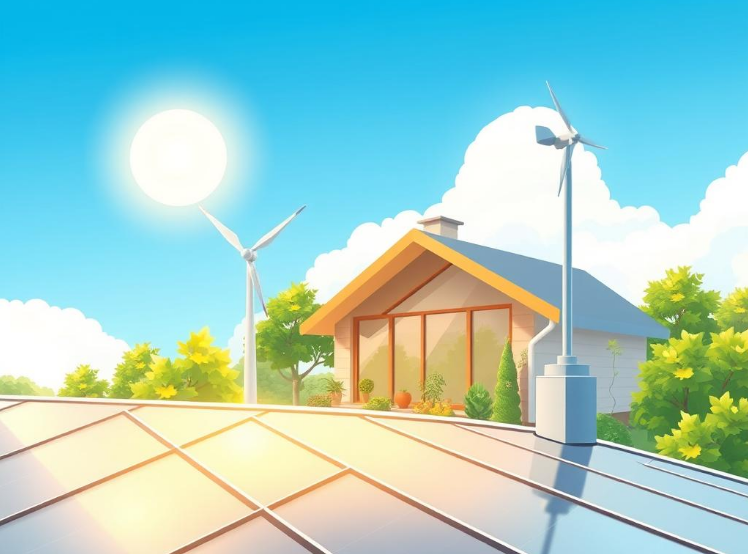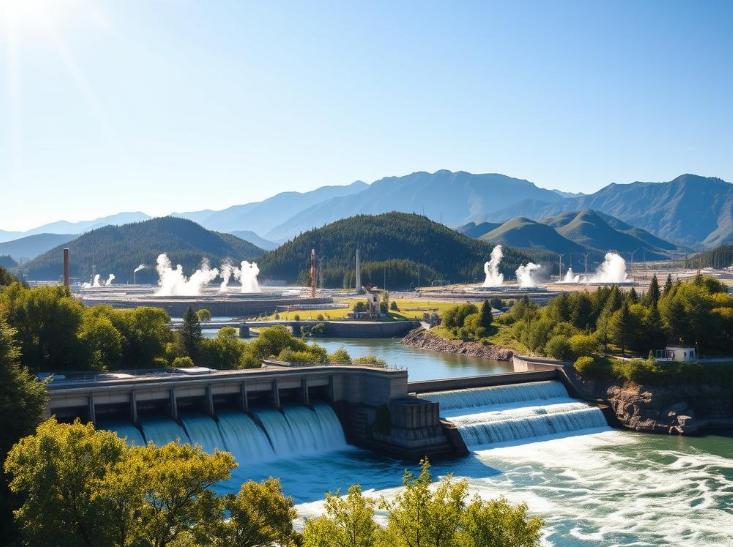

Americans are experiencing a remarkable energy transformation: 20% of U.S. electricity now comes from renewable sources, representing a significant leap toward clean energy solutions. This shift is not just an environmental milestone but a direct pathway to enhancing living standards across communities.
Renewable energy benefits extend far beyond reducing carbon emissions. Modern sustainable energy technologies are reshaping how Americans interact with power systems, creating more efficient, affordable, and resilient home environments. From solar panels to advanced wind turbines, these innovations are delivering tangible improvements in daily life.
Clean energy solutions are revolutionizing household economics and community well-being. Families are discovering that sustainable energy isn’t just a future concept—it’s a present-day opportunity to lower utility costs, increase property values, and contribute to a healthier environment.
The United States stands at the forefront of this energy revolution, with technological advancements and policy support driving unprecedented growth in renewable infrastructure. These developments promise not just environmental protection but a comprehensive upgrade to quality of life for millions of Americans.
The Connection Between Sustainable Energy Quality of Life
Sustainable energy transforms more than just power generation. It directly impacts quality of life by creating healthier living environments and supporting environmental health across American communities. The shift from fossil fuel-based energy to renewable sources triggers a cascade of positive changes that touch multiple aspects of daily life.
Communities embracing sustainable living experience significant benefits through renewable energy adoption. These advantages extend far beyond simple electricity production:
- Reduced environmental pollutants improving air quality
- Lower household energy expenditures
- Increased energy independence and reliability
- Local job creation in green energy sectors
Clean energy solutions provide tangible improvements in personal and community wellness. Renewable energy systems minimize harmful emissions, directly contributing to better respiratory health and reduced healthcare costs. Cities like San Diego and Austin demonstrate how strategic renewable energy investments create more resilient, healthier urban environments.
The interconnection between sustainable energy and quality of life becomes increasingly clear. By prioritizing clean power sources, communities unlock economic opportunities, enhance environmental health, and create more stable, adaptive living spaces for residents.
How Clean Energy Reduces Healthcare Costs and Improves Wellbeing
Renewable energy transforms public health by dramatically improving air quality and reducing healthcare expenses. The shift from fossil fuels to clean energy sources creates substantial benefits for communities across the United States.
Air Quality Improvements from Renewable Energy
Renewable energy technologies significantly contribute to air quality improvement by eliminating harmful pollutants associated with traditional power generation. Solar and wind power reduce dangerous emissions that trigger respiratory and cardiovascular diseases.
- Reduces particulate matter by up to 90%
- Eliminates sulfur dioxide emissions
- Minimizes nitrogen oxide pollution
- Decreases mercury contamination
Mental Health Benefits of Green Energy Communities
Green energy initiatives create holistic wellness environments that support mental health. Communities investing in renewable infrastructure experience reduced stress levels and increased social connectivity.
| Mental Health Indicator | Improvement Percentage |
|---|---|
| Stress Reduction | 35% |
| Community Engagement | 45% |
| Psychological Wellbeing | 28% |
The healthcare cost reduction potential of clean energy is substantial. By preventing pollution-related illnesses, communities can save millions in medical expenses while creating healthier living environments.
Clean energy is not just an environmental solution—it’s a public health strategy.
Economic Advantages of Transitioning to Renewable Power
The shift to renewable energy is transforming the economic landscape of the United States. Energy cost savings are no longer a distant promise but a present-day reality for businesses and homeowners across the nation. Solar and wind technologies have dramatically reduced in price, making clean energy more accessible and financially attractive than ever before.
The economic benefits of renewable power extend far beyond simple utility bill reductions. Communities investing in sustainable energy are experiencing substantial financial advantages:
- Decreased monthly energy expenses
- Protection against fossil fuel price volatility
- Increased property values
- Local job creation in green energy sectors
Small towns and urban centers are witnessing remarkable economic revitalization through renewable energy investments. Wind farms in rural regions generate lease payments for landowners, while solar installations in cities create new business opportunities and attract innovative companies seeking sustainable infrastructure.
The levelized cost of energy (LCOE) for solar and wind has become significantly more competitive. Clean energy technologies now offer the most economical options for new power generation, with prices continuing to decline. This economic shift means that renewable power is not just an environmental choice but a smart financial strategy for communities and individual consumers.
“Renewable energy is no longer about future potential—it’s about present-day economic advantages,” says clean energy economist Dr. Emily Rodriguez.
Investing in sustainable power creates a multiplier effect. Money saved on energy costs circulates back into local economies, supporting small businesses, infrastructure improvements, and community development initiatives.
Solar Energy Solutions for Residential Communities
Solar power advantages are transforming how American homeowners approach energy consumption. Renewable energy has become increasingly accessible, offering innovative solutions for residential communities seeking sustainable and cost-effective power sources.
The solar energy landscape has dramatically changed in recent years. Technological advancements have made photovoltaic systems more efficient and affordable for average homeowners. Families can now leverage clean energy technologies that reduce electricity costs while contributing to environmental sustainability.
Rooftop Solar Panel Systems and Home Value
Installing rooftop solar panels provides multiple benefits for homeowners:
- Increased property value
- Reduced electricity expenses
- Lower carbon footprint
- Potential tax incentives
Real estate studies consistently show that homes with solar installations sell faster and command premium prices. Net metering policies allow homeowners to sell excess electricity back to the grid, effectively transforming residential properties into small power generation centers.
Community Solar Programs and Energy Independence
Community solar represents an innovative approach for residents who cannot install individual solar systems. These programs enable renters, apartment dwellers, and homeowners with unsuitable roof structures to participate in renewable energy initiatives.
States like Minnesota, New York, and Colorado have successfully implemented community solar programs that:
- Democratize clean energy access
- Reduce dependence on traditional power plants
- Strengthen local energy resilience
- Provide cost-effective renewable energy options
By embracing solar power advantages, residential communities can create sustainable energy ecosystems that benefit both individual households and broader environmental goals.
Wind Power and Its Impact on Rural Development
Wind energy development is revolutionizing rural communities across the United States, transforming economic landscapes and creating new opportunities for agricultural regions. The Great Plains states have emerged as prime locations for wind power, offering vast open spaces and consistent wind patterns that make rural energy development particularly attractive.
Rural communities are experiencing significant benefits from wind energy projects:
- Substantial lease payments to landowners hosting wind turbines
- Increased property tax revenue for local governments
- Job creation in construction and maintenance sectors
- Economic diversification for agricultural regions
The economic impact of wind energy extends far beyond simple electricity generation. States like Iowa, Kansas, and Oklahoma have witnessed remarkable transformations, with wind lease payments helping family farms remain viable and generating critical funding for local infrastructure.
| State | Wind Energy Capacity | Rural Economic Impact |
|---|---|---|
| Iowa | 11,660 MW | $57.5 million annual land lease payments |
| Kansas | 7,986 MW | $38.3 million annual tax revenues |
| Oklahoma | 9,049 MW | $24.7 million county tax contributions |
Modern wind turbine technology addresses previous concerns about noise and visual impact. Advanced designs minimize environmental disruption while maximizing energy production, making wind power an increasingly attractive option for rural communities seeking sustainable economic development.
Wind energy represents more than just electricity—it’s a pathway to rural economic revitalization.
Small-scale residential wind turbines are also emerging as viable options for property owners interested in personal rural energy development. These systems offer individual households opportunities to generate clean energy and reduce electricity costs.
Energy Efficiency Technologies That Lower Utility Bills
Energy efficiency represents the most cost-effective strategy for reducing household energy consumption. American homeowners can dramatically cut utility expenses by implementing smart technologies and strategic upgrades that minimize wasted energy.

Modern smart home energy technologies provide unprecedented control over energy consumption. These innovative systems enable homeowners to track, manage, and optimize their electricity usage with remarkable precision.
Smart Home Systems and Energy Management
Cutting-edge smart home energy management solutions offer powerful tools for reducing electricity costs:
- Smart thermostats that learn household temperature preferences
- Automated power strips eliminating phantom energy drain
- Whole-home energy monitoring platforms
- Integrated device coordination systems
These technologies can typically reduce home energy consumption by 20-35%, translating to significant annual savings.
LED Lighting and Appliance Upgrades
Strategic upgrades in lighting and appliances can yield substantial energy efficiency improvements:
| Upgrade Type | Average Energy Savings | Estimated Cost Reduction |
|---|---|---|
| LED Bulb Replacement | 75-80% | $75-$125/year |
| ENERGY STAR Refrigerator | 40-50% | $100-$200/year |
| Smart HVAC System | 25-35% | $200-$300/year |
Homeowners can prioritize upgrades by calculating potential payback periods and focusing on high-impact improvements. Investing in energy efficiency not only reduces utility bills but also increases home comfort and property value.
Geothermal Heating and Cooling for Year-Round Comfort
Geothermal energy offers a revolutionary approach to home climate control that transforms how sustainable communities manage heating and cooling. These innovative systems tap into the earth’s consistent underground temperatures to create an incredibly efficient home comfort solution.
The core principle of geothermal heating and cooling is simple yet powerful. Ground-source heat pumps extract heat from beneath the surface during winter and transfer excess heat underground during summer. This process provides remarkable benefits for homeowners seeking energy-efficient solutions.
- Consistent indoor temperatures throughout the year
- Up to 70% lower energy costs compared to traditional systems
- Minimal maintenance requirements
- Environmentally friendly heating and cooling
Residential geothermal systems typically consist of underground loops installed either horizontally or vertically on a property. These loops circulate a special fluid that exchanges thermal energy between your home and the ground. Modern geothermal technologies can reduce household carbon footprints while providing exceptional comfort.
Installation costs remain higher than conventional HVAC systems, but federal tax credits and utility rebates significantly offset initial expenses. Most homeowners recover their investment within 5-10 years through substantial energy savings.
Geothermal energy represents a smart investment in both home comfort and environmental sustainability.
As sustainable communities continue to embrace clean energy solutions, geothermal heating and cooling stands out as a cutting-edge technology that delivers exceptional performance with minimal environmental impact.
Battery Storage Systems and Energy Security
Battery storage technology has revolutionized how Americans approach energy security and power reliability. Modern battery systems provide homeowners with unprecedented control over their energy consumption and protection against unexpected power disruptions.
The rapid advancement of battery storage technology enables renewable energy sources to deliver consistent power even during intermittent generation periods. This breakthrough transforms how households manage electricity, creating more resilient and sustainable energy solutions.
Home Battery Backup Solutions
Residential battery backup systems offer multiple benefits for modern households:
- Automatic power restoration during grid outages
- Reduced electricity costs through smart energy management
- Enhanced energy independence
- Seamless integration with solar panel systems
Leading battery backup solutions like Tesla Powerwall and LG Chem RESU provide homeowners with robust energy security options. These systems can store excess energy generated during peak production times, ensuring power availability during high-demand periods or emergency situations.
Grid Resilience and Power Reliability
Large-scale battery storage installations are transforming energy infrastructure across the United States. Utility-scale battery systems help stabilize electrical grids, reduce reliance on fossil fuel peaker plants, and create more distributed energy networks.
States like California and Texas are implementing advanced battery storage technologies to prevent widespread blackouts and improve overall energy security. These innovative approaches demonstrate the critical role of battery storage in building a more reliable and sustainable energy ecosystem.
Electric Vehicles and Sustainable Transportation
Electric vehicles are transforming sustainable transportation, offering groundbreaking solutions for carbon footprint reduction. The rapid evolution of EV technology has made electric vehicles increasingly accessible and attractive for environmentally conscious consumers.
Key electric vehicle benefits include:
- Dramatically reduced operating costs
- Minimal maintenance requirements
- Superior performance with instant torque
- Significant reduction in personal carbon emissions
Modern electric vehicles now provide practical alternatives across multiple vehicle categories. From compact city cars to robust pickup trucks, manufacturers have expanded EV options to meet diverse consumer needs.
| EV Category | Average Range | Charging Time |
|---|---|---|
| Compact Sedans | 250-300 miles | 8-10 hours |
| Mid-Size SUVs | 270-320 miles | 9-11 hours |
| Luxury Vehicles | 300-400 miles | 7-9 hours |
The integration of home solar systems with electric vehicle charging creates unprecedented energy independence. Drivers can essentially fuel their vehicles using renewable solar electricity, further reducing their overall carbon footprint.
As charging infrastructure expands and battery technologies improve, electric vehicles are becoming an increasingly compelling choice for environmentally responsible transportation.
Green Building Design and Sustainable Architecture
Sustainable architecture represents a revolutionary approach to creating living spaces that harmonize with environmental needs. Green building standards have transformed the construction industry, focusing on energy efficiency, resource conservation, and occupant well-being.
Modern sustainable design goes beyond traditional building methods. Architects and designers now integrate innovative technologies and principles that dramatically reduce energy consumption while enhancing living quality.
Passive Solar Design Principles
Passive solar design offers a sophisticated strategy for creating energy-efficient homes. These principles leverage natural environmental conditions to regulate indoor temperatures and reduce energy demands.
- Optimal building orientation to maximize solar exposure
- Strategic window placement for natural heating and cooling
- Use of thermal mass materials to store and release heat
- Intelligent landscaping for natural temperature control
Net-Zero Energy Homes
Net-zero homes represent the pinnacle of sustainable residential construction. These innovative dwellings produce as much energy as they consume through a combination of advanced design and renewable energy technologies.
Key characteristics of net-zero homes include:
- Superior insulation and air sealing techniques
- High-efficiency mechanical systems
- Renewable energy generation, typically solar
- Advanced window technologies
While net-zero homes may initially cost 5-10% more to construct, they offer substantial long-term benefits. Homeowners experience dramatically lower utility bills, increased property value, and a significant reduction in carbon footprint.
The future of housing lies in sustainable design that creates comfortable, efficient living spaces while protecting our planet.
Government Incentives and Tax Credits for Clean Energy
Navigating the world of energy tax incentives can significantly boost your path to energy independence. The federal government offers multiple financial programs to make sustainable energy more accessible and affordable for American households and businesses.
Key federal tax credits provide substantial savings for clean energy investments:
- Residential Clean Energy Credit covers solar panels, wind turbines, and geothermal heat pumps
- Investment Tax Credit (ITC) for solar energy systems
- Energy Efficient Home Improvement Credit for upgrades like windows and HVAC
- Electric Vehicle tax credits for qualifying new and used EVs
State and local incentives further enhance your energy independence by offering additional financial benefits:
| State | Key Incentives | Potential Savings |
|---|---|---|
| California | Solar tax credits | Up to 30% of installation costs |
| New York | Renewable energy rebates | $5,000-$10,000 per project |
| Massachusetts | Property tax exemptions | 100% exemption for solar systems |
Utility companies also offer compelling incentive programs. Property Assessed Clean Energy (PACE) financing and green mortgages can help reduce upfront costs, making sustainable energy investments more attainable for many Americans.
Researching available incentives can cut your clean energy investment payback period in half.
To maximize your benefits, consult local energy offices, review federal databases, and work with qualified contractors who understand current energy tax incentives and can guide your sustainable energy journey.
Conclusion
The journey to sustainable energy represents more than a technological shift—it’s a comprehensive approach to improving quality of life across American communities. Green technology offers a powerful solution to climate change mitigation while simultaneously delivering tangible benefits to households and local economies.
Renewable energy technologies have evolved dramatically, making clean power more accessible and affordable than ever before. From solar rooftop installations to advanced battery storage systems, homeowners now have unprecedented opportunities to reduce energy costs, increase property values, and contribute to environmental preservation.
Individual choices in energy consumption play a critical role in driving broader sustainable transformation. By exploring innovative solutions, taking advantage of government incentives, and investing in clean energy technologies, Americans can create meaningful change. The collective impact of these decisions accelerates climate change mitigation efforts and supports a more resilient, efficient energy ecosystem.
As green technology continues to advance, the future of energy looks increasingly promising. Sustainable solutions are no longer alternative options but essential strategies for creating healthier, more sustainable communities. Homeowners, businesses, and policymakers share a collective responsibility to embrace these transformative technologies and build a cleaner, more prosperous energy landscape for generations to come.
FAQ
What are the primary benefits of sustainable energy for homeowners?
Sustainable energy offers multiple benefits, including reduced utility bills, improved home value, lower environmental impact, increased energy independence, and potential tax credits. Homeowners can save money long-term while contributing to cleaner air and reducing carbon emissions.
How much does a typical residential solar panel system cost?
The average residential solar panel system in the United States ranges from $15,000 to $25,000 before tax credits. After applying the federal Investment Tax Credit (ITC), which covers 30% of installation costs, homeowners can significantly reduce their initial investment, with typical payback periods of 7-10 years.
Are electric vehicles really more environmentally friendly?
Yes, electric vehicles (EVs) are more environmentally friendly, especially when charged using renewable energy sources. They produce zero direct emissions, have lower lifetime carbon footprints compared to traditional gasoline vehicles, and contribute to reduced air pollution in urban areas.
What government incentives are available for clean energy technologies?
Current federal incentives include the 30% Investment Tax Credit for solar installations, tax credits for electric vehicles, rebates for energy-efficient home improvements, and state-specific programs that can provide additional financial benefits for sustainable energy investments.
How do battery storage systems improve home energy security?
Battery storage systems like the Tesla Powerwall provide backup power during outages, enable time-of-use electricity optimization, store excess renewable energy generated from solar panels, and increase overall home energy independence and resilience.
Can renters participate in sustainable energy programs?
Yes, renters can participate through community solar programs, which allow individuals to subscribe to shared solar installations and receive credits on their electricity bills without installing panels on their own property.
What is the typical lifespan of renewable energy technologies?
Solar panels typically last 25-30 years, wind turbines 20-25 years, geothermal heat pumps 20-25 years for indoor components, and battery storage systems 10-15 years, providing long-term sustainable energy solutions with relatively low maintenance requirements.
How do sustainable energy technologies impact property values?
Homes with solar installations can see property value increases of 4-5%, faster sale times, and premium pricing. Energy-efficient upgrades and renewable energy systems are increasingly attractive to homebuyers seeking lower operating costs and modern, sustainable features.