
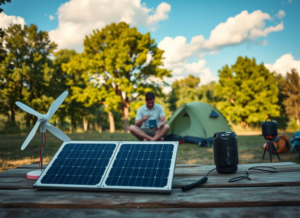
Did you know that over 75% of outdoor enthusiasts struggle with power access during remote adventures? Portable DIY renewable energy systems have revolutionized how campers, travelers, and emergency preparedness experts approach off-grid power challenges.
Crafting your own off-grid power systems isn’t just a technical hobby—it’s a practical solution for staying connected and powered up in unpredictable environments. A DIY solar generator can transform your outdoor experiences by providing reliable electricity wherever traditional power sources are unavailable.
Modern portable DIY renewable energy technologies enable adventurers and emergency planners to create custom power solutions with minimal technical expertise. Whether you’re planning a weekend camping trip or preparing for potential power outages, understanding how to build your own renewable energy systems can be a game-changing skill.
This guide will walk you through creating versatile, compact power stations using solar, wind, and micro-hydro technologies. You’ll learn how to select components, assemble your system, and ensure reliable energy generation in virtually any outdoor setting.
From RV expeditions to emergency backup plans, portable DIY renewable energy solutions offer unprecedented flexibility and independence. Get ready to unlock the potential of self-generated power and take control of your energy needs.
Understanding the Benefits of Off-Grid Power Solutions
Outdoor enthusiasts and emergency preparedness experts are increasingly turning to innovative camping power solutions that offer unprecedented freedom and reliability. Off-grid camping has transformed from a challenging experience to a seamless adventure with modern renewable energy technologies.
Portable power systems have revolutionized how adventurers approach emergency backup power and wilderness exploration. These advanced solutions provide campers with unprecedented energy independence, eliminating traditional constraints of portable power generation.
Energy Independence in Remote Locations
Modern renewable energy systems unlock extraordinary possibilities for outdoor enthusiasts. Key advantages of off-grid camping power solutions include:
- Complete electrical autonomy in wilderness areas
- Ability to generate power from natural resources
- Reduced dependence on fuel supply chains
- Extended camping duration without external power sources
Cost Savings Compared to Traditional Generators
DIY renewable energy systems offer significant economic benefits compared to conventional generators. The initial investment quickly pays for itself through reduced fuel costs and minimal maintenance requirements.
Potential savings breakdown for camping power solutions:
- Lower long-term operational expenses
- Minimal fuel consumption
- Reduced maintenance costs
- Longer equipment lifespan
Environmental Impact and Sustainability
Renewable energy systems for camping represent a green revolution in outdoor power generation. By choosing sustainable emergency backup power solutions, adventurers can dramatically reduce their carbon footprint while enjoying uninterrupted electrical support during wilderness expeditions.
The environmental benefits include zero emissions, significantly reduced noise pollution, and a commitment to preserving natural landscapes for future generations of outdoor enthusiasts.
Essential Components for Building Your Own Power System
Creating a homemade power station requires understanding the key components that make renewable energy systems work efficiently. Designing your own renewable energy kits starts with selecting the right parts that work together seamlessly.
The core of any portable power system includes several critical elements:
- Energy Generation Components
- Energy Storage Solutions
- Power Conversion Devices
- Electrical Connection Hardware
For renewable energy storage, you’ll need to focus on selecting high-quality batteries and battery management systems. Lithium-ion and deep-cycle batteries are popular choices for portable power stations due to their reliability and performance.
| Component | Function | Recommended Voltage |
|---|---|---|
| Solar Panels | Energy Generation | 12V-24V |
| Charge Controller | Battery Protection | 12V-48V |
| Power Inverter | DC to AC Conversion | 1000W-2000W |
Essential tools for building your DIY renewable energy system include:
- Multimeter
- Wire strippers
- Crimping tool
- Safety glasses
- Insulated gloves
When assembling your homemade power station, pay close attention to component compatibility. Matching voltage, current capacity, and understanding potential efficiency losses are crucial for creating a reliable renewable energy kit.
Solar Panel Projects for Outdoor Adventures
Outdoor enthusiasts and emergency preparedness experts are discovering the power of portable solar solutions for camping and remote expeditions. Solar panel camping has revolutionized how adventurers manage their power needs in wilderness settings.
Selecting the right solar technology can transform your outdoor experience. Modern portable power supply options offer incredible flexibility for campers and travelers who need reliable energy sources.
Selecting the Optimal Solar Cells for Outdoor Use
When choosing foldable solar panels, consider these critical factors:
- Efficiency ratings of different solar cell technologies
- Weight and portability requirements
- Durability in outdoor environments
- Power output capabilities
Constructing Your Own Portable Solar Charging Station
Creating a DIY solar charging station requires careful planning and specific components. The key is designing a system that balances power generation with practical mobility.
- Select high-efficiency solar panels (50-200 watts)
- Design a lightweight, hinged frame
- Install weatherproof charge controllers
- Add multiple connection ports
Successful solar panel camping setups integrate smart design with robust technology. Invest in quality components that can withstand varied outdoor conditions to ensure reliable performance during your adventures.
Wind Energy Solutions for Camping Sites
Unlocking sustainable energy projects for outdoor enthusiasts starts with understanding portable wind turbine technology. DIY energy independence becomes achievable when campers learn to harness wind power in remote locations.
Wind energy offers unique advantages for camping sites, especially in areas with consistent wind patterns. Portable wind turbines can generate electricity where solar panels might struggle, providing a versatile power solution for adventurers.
- Ideal for coastal areas and open plains
- Generates 50-400 watts depending on wind conditions
- Complements solar energy systems
Crafting a DIY wind turbine requires understanding key components:
| Component | Function | Recommended Material |
|---|---|---|
| Blades | Energy capture | PVC pipe or lightweight composites |
| Generator | Electricity conversion | Permanent magnet alternator |
| Mounting | Stability and positioning | Telescoping pole or tripod base |
Successful portable wind turbine projects demand careful consideration of wind speed, blade design, and safe mounting techniques. Campers can create reliable power systems by integrating wind generators with charge controllers designed for variable wind conditions.
Wind power transforms outdoor adventures by providing sustainable, independent energy solutions.
Adventurers seeking DIY energy independence will find wind turbines an exciting and practical approach to generating power in remote environments.
Portable DIY Renewable Energy Storage Options
Creating a reliable camping electrical system requires careful planning for energy storage. Portable battery banks are the critical link between power generation and usable electricity for outdoor enthusiasts and emergency preparedness.

Energy storage solutions transform renewable power generation into a practical reality for campers and off-grid adventurers. Understanding the right configuration and safety measures can make your DIY power system both efficient and dependable.
Battery Bank Configuration and Safety
Selecting the right portable battery bank involves several key considerations:
- Battery technology comparison
- Capacity requirements
- Electrical system compatibility
- Weight and portability
| Battery Type | Capacity | Weight | Lifespan |
|---|---|---|---|
| Lead-Acid | 100-200 Ah | Heavy | 3-5 years |
| Lithium-Ion | 150-300 Ah | Lightweight | 5-10 years |
| AGM | 80-150 Ah | Medium | 4-7 years |
Power Inverters and Charge Controllers
A DIY charge controller is essential for protecting your camping electrical system. These devices prevent battery overcharging and optimize energy storage performance.
- MPPT controllers offer maximum efficiency for solar input
- Pure sine wave inverters provide clean power for sensitive electronics
- Proper sizing ensures optimal performance
When building your portable battery bank, focus on safety, efficiency, and matching components to your specific power needs. Careful planning will create a robust energy storage solution for any outdoor adventure.
Micro Hydro Generators for Riverside Camping
Riverside campers can unlock a powerful renewable energy solution through micro hydro power generation. This innovative approach transforms flowing water into a reliable emergency power generator, providing continuous electricity for outdoor adventures.
Micro hydro power offers unique advantages for campers near streams or rivers. Unlike solar or wind systems, water-based generators produce electricity 24/7, making them an ideal portable inverter solution for remote locations.
- Requires minimum water flow of 2 gallons per minute
- Works best with vertical drop (head height) of 3-10 feet
- Generates 10-100 watts of consistent power
Designing a DIY micro hydro system involves several key components:
- Water intake filter
- Turbine mechanism
- Power conversion unit
- Battery storage system
| Component | Function | Materials Needed |
|---|---|---|
| Intake Screen | Prevent debris contamination | Fine mesh wire, PVC pipe |
| Turbine | Convert water flow to mechanical energy | PVC pipe, spoons, permanent magnet motor |
| Generator | Transform mechanical energy to electricity | Alternator, wire coils |
Campers must consider local regulations regarding water use and environmental impact. Always prioritize minimal ecosystem disruption when setting up micro hydro power systems.
By understanding micro hydro power principles, outdoor enthusiasts can create sustainable, reliable emergency power generators that work silently and efficiently in riverside environments.
Hybrid Systems Combining Multiple Energy Sources
Camping enthusiasts and outdoor adventurers are increasingly turning to hybrid energy systems to maximize their off-grid power solutions. These innovative power setups combine multiple renewable energy sources, creating more reliable and versatile camping power solutions that adapt to changing environmental conditions.
Creating a robust hybrid energy system requires strategic planning and understanding of different power generation technologies. The key to success lies in integrating complementary energy sources that work together seamlessly.
Integrating Solar and Wind Power
Solar and wind power present an excellent combination for off-grid power systems. While solar panels generate electricity during sunny days, wind turbines can produce energy during cloudy or windy conditions, ensuring consistent power supply.
- Match solar panel and wind turbine capacities
- Use multi-input charge controllers
- Install blocking diodes to prevent power backfeeding
- Design modular system configurations
Backup Power Redundancy Strategies
Implementing backup power strategies ensures uninterrupted energy during extended camping trips. The N+1 redundancy approach provides additional power capacity beyond minimum requirements.
- Maintain reserve battery capacity
- Include vehicle alternator charging options
- Consider portable backup generators
- Develop switchable power configuration systems
By carefully designing a hybrid energy system, campers can create adaptive and resilient power solutions that meet diverse outdoor energy needs.
Safety Considerations and Best Practices
Creating a portable DIY renewable energy system requires careful attention to safety. Electrical risks can be significant when working with DIY solar generators and renewable energy storage solutions. Understanding and implementing proper safety protocols is crucial for protecting yourself and your equipment.
Key safety considerations for your portable DIY renewable energy project include:
- Electrical Safety Fundamentals
- Use properly rated fuses and circuit breakers
- Implement correct wire management and insulation
- Understand DC and AC electricity risks
- Battery Handling and Storage
- Wear protective gear when working with batteries
- Ensure proper ventilation for battery banks
- Avoid exposure to corrosive materials
- Fire Prevention Strategies
- Keep systems away from flammable materials
- Use Class C fire extinguishers
- Monitor heat generation from inverters
“Safety is not an accident. It’s a deliberate strategy in renewable energy projects.” – Energy Safety Expert
When building your renewable energy storage system, always follow National Electrical Code (NEC) guidelines. Know your limits – complex electrical work should be consulted with professional electricians. Proper grounding, secure mounting, and protection against environmental factors are essential for a safe DIY solar generator.
Weatherproofing is critical for portable DIY renewable energy systems. Protect your equipment from water ingress, extreme temperatures, and potential physical damage during outdoor use. Regular inspections and maintenance will help ensure the longevity and safety of your energy system.
Maintenance and Troubleshooting Your DIY Energy System
Keeping your portable power supply in top condition is crucial for successful off-grid camping and emergency backup power. Regular maintenance ensures your renewable energy system remains reliable and efficient, preventing unexpected power failures during critical moments.
Proper care of your DIY energy system involves strategic inspection and proactive troubleshooting. Neglecting maintenance can lead to reduced performance and potential system failure when you need power most.
Regular Inspection Schedules
Develop a comprehensive maintenance routine to keep your off-grid power system running smoothly:
- Daily checks:
- Verify battery voltage levels
- Inspect for physical damage
- Confirm secure electrical connections
- Weekly tasks:
- Clean solar panels
- Check wind turbine mounting stability
- Examine wiring for wear or corrosion
- Seasonal maintenance:
- Deep system cleaning
- Tighten electrical connections
- Perform battery equalization charging
Common Problems and Quick Fixes
Identifying and resolving issues quickly can save your emergency backup power system during critical moments. Here are some typical troubleshooting strategies:
- Low power output solutions:
- Clean dirty solar panels
- Adjust panel orientation
- Check for battery degradation
- Charging system troubleshooting:
- Replace blown fuses
- Reset tripped breakers
- Verify charge controller functionality
“Preventive maintenance is the key to reliable portable power in remote locations.” – Renewable Energy Expert
Carrying essential spare parts and understanding basic diagnostic techniques can make the difference between a successful trip and a power emergency. Invest time in learning your system’s nuances to ensure dependable performance during off-grid adventures.
Conclusion
Portable DIY renewable energy projects represent a transformative approach to power generation for camping enthusiasts and emergency preparedness. By embracing sustainable energy projects, individuals can unlock remarkable opportunities for energy independence and personal resilience. The journey into DIY energy independence begins with understanding core principles and progressively building practical skills.
The landscape of portable DIY renewable energy continues to evolve, offering exciting possibilities for outdoor adventurers and home preparedness experts. Whether developing a compact solar charging station or creating a sophisticated hybrid power system, each project builds confidence and practical technical knowledge. These systems not only provide critical power solutions but also contribute to reducing environmental impact.
Community resources and online platforms have made learning renewable energy techniques more accessible than ever. Enthusiasts can connect with experienced practitioners, share innovative designs, and troubleshoot challenges through dedicated forums and workshops. Starting with small, manageable projects allows individuals to gradually expand their capabilities and develop robust, reliable power solutions tailored to their specific needs.
Investing time in developing portable renewable energy skills represents a strategic approach to personal empowerment. By mastering these technologies, individuals gain greater control over their energy requirements, reduce dependency on traditional power sources, and position themselves to handle unexpected situations with confidence and self-sufficiency.
FAQ
What are the main advantages of portable DIY renewable energy systems for camping?
Portable DIY renewable energy systems offer energy independence, cost savings, and environmental sustainability. They provide reliable power in remote locations, eliminate dependence on fuel supply chains, and reduce carbon emissions compared to traditional generators.
How difficult is it to build my own portable renewable energy system?
With basic technical knowledge and readily available components, most people can create their own portable power systems. The difficulty varies from simple solar charging stations to more complex hybrid systems, allowing beginners to start with straightforward projects and progress as they gain experience.
What are the most common renewable energy sources for portable systems?
The three primary renewable energy sources for portable systems are solar, wind, and micro-hydro power. Solar panels are the most popular due to their simplicity and reliability, while wind and water-based generators can provide complementary power in specific environments.
How much power can I generate with a DIY portable renewable energy system?
Power generation varies by system type and conditions. A typical portable solar setup can generate 50-200 watts, wind turbines can produce 50-400 watts, and micro-hydro generators can output 10-100 watts, depending on specific environmental conditions and system design.
What components do I need to build a basic portable renewable energy system?
Essential components include solar panels or alternative generation source, battery bank, charge controller, power inverter, cables, and connectors. The specific components depend on your power needs, intended use, and the type of renewable energy source you choose.
Are DIY renewable energy systems safe to use?
When properly designed and maintained, DIY systems are safe. Key safety considerations include using appropriate fuses, circuit breakers, proper wiring, and following electrical safety guidelines. Always use protective equipment and understand basic electrical principles before starting your project.
How much does it cost to build a portable renewable energy system?
Costs vary widely, from $200 for a basic solar charging station to $1,000 or more for more complex hybrid systems. Initial investment can be offset by long-term savings on fuel and generator maintenance, with most systems paying for themselves within 1-2 years of regular use.
Can I use these systems during emergencies?
Absolutely! Portable DIY renewable energy systems are excellent for emergency preparedness. They provide critical backup power during natural disasters, power outages, or other situations where traditional power sources are unavailable.
How do I maintain my portable renewable energy system?
Regular maintenance includes daily voltage checks, weekly visual inspections, cleaning solar panels, checking connections, and annual comprehensive system review. Specific maintenance depends on your system type and components, with each renewable energy source having unique care requirements.
Can I combine different renewable energy sources in one system?
Yes, hybrid systems combining solar, wind, and other energy sources can provide more reliable and consistent power. These systems leverage the strengths of multiple renewable sources, ensuring power generation across various environmental conditions.