
Agriculture consumes over 2% of total U.S. electricity, with dairy and livestock operations facing annual energy costs exceeding $1.5 billion. This staggering statistic underscores the urgent need for sustainable farming practices in renewable energy for livestock farms.
Modern agricultural producers are rapidly transforming their energy strategies. Renewable energy systems are no longer optional but essential for economic survival and environmental responsibility. Farms across the United States are discovering innovative ways to reduce electricity expenses while minimizing carbon footprints.
The agricultural sector is experiencing a significant shift toward clean energy solutions. Solar, wind, biogas, and geothermal technologies are revolutionizing how livestock and dairy operations generate and consume power. These sustainable farming practices offer farms unprecedented opportunities for energy independence and cost reduction.
Emerging renewable energy technologies provide farmers with multiple strategic advantages. Beyond reducing operational expenses, these systems enable agricultural businesses to create additional revenue streams, stabilize energy costs, and contribute to national sustainability goals.
As electricity prices continue to rise and environmental regulations become more stringent, investing in renewable energy systems has become a critical business strategy for forward-thinking livestock and dairy producers.
Understanding the Energy Demands of Modern Livestock Operations
Dairy farm energy solutions have become increasingly critical for agricultural operations seeking to optimize efficiency and reduce operational costs. Modern livestock facilities require sophisticated energy management strategies to support complex agricultural processes.
Dairy milking parlor power represents a significant portion of a farm’s total energy expenditure. Farmers must carefully analyze their energy consumption patterns to develop effective sustainable strategies.
Daily Power Requirements for Dairy Facilities
Dairy operations consume substantial electricity through various critical systems:
- Milk cooling and refrigeration units
- Automated milking equipment
- Ventilation and climate control systems
- Water heating and pumping infrastructure
- Lighting for indoor and outdoor farm areas
Seasonal Energy Consumption Patterns
Seasonal farm energy use fluctuates dramatically throughout the year. Winter months demand increased heating resources, while summer requires extensive cooling and ventilation capabilities.
Typical energy consumption variations include:
- Winter: Higher heating costs for animal housing
- Summer: Increased cooling and water management expenses
- Spring/Fall: Moderate energy requirements
Understanding these dynamic energy demands helps farmers implement targeted renewable energy solutions that maximize efficiency and reduce operational expenses.
Benefits of Renewable Energy for Livestock Farms
Renewable energy transforms agricultural operations by offering substantial advantages for livestock and dairy farms. Farm energy independence has become a critical strategy for modern agricultural businesses seeking economic and environmental sustainability.
The economic benefits of agricultural renewable energy are particularly compelling. Farmers can significantly reduce farm energy costs through innovative power generation solutions that provide long-term financial stability.
- Reduce monthly utility expenses
- Generate additional farm income through energy credits
- Protect against fluctuating energy prices
- Increase property value
Environmental impacts represent another crucial dimension of renewable energy adoption. By transitioning to clean energy sources, farms can dramatically lower their carbon footprint and demonstrate commitment to sustainable agricultural practices.
| Renewable Energy Benefit | Potential Impact |
|---|---|
| Carbon Emission Reduction | Up to 70% decrease |
| Energy Cost Savings | 20-40% annual reduction |
| Grid Independence | Increased operational resilience |
Strategic renewable energy implementation provides farms with operational security. Critical systems like milking equipment and refrigeration can continue functioning during grid disruptions, ensuring continuous productivity.
Innovative farms are transforming waste products into valuable energy resources, creating multiple revenue streams beyond traditional agricultural outputs.
By embracing renewable energy, farms position themselves as forward-thinking operations that attract environmentally conscious consumers and skilled employees. The investment in clean energy technologies represents a smart strategic approach to modern agricultural management.
Solar Power Solutions for Agricultural Operations
Farmers across the United States are increasingly turning to farm solar panels as a sustainable energy solution for their livestock and dairy operations. Photovoltaic agriculture has emerged as a game-changing approach to reducing energy costs and minimizing environmental impact.
Agricultural renewable energy systems offer multiple benefits for modern farming operations. The integration of solar technologies provides farmers with a reliable and cost-effective method to power their facilities while reducing carbon footprint.
Photovoltaic Systems for Barn and Milking Parlor Operations
Solar panel installations can transform agricultural spaces into energy-generating powerhouses. Farmers can leverage solar technology in several key areas:
- Roof-mounted systems on barns and equipment sheds
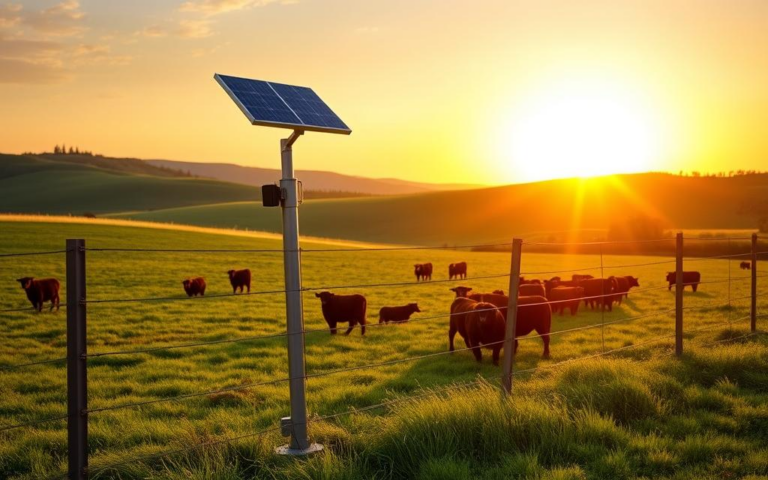
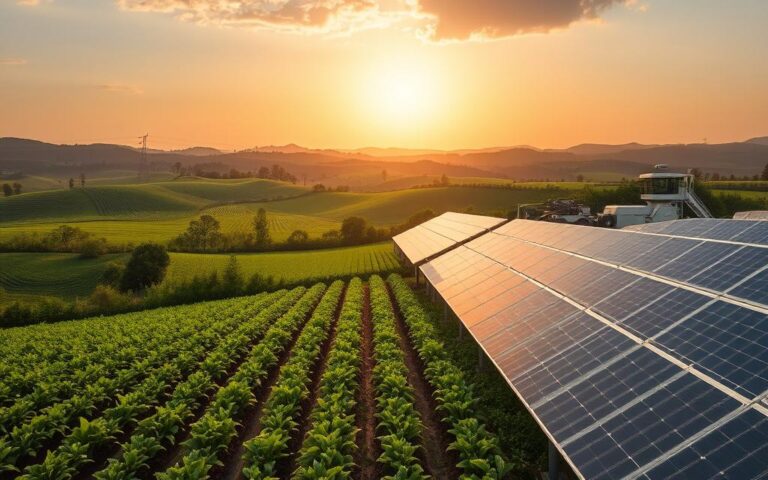
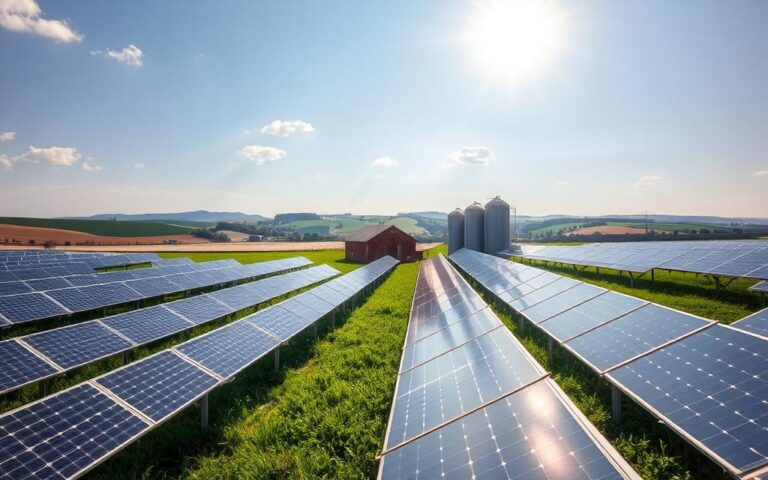
- Ground-mounted solar arrays in unused pasture areas
- Integrated solar installations near milking parlors
The strategic placement of farm solar panels allows maximum energy generation while preserving valuable agricultural land. Modern photovoltaic systems can offset up to 70-80% of a farm’s electrical consumption.
| Solar System Type | Annual Energy Production | Estimated Cost |
|---|---|---|
| Roof-Mounted System | 25,000-35,000 kWh | $35,000-$50,000 |
| Ground-Mounted System | 40,000-55,000 kWh | $45,000-$65,000 |
Solar Water Heating for Livestock Facilities
Solar thermal systems provide an efficient solution for heating water in dairy and livestock operations. These systems can significantly reduce energy costs associated with cleaning and sanitation processes.
By implementing agricultural renewable energy technologies, farmers can create more sustainable and economically viable operations while contributing to environmental conservation efforts.
Wind Energy Applications in Dairy and Livestock Production
Wind turbines for agriculture represent a powerful solution for enhancing livestock operation efficiency. Farmers across the United States are discovering innovative ways to harness wind energy to power their dairy and livestock facilities.
Renewable wind energy offers multiple advantages for agricultural operations. Farms located in open regions with consistent wind patterns can leverage these systems to generate electricity and reduce operational costs.
- Small-scale wind turbines provide supplemental power for farm infrastructure
- Utility-scale turbines generate significant electricity for larger operations
- Wind energy complements solar systems by generating power during nighttime
Site selection plays a crucial role in wind turbine effectiveness. Farmers must consider several key factors:
- Average wind speed in the region
- Topographical landscape
- Zoning regulations and setback requirements
- Potential environmental impact
The economic potential of wind energy extends beyond electricity generation. Many farms can generate additional income by selling excess power back to local electrical grids, creating a sustainable revenue stream.
Wind energy transforms agricultural operations from energy consumers to energy producers.
Modern wind turbines designed for agricultural use range from 10-kilowatt systems for small farms to multi-megawatt installations for extensive livestock operations. These systems offer remarkable flexibility in meeting diverse energy needs while supporting sustainable farming practices.
Biogas and Anaerobic Digestion Systems
Renewable energy solutions are transforming livestock operations, with biogas digesters for farms emerging as a powerful technology for sustainable agriculture. These innovative systems convert animal waste into valuable energy through a sophisticated process of anaerobic digestion agriculture.
Modern farms generate substantial organic waste that can be transformed into renewable energy. Manure to energy conversion represents a groundbreaking approach to sustainable agricultural practices.
Converting Manure into Renewable Energy
Anaerobic digestion is a biological process where microorganisms break down organic matter in oxygen-free environments. This process creates methane-rich biogas that can be used for multiple purposes:
- Generating electricity for farm operations
- Producing heat for animal housing
- Reducing greenhouse gas emissions
- Creating nutrient-rich fertilizer byproducts
Economic Returns from Biogas Production
Investing in biogas digesters offers farmers multiple financial benefits. The economic potential of these systems extends beyond energy production.
| Revenue Stream | Potential Annual Value |
|---|---|
| Electricity Generation | $15,000 – $50,000 |
| Fertilizer Sales | $5,000 – $10,000 |
| Waste Management Savings | $7,000 – $15,000 |
Farmers can expect significant returns while contributing to sustainable energy solutions through strategic biogas implementation.
Geothermal Heating and Cooling for Animal Housing
Geothermal farm heating represents a cutting-edge solution for livestock facility heating, offering farmers an innovative approach to maintaining optimal temperatures in animal housing. These advanced systems harness the earth’s consistent underground temperature to create comfortable environments for livestock throughout the year.
Ground-source heat pump technology provides several key advantages for agricultural operations:
- Stable temperature regulation for animal health
- Significant energy cost reduction
- Environmentally friendly heating and cooling
- Long-term operational efficiency
The installation of geothermal systems involves creating underground loop configurations that can be adapted to different farm layouts. Farmers can choose between two primary installation methods:
- Horizontal loops: Ideal for farms with extensive land areas
- Vertical loops: Perfect for properties with limited ground space
| Facility Type | Geothermal Heating Benefits | Temperature Stability |
|---|---|---|
| Dairy Barns | Consistent warm environments | ±2°F variation |
| Poultry Houses | Precise climate control | ±1.5°F variation |
| Livestock Facilities | Energy-efficient heating | ±2.5°F variation |
“Geothermal technology transforms how we approach livestock facility heating, providing unprecedented comfort and efficiency.” – Agricultural Energy Innovations Research Group
Farmers considering geothermal farm heating should evaluate their specific requirements, including facility size, local climate conditions, and initial investment capabilities. While upfront costs can be significant, the long-term energy savings and improved animal welfare make geothermal systems an attractive renewable energy solution for modern agricultural operations.
Financial Incentives and Tax Credits for Farm Energy Projects
Renewable energy investments for livestock and dairy farms have become increasingly attractive due to substantial financial incentives. Farmers can leverage USDA energy grants and farm tax credits renewable energy programs to offset initial implementation costs and maximize their renewable energy ROI farming strategies.
The federal government offers multiple financial support mechanisms for agricultural renewable energy projects. Farmers can access critical funding through carefully designed programs that reduce initial investment barriers.
Federal and State Grant Programs
Farmers have access to several key financial incentive programs:
- USDA Rural Energy for America Program (REAP) grants
- Federal Investment Tax Credit (ITC)
- Modified Accelerated Cost Recovery System (MACRS)
- State-specific renewable energy incentives
Return on Investment Calculations
Understanding the financial potential of renewable energy requires comprehensive ROI analysis. Farmers should consider multiple factors when evaluating potential investments.
| Investment Factor | Potential Savings |
|---|---|
| Energy Cost Reduction | $5,000 – $15,000 annually |
| Tax Credit Percentage | 30% of total system cost |
| Payback Period | 5-10 years |
Renewable energy investments can transform farm operational economics, providing long-term financial stability and environmental benefits.
Farmers interested in renewable energy projects should consult local agricultural extension offices and financial advisors to maximize available incentives and optimize their specific renewable energy ROI farming strategies.
Implementing Hybrid Renewable Energy Systems
Dairy farm energy solutions are revolutionizing agricultural power generation through innovative hybrid energy systems farms. These advanced configurations combine multiple renewable technologies to create comprehensive and reliable energy networks for livestock operations.
Farmers can maximize energy efficiency by strategically integrating different renewable sources. The most effective hybrid energy systems typically combine complementary technologies that address unique performance characteristics.
- Solar photovoltaic panels for daytime electricity generation
- Wind turbines for consistent power during variable wind conditions
- Biogas systems converting farm waste into continuous energy
- Battery storage for managing energy surplus and demand fluctuations
Designing successful hybrid energy systems farms requires careful planning and professional expertise. Key considerations include precise component sizing, intelligent control mechanisms, and comprehensive performance monitoring.
| Renewable Technology | Power Generation Capacity | Operational Efficiency |
|---|---|---|
| Solar Panels | 50-200 kW | 85-92% |
| Wind Turbines | 100-500 kW | 70-85% |
| Biogas Systems | 25-150 kW | 60-75% |
The economic advantages of dairy farm energy solutions extend beyond immediate power generation. Hybrid systems provide enhanced energy independence, reduced operational costs, and potential revenue through excess power sales back to the electrical grid.
Farmers investing in hybrid energy systems can expect improved resilience, lower carbon footprints, and long-term financial benefits. Professional consultation ensures optimal system design tailored to specific farm requirements and regional energy dynamics.
Case Studies of Successful Farm Energy Transitions
The agricultural energy transition is reshaping how farms approach power generation and sustainability. Real-world examples demonstrate the transformative potential of renewable energy solutions across diverse farming operations.
Several standout case studies highlight innovative sustainable farming practices in action:
- Badger Ridge Dairy Farm (Wisconsin): Implemented a comprehensive biogas digestion system processing manure from 800 cows. The facility now generates 100% of its electricity needs and supplies excess power to local grid.
- Sierra Vista Livestock Ranch (California): Integrated solar panel arrays with advanced battery storage, achieving complete energy independence and reducing operational costs by 65%.
- Prairie Wind Cattle Ranch (Texas): Deployed wind turbines to power water pumping systems and facility infrastructure, dramatically reducing fossil fuel dependence.
These agricultural energy transition success stories reveal critical insights:
- Renewable technologies can dramatically reduce operational expenses
- Sustainable farming practices create long-term economic advantages
- Environmental benefits complement financial gains
“Renewable energy isn’t just an environmental choice—it’s a smart business strategy for modern agriculture.” – Agricultural Sustainability Research Institute
Each case study demonstrates that strategic renewable energy investments can transform farm operations, providing resilient, cost-effective power solutions while supporting broader sustainability goals.
Conclusion
Renewable energy for livestock farms represents a transformative approach to agricultural operations. Farmers across the United States are discovering that sustainable energy solutions offer more than environmental benefits—they provide a strategic pathway to farm energy independence. The diverse technologies explored in this article demonstrate the potential for solar, wind, biogas, and geothermal systems to revolutionize how agricultural businesses manage their energy needs.
Strategic implementation of renewable energy requires careful assessment of individual farm characteristics. Each operation has unique energy consumption patterns, resource availability, and financial constraints. Producers should conduct comprehensive energy audits to identify the most suitable renewable technologies. Working with experienced energy professionals can help farmers navigate the complex landscape of system design, financial incentives, and long-term performance optimization.
Investment in renewable energy goes beyond immediate cost savings. These systems contribute to operational resilience, reducing dependency on traditional energy sources and creating opportunities for additional revenue streams. Federal and state incentive programs make renewable energy more accessible, helping farms offset initial implementation costs and accelerate return on investment.
The future of agricultural sustainability lies in embracing innovative energy solutions. Farmers who proactively integrate renewable energy technologies will position themselves at the forefront of a rapidly evolving agricultural sector. By prioritizing energy efficiency and sustainable practices, livestock and dairy operations can enhance their economic viability while contributing to broader environmental conservation efforts.
FAQ
What are the primary renewable energy technologies suitable for livestock and dairy farms?
The main renewable energy technologies for agricultural operations include solar power, wind energy, biogas systems, and geothermal heating and cooling. Each technology offers unique benefits, such as solar panels for electricity generation, wind turbines for power production, biogas digesters for converting manure into energy, and geothermal systems for efficient climate control in animal housing.
How much can farmers save by implementing renewable energy systems?
Savings vary depending on farm size, energy consumption, and specific renewable technology. Typically, farmers can reduce electricity costs by 50-90%, with potential additional revenue through net metering, renewable energy credits, and federal tax incentives. A comprehensive renewable energy system can often pay for itself within 5-10 years.
Are there financial incentives available for renewable energy projects on farms?
Yes, farmers can access several financial incentives, including the USDA Rural Energy for America Program (REAP), federal Investment Tax Credit (ITC), Modified Accelerated Cost Recovery System (MACRS), and various state-level grants and rebates. These programs can offset up to 30-50% of initial installation costs for renewable energy systems.
What is the most cost-effective renewable energy technology for small to medium-sized livestock operations?
Solar photovoltaic systems are often the most cost-effective and versatile option for small to medium-sized farms. They have relatively low installation costs, minimal maintenance requirements, and can be easily scaled to match farm energy needs. Ground-mounted or roof-mounted solar arrays provide flexible implementation options.
How do biogas systems work on livestock farms?
Biogas systems use anaerobic digestion to break down livestock manure in oxygen-free environments, producing methane-rich biogas. This biogas can be converted into electricity or used directly for heating. These systems not only generate renewable energy but also provide additional benefits like waste management, odor reduction, and producing nutrient-rich fertilizer.
Can renewable energy systems provide power during grid outages?
Many renewable energy systems can be configured with battery storage or backup generators to provide continuous power during grid interruptions. Hybrid systems combining solar, wind, and battery storage offer the most reliable backup power solution, ensuring critical farm operations like milking equipment and refrigeration continue functioning.
What maintenance is required for farm renewable energy systems?
Maintenance requirements vary by technology. Solar panels typically need annual cleaning and inspection, wind turbines require periodic mechanical checks, and biogas systems need regular monitoring of digester conditions. Most modern systems are designed for minimal intervention, with professional annual inspections recommended to ensure optimal performance.
How long do renewable energy systems typically last on farms?
Most renewable energy technologies have 20-30 year lifespans. Solar panels typically maintain 80-90% efficiency after 25 years, wind turbines can operate effectively for 20-25 years, and geothermal systems can last 25-50 years with proper maintenance. Regular professional inspections help maximize system longevity and performance.