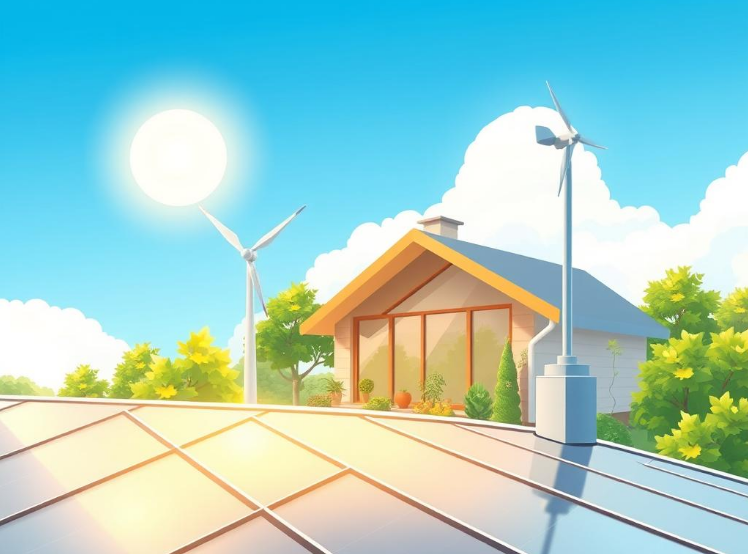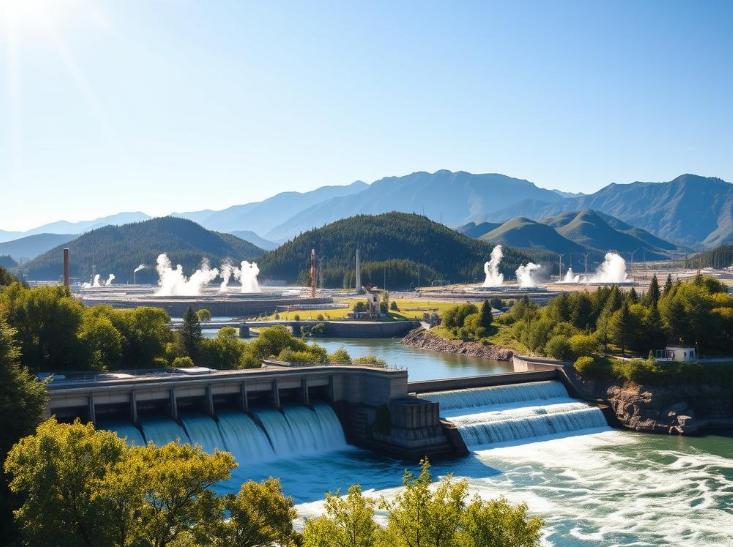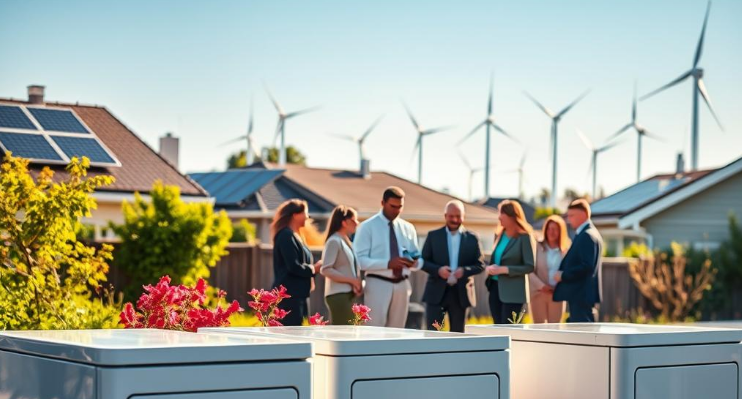

Did you know that the United States could potentially generate 100% of its electricity from renewable sources by 2035? This groundbreaking potential highlights the transformative power of sustainable energy independence strategies that are reshaping our national energy landscape.
Sustainable energy independence represents a critical pathway for households and businesses to reduce reliance on traditional utility grids. Renewable energy systems offer a comprehensive approach to generating clean, reliable power while minimizing environmental impact and reducing long-term energy costs.
Energy self-sufficiency is no longer just an environmental ideal—it’s becoming an economic and strategic necessity. By leveraging advanced technologies like solar, wind, geothermal, and biomass, communities can create resilient energy networks that provide greater control and stability.
The shift towards sustainable energy independence empowers individuals and organizations to take proactive steps in managing their energy consumption. From residential solar installations to large-scale commercial renewable projects, these solutions are creating a more decentralized and adaptive energy ecosystem.
As energy technologies continue to evolve, the potential for comprehensive renewable energy strategies grows increasingly promising. This article will explore the innovative approaches and technologies driving sustainable energy independence across the United States.
Understanding the Path to Sustainable Energy Independence
Energy transition represents a critical shift in how Americans approach power generation and consumption. The journey toward energy independence begins with understanding the core principles of decentralized energy systems that empower individuals and communities to take control of their energy future.
Decentralized energy is revolutionizing the traditional power landscape by distributing energy production closer to the point of use. This approach offers several key advantages:
- Increased energy security by reducing reliance on centralized grid systems
- Lower transmission losses and improved grid resilience
- Greater flexibility in energy generation and consumption
- Potential for significant cost savings over time
The path to energy independence involves a strategic approach to assessing and transforming current energy consumption patterns. Homeowners and businesses can start by conducting comprehensive energy audits to identify inefficiencies and opportunities for renewable integration.
Key strategies for achieving energy security include:
- Implementing renewable energy technologies
- Investing in energy-efficient infrastructure
- Developing local energy generation capabilities
- Exploring innovative storage solutions
“Energy independence is not just about technology—it’s about creating a sustainable, resilient future for our communities.”
The economic benefits of energy transition extend beyond individual savings. By investing in decentralized energy systems, Americans can protect themselves from volatile energy markets while contributing to a more sustainable national energy infrastructure.
As extreme weather events and grid challenges become more frequent, the importance of energy independence continues to grow. The shift toward local, renewable energy sources represents a powerful solution for long-term energy security and environmental sustainability.
Solar Power Systems for Residential and Commercial Use
Solar energy represents a transformative approach to clean energy solutions, offering versatile residential energy solutions and robust commercial energy systems. The rapid advancement of photovoltaic technologies has made solar power more accessible and efficient than ever before.
Modern solar installations provide property owners with multiple options for implementing sustainable energy strategies. These systems can be tailored to meet diverse energy needs, from small residential setups to large-scale commercial energy systems.
Photovoltaic Technology Advances
Recent innovations in solar technology have dramatically improved energy capture and efficiency. Key developments include:
- Monocrystalline panels with higher conversion rates
- Bifacial panels capturing reflected light
- Emerging perovskite cell technologies
- Thin-film solar solutions for diverse applications
“Solar technology is revolutionizing how we generate and consume energy, making clean energy solutions more practical than ever.” – Solar Energy Industries Association
Battery Storage Integration
Energy storage solutions are critical for maximizing solar power potential. Advanced battery technologies enable users to store excess energy and maintain power during non-production hours.
| Battery System | Capacity | Backup Duration |
|---|---|---|
| Tesla Powerwall | 13.5 kWh | 1-2 Days |
| LG Chem RESU | 9.8 kWh | 12-24 Hours |
| Enphase Encharge | 10.1 kWh | 8-16 Hours |
Grid-Tied vs Off-Grid Solutions
Property owners can choose between two primary solar installation strategies:
- Grid-Tied Systems: Maintain utility connection with net metering benefits
- Off-Grid Systems: Complete energy independence requiring larger battery banks
Each approach offers unique advantages for achieving sustainable energy independence through solar power technology.
Wind Energy as a Reliable Power Source
Wind energy stands as a powerful alternative energy source for sustainable power generation. Modern wind turbines transform kinetic wind energy into electricity, offering an innovative solution for residential and commercial renewable power generation.
Selecting the right location is crucial for effective wind energy implementation. Ideal wind energy sites typically require:
- Minimum average wind speeds of 10 mph
- Open terrain with minimal obstructions
- Compliance with local zoning regulations
- Adequate land or rooftop space
Two primary wind turbine designs dominate the market: horizontal-axis and vertical-axis configurations. Horizontal-axis turbines are more common for large-scale renewable power generation, while vertical-axis models work better in urban environments with variable wind patterns.
Wind energy systems offer significant advantages for alternative energy sources:
- Zero direct carbon emissions
- Low operational maintenance costs
- Potential for energy independence
- Scalable technology from residential to utility-scale installations
Economic considerations are vital when evaluating wind energy investments. Installation costs range from $3,000 to $8,000 per kilowatt, with most residential systems providing 10-20 year operational lifespans.
Hybrid renewable energy systems combining wind and solar technologies can provide more consistent power generation, addressing intermittency challenges and maximizing alternative energy potential.
Geothermal Heating and Cooling Systems
Green energy technology offers innovative solutions for sustainable power sources, and geothermal systems stand out as a remarkable approach to energy independence. These systems tap into the earth’s stable underground temperature to provide efficient heating and cooling for residential and commercial spaces.
Geothermal energy represents a groundbreaking sustainable power sources strategy that transforms how we think about climate control. By leveraging the consistent underground temperature, these systems can dramatically reduce energy consumption and utility costs.
Ground Source Heat Pumps
Ground source heat pumps are at the forefront of green energy technology, offering exceptional efficiency for climate control. These systems utilize three primary configurations:
- Horizontal closed-loop systems for properties with extensive land area
- Vertical closed-loop systems ideal for smaller properties
- Open-loop systems that utilize available groundwater
The remarkable efficiency of geothermal heat pumps can reach 300-600%, compared to traditional furnaces that typically operate at 95% efficiency. This translates to significant energy savings and reduced environmental impact.
Direct Use Geothermal Applications
Beyond heating and cooling, geothermal technology extends to diverse applications such as:
- Water heating for residential and commercial use
- Greenhouse temperature management
- Aquaculture climate control
- Industrial process heating
Regions with active geological features can even explore geothermal electricity generation, further expanding the potential of this sustainable power sources technology.
Hydroelectric Power for Local Energy Generation
Hydroelectric power offers a remarkable solution for sustainable infrastructure, especially for properties with accessible water resources. Unlike other renewable energy sources, micro-hydroelectric systems provide consistent power generation when water flow remains steady.
Micro-hydroelectric systems generate electricity through water-powered turbines, making them an excellent option for off-grid living. These compact systems can produce up to 100 kilowatts of electricity, suitable for individual properties or small communities.
- Requires minimum water flow of 5-10 gallons per minute
- Needs vertical drop (head) for efficient power generation
- Operates effectively during consistent water flow periods
Property owners can choose between two primary micro-hydro configurations:
| System Type | Description | Best Suited For |
|---|---|---|
| Run-of-River | Diverts stream flow through turbine | Properties with consistent streams |
| Infrastructure Integration | Uses existing water systems | Irrigation canals, water supply pipelines |
When implementing a micro-hydroelectric system, property owners must consider environmental regulations, permitting requirements, and potential ecosystem impacts. Proper planning ensures sustainable energy generation without disrupting local water resources.
Integrating hydroelectric power with solar or wind systems can create a robust, reliable renewable energy strategy for comprehensive off-grid living solutions.
Biomass and Biofuel Alternatives
Biomass energy represents a powerful strategy for carbon footprint reduction by transforming organic materials into usable energy sources. This renewable approach offers innovative solutions for generating electricity, heating, and transportation fuels while supporting sustainable waste management practices.
Renewable energy technologies continue to evolve, with biomass emerging as a critical component of comprehensive energy independence strategies. By converting organic waste into valuable energy resources, communities can reduce environmental impact and lower energy costs simultaneously.
Organic Waste Conversion Technologies
Innovative organic waste conversion methods provide multiple benefits for sustainable energy production:
- Anaerobic digestion systems generate biogas from agricultural and food waste
- Small-scale digesters create renewable energy for farms and rural properties
- Composting systems produce soil amendments while reducing waste volume
Sustainable Fuel Production Methods
Biofuel technologies offer diverse approaches to energy generation:
| Biofuel Type | Source Materials | Energy Applications |
|---|---|---|
| Wood Pellet Systems | Forestry Residues | Efficient Heating |
| Biodiesel | Waste Vegetable Oils | Transportation Fuel |
| Bioethanol | Agricultural Crops | Fuel Blending |
These sustainable fuel production methods demonstrate significant potential for energy cost reduction while minimizing environmental impact. By prioritizing waste materials and sustainably harvested resources, biomass technologies support a circular economy approach to energy generation.
Energy Efficiency Measures That Reduce Dependence
Achieving energy independence benefits starts with implementing comprehensive energy efficiency strategies. Reducing energy consumption is the cornerstone of creating a sustainable and self-sufficient home environment. Homeowners can dramatically lower their energy requirements through targeted improvements that make net-zero energy goals more accessible.
Key strategies for improving home energy efficiency include:
- Building envelope improvements
- High-efficiency HVAC systems
- Advanced lighting solutions
- Smart appliance selection
- Intelligent home technologies
The building envelope plays a crucial role in energy conservation. Comprehensive insulation upgrades can significantly reduce heat transfer, with options including:
- Attic insulation enhancement
- Wall cavity improvements
- Foundation sealing techniques
- High-performance window installations
Smart home technologies offer unprecedented control over energy consumption. Energy monitoring systems provide real-time feedback, allowing homeowners to make informed decisions about their energy use. Programmable thermostats, smart power strips, and automated systems can reduce electricity consumption by up to 30% without sacrificing comfort.
Investing in energy efficiency delivers remarkable returns. Each dollar spent on efficiency measures typically generates more significant savings than equivalent investments in energy generation. By prioritizing these strategies, homeowners can move closer to energy independence while reducing their environmental footprint.
Policy Frameworks and Incentives Supporting Clean Energy
Government policies play a crucial role in driving sustainable energy independence across the United States. Strategic frameworks and financial incentives have been designed to make renewable energy investment more accessible and attractive for homeowners and businesses.
Federal Tax Credits and Rebates
The federal government offers robust financial support for clean energy adoption through various incentive programs. Key benefits include:
- Investment Tax Credit (ITC) for solar energy systems
- Significant tax deductions for renewable energy installations
- Modified Accelerated Cost Recovery System (MACRS) depreciation benefits
Taxpayers can currently deduct a substantial percentage of solar installation costs from their federal taxes. These credits apply to solar panels, solar water heating systems, and battery storage solutions charged by solar energy.
State-Level Renewable Energy Programs
State governments complement federal incentives with unique renewable energy programs that vary by location. These initiatives create additional opportunities for sustainable energy independence:
- State-specific tax credits and rebates
- Net metering policies
- Renewable energy credit programs
- Property tax exemptions for green energy installations
Homeowners and businesses can leverage these programs to reduce initial renewable energy investment costs and accelerate the transition to clean energy solutions.
Exploring local and federal incentives can significantly offset the upfront expenses of sustainable energy technologies.
Conclusion
Sustainable energy independence represents a transformative approach to powering homes and businesses across the United States. The journey toward renewable energy systems is not about achieving complete isolation, but creating a resilient and efficient energy strategy that reduces reliance on traditional power grids. Each property has unique potential for implementing solar, wind, geothermal, or biomass technologies that can significantly cut energy costs and environmental impact.
The most effective sustainable energy independence strategy combines multiple renewable technologies tailored to specific local conditions. Homeowners and businesses can start by conducting comprehensive energy audits to identify optimization opportunities. Professional renewable energy consultants can help design customized systems that maximize efficiency and align with regional incentive programs, making the transition more financially accessible.
Initial investments in renewable energy systems may seem substantial, but long-term benefits are compelling. Typical payback periods range from 5-15 years, with system lifespans extending 25-30 years. Technological advancements continue driving down installation costs while improving performance, making sustainable energy solutions increasingly attractive for American property owners seeking greater energy control and environmental responsibility.
As renewable technologies evolve, sustainable energy independence becomes more achievable for everyone. By embracing these innovative solutions, individuals and businesses can reduce energy expenses, increase property resilience, and contribute to a cleaner energy future. The path forward is clear: strategic investment in renewable energy systems offers economic and environmental advantages that will shape America’s energy landscape for generations.
FAQ
What is sustainable energy independence?
Sustainable energy independence is the ability to generate and manage your own power using renewable energy sources like solar, wind, geothermal, and hydroelectric systems, reducing or eliminating reliance on traditional utility grids and fossil fuel-based power generation.
How much does it cost to transition to sustainable energy?
Initial costs vary widely depending on the technology and scale, but federal tax credits, state incentives, and decreasing equipment prices have made sustainable energy more affordable. Typical residential solar installations range from $15,000 to $25,000 before incentives, with potential payback periods of 5-15 years.
Can I achieve energy independence in any location?
Different locations have varying potential for renewable energy. Factors like sunlight exposure, wind patterns, water resources, and local regulations impact the feasibility of specific technologies. A professional energy assessment can help determine the best approach for your specific property.
What are the environmental benefits of sustainable energy?
Sustainable energy reduces carbon emissions, minimizes reliance on fossil fuels, decreases air and water pollution, and helps mitigate climate change. Each renewable energy system contributes to a cleaner, more sustainable environmental future.
Do I need to go completely off-grid to benefit from sustainable energy?
No, many homeowners use grid-tied systems that allow them to generate their own power while maintaining a connection to the utility grid. This approach provides flexibility, enables net metering, and can reduce energy costs significantly.
What maintenance is required for renewable energy systems?
Maintenance varies by technology. Solar panels typically require minimal upkeep with occasional cleaning. Wind turbines need periodic inspections, and geothermal systems require less maintenance compared to traditional HVAC systems. Annual professional inspections are recommended to ensure optimal performance.
Are there financing options for sustainable energy installations?
Yes, multiple financing options exist, including solar loans, home equity lines of credit, PACE financing, leasing programs, and power purchase agreements. Many banks now offer specialized green energy loan products with competitive rates.
How do battery storage systems work with renewable energy?
Battery storage systems like the Tesla Powerwall store excess energy generated by solar or wind systems, allowing you to use stored power during non-production hours, during grid outages, or when energy demand is high, maximizing energy independence.
What federal incentives are available for renewable energy?
The federal Investment Tax Credit (ITC) currently allows a significant percentage deduction for solar and other renewable energy system installations. Additional incentives include accelerated depreciation for businesses and various grant programs through the USDA and Department of Energy.
Can renewable energy increase my property value?
Studies show that homes with solar installations and other sustainable energy systems typically sell faster and at higher prices. The added value comes from lower operating costs, modern technology, and growing buyer interest in energy-efficient properties.