
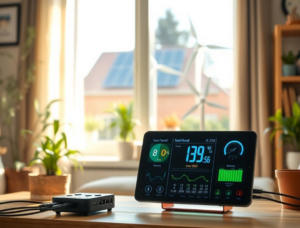
Did you know that the average American household can reduce electricity bills by up to 40% through low-budget DIY renewable energy solutions? Renewable energy is no longer a luxury reserved for wealthy homeowners with massive installation budgets.
Today’s DIY energy projects offer affordable renewable energy options that anyone with basic tools and minimal technical skills can implement. From solar panels to wind turbines, homeowners can generate clean energy without breaking the bank.
This guide will walk you through simple, cost-effective strategies to create your own sustainable energy systems. Whether you’re an environmental enthusiast or simply looking to cut utility costs, these low-budget DIY renewable energy projects provide practical solutions for generating electricity at home.
Each project we’ll explore requires minimal investment—typically between $50 and $500—and can significantly reduce your dependence on traditional power grids. With some creativity and basic technical knowledge, you can transform your home into an eco-friendly energy production center.
Get ready to discover how accessible and empowering renewable energy can be for everyday Americans willing to take a hands-on approach to sustainable living.
Why Renewable Energy Matters for Homeowners Today
American homeowners are facing unprecedented challenges with rising electricity prices and increasing environmental concerns. The past decade has witnessed a dramatic surge in residential electricity costs, pushing many families to seek alternative energy solutions that promise both financial relief and environmental responsibility.
The benefits of renewable energy extend far beyond simple cost savings. Homeowners can achieve significant advantages through strategic energy investments:
- Reduce monthly energy cost savings by 30-50%
- Minimize personal carbon footprint reduction
- Create energy independence from unstable power grids
- Increase home value through sustainable upgrades
Energy experts highlight that small-scale renewable projects can dramatically cut household expenses. A typical DIY solar panel system could save between $30-100 monthly, offsetting the initial investment while providing long-term financial benefits. With rising electricity prices showing no signs of slowing, homeowners are increasingly motivated to explore alternative energy solutions.
Beyond financial considerations, renewable energy represents a powerful method for individuals to take direct action against climate change. Each residential renewable energy project contributes to reducing greenhouse gas emissions and promoting a more sustainable future.
Renewable energy isn’t just an investment—it’s a commitment to environmental stewardship and personal economic resilience.
Understanding the Basics of Home Energy Generation
Achieving home energy independence starts with grasping the fundamental principles of renewable energy generation. Homeowners increasingly seek sustainable solutions that reduce electricity costs and environmental impact. Understanding energy generation basics can transform how you approach power consumption and production.
Modern renewable energy systems convert natural resources into usable electricity through innovative technologies. The process involves capturing energy from sources like sunlight, wind, and water, then transforming it into electrical power your home can utilize.
How Renewable Energy Systems Work
Energy generation basics rely on several key components:
- Energy collectors (solar panels, wind turbines)
- Conversion mechanisms
- Storage systems
- Inverters to transform raw energy
Calculating Your Home’s Energy Needs
Power consumption calculation requires careful analysis of your household’s electrical usage. Start by examining your utility bills and identifying high-energy consuming appliances.
- Review monthly electricity bills
- List major electrical devices
- Calculate average daily kilowatt-hour usage
- Identify potential energy reduction strategies
Safety Considerations Before Starting
Renewable energy projects demand careful planning and safety precautions. Always consult local building codes and consider professional guidance for complex installations. Protective equipment and proper electrical knowledge are crucial for successful home energy independence projects.
Safety first: Understanding electrical systems is more important than technical expertise.
By mastering these fundamental concepts, homeowners can confidently explore DIY renewable energy solutions that reduce electricity costs and promote sustainable living.
Essential Tools and Materials for Budget-Friendly Energy Projects
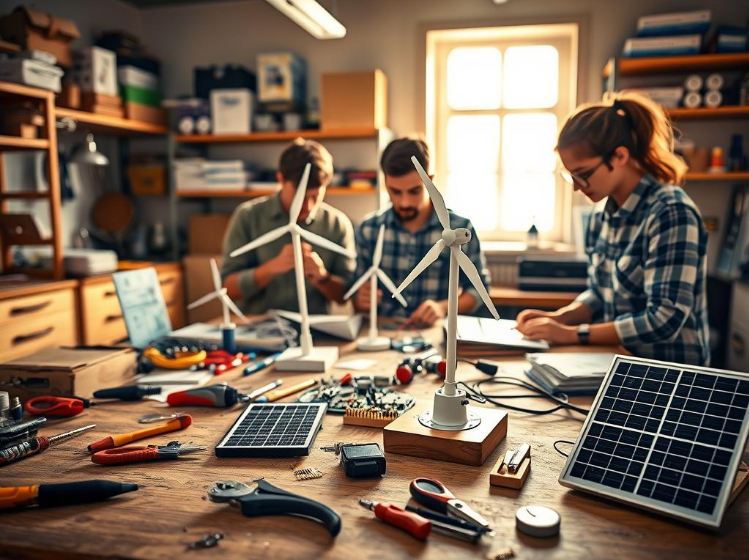
Embarking on DIY renewable energy projects requires careful preparation and the right set of tools. Budget-friendly energy projects demand strategic planning and smart resource management. Whether you’re a beginner or an experienced DIY enthusiast, having the correct tools can make your renewable energy journey smoother and more cost-effective.
- Basic hand tools:
- Screwdrivers (multiple sizes)
- Adjustable wrenches
- Wire strippers
- Drill with various drill bits
- Electrical testing equipment:
- Digital multimeter
- Voltage tester
- Electrical tape
- Construction materials:
- Plywood
- PVC pipes
- Aluminum framing
- Weatherproof sealants
When sourcing affordable materials for DIY tools, consider these money-saving strategies:
- Borrow specialized tools from local tool libraries
- Purchase used equipment from online marketplaces
- Check salvage yards for recycled components
- Compare prices across different retailers
Investing in quality is crucial for certain components like safety equipment and charge controllers. Smart DIY enthusiasts balance cost-effectiveness with reliable performance. Create a dedicated workspace that allows organized storage of your tools and materials, ensuring your budget-friendly energy projects run smoothly and efficiently.
Building Your Own Solar Panel System on a Shoestring Budget
Creating DIY solar panels at home is an exciting way to generate renewable energy while saving money. Homemade solar systems can dramatically reduce electricity costs and provide an environmentally friendly power solution for budget-conscious homeowners.
Sourcing Affordable Solar Components
Building cheap solar cells requires strategic shopping and careful component selection. Potential sources for affordable solar components include:
- Online marketplaces specializing in electronics
- Surplus electronics stores
- Refurbished solar cell suppliers
- Local electronics recycling centers
Essential Materials for Your DIY Solar Panel
| Component | Estimated Cost | Recommended Type |
|---|---|---|
| Solar Cells | $0.50-$1.50 per watt | Polycrystalline |
| Tabbing Wire | $10-$15 per roll | Copper |
| EVA Film | $15-$25 | Transparent encapsulation |
| Backing Board | $20-$35 | Tempered glass/Plywood |
Mounting and Positioning Strategies
Proper positioning is crucial for maximizing your homemade solar system’s efficiency. Consider these key factors when installing your DIY solar panels:
- Determine your geographical latitude
- Aim for south-facing orientation
- Minimize shade from trees and buildings
- Adjust panel angle seasonally
A small 100-watt DIY solar panel can cost between $150-$200 in materials, providing power for lighting, charging devices, and small appliances. With careful planning and implementation, you can create an affordable renewable energy solution tailored to your specific needs.
Creating a Small-Scale Wind Turbine from Recycled Materials
Transforming recycled materials into a small wind generator can be an exciting DIY wind energy project for homeowners seeking alternative power solutions. Wind energy offers a unique opportunity to generate electricity, especially in areas with consistent wind patterns.
Before starting your homemade wind turbine project, consider these key factors:
- Minimum wind speed of 10 mph for effective power generation
- Open space without significant wind obstructions
- Local zoning regulations regarding wind energy installations
Building a small wind generator requires careful planning and understanding of basic aerodynamic principles. Recycled materials like PVC pipes, automotive parts, and metal scraps can become valuable components of your renewable energy system.
“The most sustainable energy is the energy you can create yourself” – Clean Energy Advocate
Critical components for your DIY wind turbine include:
| Component | Potential Recycled Sources | Estimated Cost |
|---|---|---|
| Turbine Blades | PVC Pipes, Plastic Barrels | $0-$20 |
| Generator | Treadmill Motor, Car Alternator | $10-$50 |
| Tower | Steel Pipes, Wooden Poles | $30-$100 |
Remember that a successful homemade wind turbine requires balanced blades, proper mounting, and realistic expectations about power output. Small DIY wind generators typically produce 50-400 watts, making them ideal for supplementing other renewable energy sources.
Low Budget DIY Renewable Energy Solutions Using Water Power
Water power represents an exciting frontier for sustainable home energy solutions. Homeowners with access to streams, creeks, or consistent rainfall can tap into micro-hydro power systems that transform natural water resources into clean electrical energy.
Sustainable home energy through water energy systems offers unique advantages for property owners. Small water sources can generate surprising amounts of consistent renewable electricity with the right equipment and design.
Micro-Hydro Generators for Streams and Creeks
Micro-hydro power generation requires three critical components:
- Water intake system
- Penstock pipe for water channeling
- Low-cost turbine generator
Calculating potential power output involves two key measurements:
| Measurement | Description | Impact on Power Generation |
|---|---|---|
| Flow Rate | Gallons per minute | Determines water volume |
| Head Height | Vertical water drop | Influences potential energy |
Rainwater Collection Energy Systems
Rainwater collection can supplement micro-hydro power generation. Roof-based systems capture falling water, creating potential for modest electrical generation through small turbines.
Key considerations for water energy systems include:
- Local water rights regulations
- Seasonal water flow variations
- Environmental impact assessment
DIY enthusiasts can create simple Pelton wheel turbines using PVC pipes and metal cups, transforming natural water resources into renewable electricity with minimal investment.
Constructing a Homemade Solar Water Heater
Reducing home energy costs starts with smart solutions like solar water heating. A DIY thermal collector can slash water heating expenses by up to 80%, making it an attractive project for budget-conscious homeowners interested in homemade solar power.
Building a solar water heater doesn’t require advanced engineering skills. The basic components include:
- Copper piping
- Black absorber plate
- Insulated collection box
- Glass or polycarbonate glazing
- Mounting hardware
The core of any solar water heating system is the thermal collector. Homeowners can create an effective collector by following these key steps:
- Construct an insulated wooden box
- Install copper piping in a serpentine pattern
- Apply black heat-absorbing paint
- Cover with transparent glazing
Selecting the right location is crucial for maximizing solar water heating efficiency. Roof installations typically provide the best sun exposure, but ground-mounted systems work well in some environments.
| System Type | Average Cost | Energy Savings |
|---|---|---|
| Passive Batch Heater | $200-$300 | 40-60% |
| Thermosiphon System | $500-$800 | 60-75% |
| Active Pumped System | $800-$1500 | 70-80% |
Safety tip: Always consult local building codes and consider professional installation for complex plumbing modifications. Proper pressure relief valves and system design are essential for safe operation.
DIY Battery Storage Systems to Maximize Your Energy Independence
Creating effective battery storage systems is crucial for achieving true energy independence in off-grid solutions. Renewable energy generation becomes powerful when you can store and use electricity exactly when you need it. This guide will help you build a robust battery bank that supports your home’s energy needs while keeping costs manageable.
Choosing the Right Battery Type for Your Budget
Selecting the appropriate battery is fundamental to successful energy storage. Different battery types offer unique advantages for homeowners seeking energy independence:
- Flooded Lead-Acid Batteries
- Lowest initial cost
- Requires regular maintenance
- Shorter lifespan
- Sealed AGM Batteries
- Maintenance-free
- Moderate pricing
- Better durability
- Lithium Iron Phosphate Batteries
- Longest lifespan
- Higher upfront investment
- Best performance
Building a Simple Battery Bank
Constructing a battery storage system requires careful planning and safety precautions. Focus on creating a setup that maximizes your renewable energy potential while protecting your investment.
| Component | Function | Estimated Cost |
|---|---|---|
| Batteries | Energy Storage | $100-$300 |
| Charge Controller | Regulate Battery Charging | $50-$200 |
| Inverter | Convert DC to AC Power | $100-$500 |
| Cables/Connectors | System Connectivity | $30-$100 |
When building your battery bank, remember these key tips for energy independence:
- Calculate your total energy consumption
- Choose batteries with appropriate capacity
- Ensure proper ventilation
- Install safety fuses and protection mechanisms
- Regularly monitor battery performance
By carefully designing your battery storage systems, you can create a reliable off-grid solution that provides consistent power and reduces dependency on traditional electricity sources.
Biomass and Biogas Projects for Alternative Home Energy
Green energy DIY enthusiasts can unlock powerful renewable energy solutions through biomass and biogas generation. These innovative home energy projects transform organic waste into valuable power sources, offering sustainable alternatives for environmentally conscious homeowners.
Biomass energy provides an exciting pathway for converting natural materials into heat and electricity. Homeowners can explore several practical approaches:
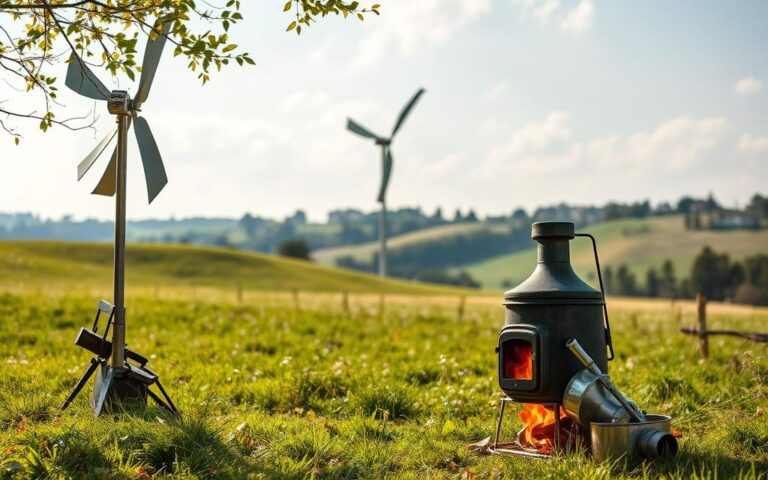
- Wood-burning efficient stoves
- Rocket mass heaters
- Organic waste conversion systems
Biogas generation represents another compelling green energy DIY strategy. By creating simple biodigesters, households can convert kitchen scraps, yard waste, and animal manure into usable methane gas. The process transforms waste into a renewable energy resource.
“Turning waste into energy isn’t just possible—it’s practical for forward-thinking homeowners.” – Renewable Energy Expert
Key considerations for successful biomass energy projects include:
- Understanding local regulations
- Selecting appropriate organic materials
- Implementing safe processing techniques
- Managing temperature and decomposition conditions
Rural homeowners and those with gardens or livestock can particularly benefit from these green energy DIY methods. The potential to reduce waste while generating energy makes biomass and biogas projects an attractive sustainable solution.
Monitoring and Optimizing Your DIY Renewable Energy Setup
Maximizing the potential of your home renewable energy system requires smart system optimization and consistent energy monitoring. Implementing cheap energy solutions isn’t just about installation—it’s about understanding and improving your energy production and consumption over time.
Tracking your energy system’s performance helps you make informed decisions about your home’s power consumption. The right monitoring approach can reveal unexpected insights and opportunities for efficiency.
Tracking Energy Production and Usage
Effective energy monitoring involves several key strategies:
- Use affordable digital multimeters to measure current and voltage
- Invest in low-cost amp-hour meters for precise tracking
- Consider DIY monitoring systems using Arduino or Raspberry Pi
Critical metrics to track include:
- Daily energy production (kilowatt-hours)
- Battery voltage and charge status
- Charging and discharging currents
- Overall power consumption patterns
Maintenance Tips for Long-Term Performance
Regular maintenance extends the lifespan of your renewable energy setup. Create a quarterly inspection routine that covers different system components:
- Clean solar panels to remove dust and debris
- Check mounting hardware for corrosion
- Inspect electrical connections
- Test battery health and voltage levels
Remember, preventive maintenance is always cheaper than replacing entire system components. Spending a few hours each quarter can potentially save hundreds of dollars in future repairs.
Conclusion
Embracing renewable energy on a budget is more accessible than ever before. The DIY energy savings potential in sustainable living can transform how homeowners approach power generation. Each project you undertake represents a step toward greater energy independence and environmental responsibility.
Starting small is key to success in home renewable energy projects. A single 100-watt solar panel or a simple solar water heater can provide meaningful reductions in traditional energy consumption. The skills you develop through these initial projects build confidence and technical understanding that will support more complex installations in the future.
Online communities and resources provide invaluable support for those exploring DIY renewable energy solutions. By connecting with experienced enthusiasts, you can learn troubleshooting techniques, share experiences, and gain insights that accelerate your learning curve. Remember that every solar panel, wind turbine, or micro-hydro system you build contributes to a larger movement of sustainable home energy production.
Your renewable energy journey is not just about saving money—it’s about creating a more resilient, environmentally conscious lifestyle. With patience, creativity, and a willingness to learn, you can transform your home into a model of sustainable energy efficiency. Take that first step, start small, and watch your skills and energy independence grow.
FAQ
What are the most affordable renewable energy projects for homeowners?
The most budget-friendly renewable energy projects include DIY solar panel systems, small wind turbines made from recycled materials, solar water heaters, and micro-hydro generators for properties with flowing water. These projects typically range from $50 to $500 in materials and can help reduce electricity costs by 20-40%.
Do I need advanced technical skills to build a DIY renewable energy system?
No, most low-budget renewable energy projects are designed for beginners with basic DIY skills. While some electrical and construction knowledge helps, many projects come with detailed instructions and online resources. Starting with smaller, simpler projects like a 100-watt solar panel can help you build confidence and skills gradually.
How much can I actually save by implementing these DIY renewable energy projects?
Savings vary depending on the project and your energy consumption. A typical DIY solar panel system can save $30-100 monthly on electricity bills. A solar water heater can reduce water heating costs by 50-80%, with a payback period of 2-4 years. Even small systems can provide meaningful energy independence and cost reduction.
Are there legal considerations I should be aware of before starting a renewable energy project?
Yes, it’s crucial to check local building codes, permit requirements, and zoning regulations. Some areas have specific rules about installing renewable energy systems, especially for wind and hydro projects. Additionally, if you’re connected to the power grid, you may need to inform your utility company about your renewable energy installation.
What tools do I need to get started with DIY renewable energy?
Essential tools include basic hand tools (screwdrivers, wrenches, wire strippers), electrical testing equipment (multimeter), construction materials (plywood, PVC pipe), and specific electrical components. Many tools can be borrowed, purchased used, or found at affordable prices online and in local hardware stores.
Which renewable energy source is best for my home?
The best source depends on your local environment and resources. Solar works well in sunny areas, wind turbines need consistent wind speeds, and micro-hydro systems require flowing water. Many homeowners benefit from hybrid systems that combine multiple renewable energy sources for more consistent power generation.
How do I store energy from my DIY renewable system?
Battery storage is key to maintaining power when renewable sources aren’t generating electricity. Options include lead-acid batteries, AGM batteries, and repurposed lithium batteries. A simple battery bank can be built for $100-300, providing emergency backup or storing energy for later use.
What safety precautions should I take?
Always prioritize electrical safety. Use proper protective equipment, understand grounding techniques, install circuit protection, and know when to consult a licensed electrician. Ensure proper ventilation for battery systems, use appropriate mounting techniques, and follow manufacturer guidelines for all components.