
Did you know that the United States could save over $321 billion by transitioning to renewable energy technologies by 2030? Sustainable energy solutions efficiency is no longer a distant dream but an urgent economic and environmental imperative for American businesses and homeowners.
The energy landscape is rapidly transforming, challenging traditional perceptions about renewable energy efficiency. Cost-effective energy solutions are now within reach, offering a strategic pathway to reduce carbon footprints while maintaining financial stability.
Modern sustainable energy strategies require a delicate balance between three critical factors: economic viability, operational performance, and environmental impact. This comprehensive approach ensures that renewable energy investments deliver tangible benefits across multiple dimensions.
Navigating this complex terrain demands strategic insights and a nuanced understanding of emerging technologies. From solar and wind to advanced storage systems, the renewable energy ecosystem offers sophisticated solutions tailored to diverse needs and budgets.
Our exploration will demystify sustainable energy solutions, empowering decision-makers to make informed choices that align technological innovation with economic pragmatism and environmental responsibility.
Understanding the Triple Bottom Line of Sustainable Energy
Sustainable energy solutions require a comprehensive approach that goes beyond traditional financial metrics. The triple bottom line framework evaluates green energy investments through economic, environmental, and social lenses, providing a holistic perspective on energy transformation.
Economic Viability in Green Energy Investments
Energy ROI becomes critical when analyzing green energy investments. A robust green energy cost analysis considers multiple financial dimensions:
- Upfront capital requirements
- Long-term operational expenses
- Maintenance cost projections
- Expected technology lifespan
Innovative financing models like power purchase agreements help mitigate initial investment barriers, making sustainable energy more accessible for businesses and homeowners.
Environmental Impact Metrics That Matter
Carbon footprint reduction extends far beyond simple emissions calculations. Lifecycle cost analysis provides a comprehensive view of environmental impact, examining:
- Total greenhouse gas emissions
- Water consumption
- Land use requirements
- Material sourcing sustainability
Social Benefits and Community Resilience
Sustainable energy solutions generate significant social advantages, including local job creation, improved community health, and enhanced energy independence. These benefits transform energy infrastructure from a purely economic consideration to a catalyst for broader societal transformation.
| Impact Category | Potential Community Benefits |
|---|---|
| Economic | Job creation, local investment |
| Environmental | Reduced pollution, cleaner air |
| Social | Energy equity, community resilience |
The Current State of Renewable Energy Technologies
The landscape of sustainable power systems has undergone remarkable transformation in recent years. Clean energy implementation has reached unprecedented levels of technological maturity and market penetration across the United States. Renewable technologies are no longer experimental alternatives but mainstream solutions driving the energy transition strategies.
Key developments in renewable energy showcase significant progress:
- Solar panel efficiency has increased by 25% in the last decade
- Wind turbine capacity has grown exponentially
- Battery storage technologies have dramatically improved performance
- Grid integration capabilities continue to expand
The economic viability of renewable technologies has dramatically improved. Solar and wind power have achieved grid parity in most American markets, meaning they now compete directly with traditional fossil fuel-based electricity generation. Innovative technologies like perovskite solar cells and advanced wind turbine designs are pushing efficiency boundaries.
Infrastructure development supports this renewable energy revolution. Federal and state policy frameworks are creating supportive environments for sustainable power systems. Investment in grid modernization, energy storage deployment, and skilled workforce training are accelerating the transition toward cleaner energy solutions.
Renewable energy is no longer a future concept—it’s our present reality.
Despite remarkable progress, challenges remain. Intermittency issues, complex grid integration, and ongoing supply chain optimization continue to be focal points for researchers and industry professionals driving forward clean energy implementation.
Solar Power: Maximizing Returns While Minimizing Environmental Footprint
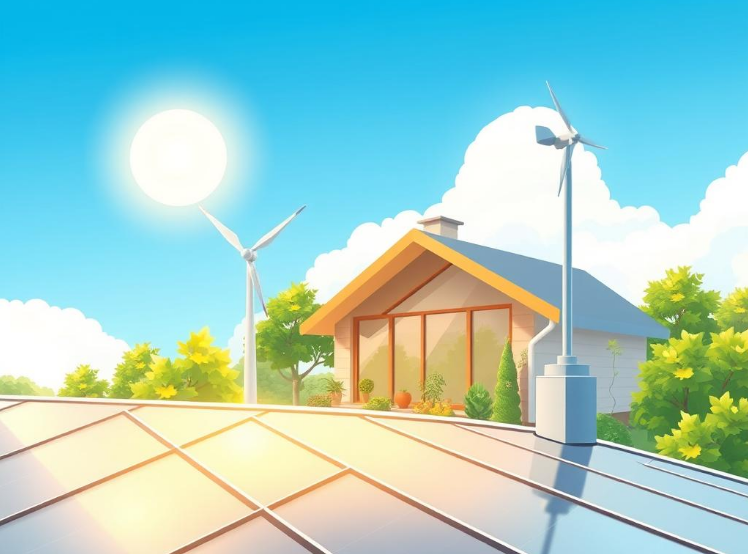
Solar energy has emerged as a transformative solution for sustainable power generation across residential and commercial landscapes. The potential for energy cost savings drives increasing adoption of photovoltaic technologies across the United States.
Modern solar installations offer significant financial advantages through strategic design and intelligent implementation. Property owners can leverage multiple benefits by understanding key energy efficiency metrics that optimize solar system performance.
Residential Solar Installation Cost-Benefit Analysis
Homeowners considering solar investments should evaluate critical factors impacting renewable energy payback period:
- Average system size for residential installations: 5-10 kW
- Typical installation costs: $2.50-$3.50 per watt
- Expected payback period: 6-10 years
- Federal Investment Tax Credit: 30% of total installation expenses
Commercial-Scale Solar Projects and Grid Integration
Large-scale solar solutions provide businesses unprecedented opportunities to reduce operational expenses. Strategic grid integration enables companies to optimize energy consumption, leverage net metering policies, and demonstrate corporate sustainability commitments.
Commercial solar projects can dramatically reduce electricity expenses by implementing smart design strategies that maximize energy production and minimize grid dependence.
Wind Energy Solutions for Various Scales and Budgets
Wind energy represents a powerful component of distributed energy resources, offering versatile solutions for different scales and budget constraints. From residential installations to utility-scale projects, wind power continues to evolve as a critical strategy for energy system performance and infrastructure optimization.
Wind energy technologies provide unique advantages across multiple implementation levels:
- Residential Scale (1-10 kW)
- Ideal for rural properties
- Requires consistent wind speeds above 10 mph
- Best suited for supplemental power generation
- Commercial Scale (10-100 kW)
- Agricultural and small business applications
- Higher energy production potential
- More complex installation requirements
- Utility Scale (100+ kW)
- Large wind farms with significant electricity generation
- Advanced turbine technologies
- Lowest per-kilowatt generation costs
Modern wind turbine designs have dramatically improved energy infrastructure optimization. Larger rotor diameters and taller towers now capture more consistent wind resources, increasing overall system performance and economic viability.
Environmental considerations remain crucial. Innovative design strategies help mitigate potential wildlife impacts, noise concerns, and visual landscape disruptions. Potential wind energy adopters should carefully evaluate local wind patterns, zoning regulations, and site-specific characteristics before implementation.
Sustainable Energy Solutions Efficiency: Optimizing Performance Across All Systems
Sustainable energy systems require sophisticated approaches to maximize efficiency and deliver optimal performance. Energy performance optimization has become critical in modern renewable energy strategies, ensuring that every component of the system operates at peak potential.
Innovative technologies and intelligent management techniques are transforming how we approach energy efficiency standards and grid modernization. The key lies in creating integrated solutions that balance technological capabilities with economic considerations.
Energy Storage Technologies That Enhance System Efficiency
Advanced energy storage solutions are revolutionizing sustainable energy ROI by addressing critical challenges in renewable power generation. Key developments include:
- Lithium-ion battery systems for residential and commercial applications
- Flow battery technologies with extended lifecycle capabilities
- Solid-state battery innovations improving energy density
Smart Grid Integration for Maximum Resource Utilization
Smart grid technologies enable seamless coordination between various energy resources, creating more resilient and adaptable power networks. These intelligent systems leverage:
- Advanced inverter technologies
- Demand response capabilities
- Virtual power plant concepts
Performance Monitoring and Continuous Improvement Strategies
Ongoing performance tracking is essential for maintaining long-term energy efficiency. Modern monitoring platforms provide real-time insights into system performance, enabling proactive maintenance and optimization.
| Monitoring Parameter | Tracking Frequency | Key Performance Indicator |
|---|---|---|
| Power Generation | Real-time | Kilowatt-hours produced |
| System Efficiency | Monthly | Energy conversion rate |
| Maintenance Needs | Quarterly | Component performance |
By implementing comprehensive monitoring and optimization strategies, organizations can significantly enhance their sustainable energy systems’ overall performance and economic value.
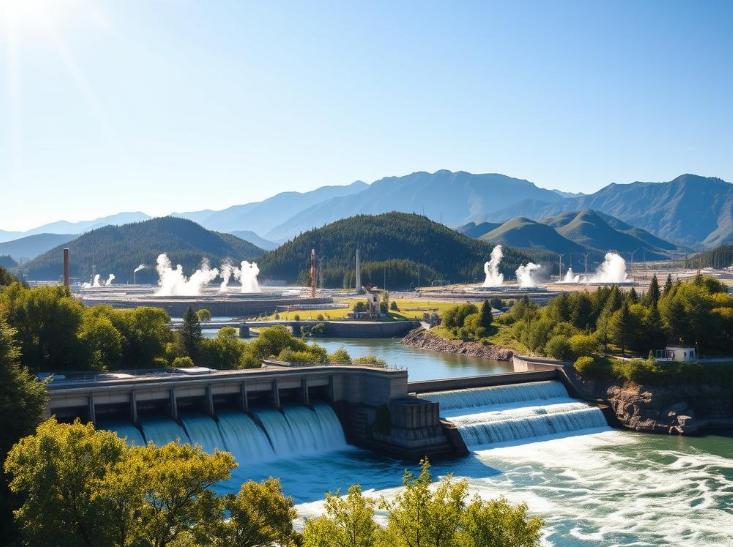
Geothermal and Hydroelectric Options for Long-Term Sustainability
Renewable energy transition strategies extend beyond solar and wind power. Geothermal and hydroelectric technologies offer unique sustainable power systems that provide exceptional efficiency in specific geographic contexts.
Geothermal energy presents remarkable opportunities for both heating and electricity generation. These systems leverage underground temperature stability to create highly efficient energy solutions. In regions with suitable geological conditions, geothermal technologies can dramatically reduce carbon emissions and energy costs.
- Geothermal heat pumps provide 3-5 times higher performance than traditional HVAC systems
- Electricity generation concentrates in western United States tectonic regions
- Long-term operational savings offset initial installation expenses
Hydroelectric power remains a critical component of environmental impact assessment strategies. While large-scale dam projects are largely developed, emerging technologies focus on innovative approaches:
- Micro-hydro systems under 100 kW for property-level generation
- Run-of-river configurations minimizing ecosystem disruption
- Upgrades to existing non-powered dam infrastructure
“Sustainable energy solutions must adapt to local geographical strengths” – Clean Energy Research Institute
The potential for geothermal and hydroelectric technologies varies significantly across different landscapes. Successful implementation requires careful evaluation of local environmental conditions, infrastructure capabilities, and long-term sustainability goals.
Emerging Technologies: Hydrogen Fuel Cells and Beyond
The landscape of clean energy implementation is rapidly evolving, with hydrogen fuel cells emerging as a promising frontier in renewable energy efficiency. These innovative technologies represent a critical solution for decarbonizing sectors that traditional renewable sources cannot easily address.
Hydrogen fuel cells offer a unique approach to energy infrastructure optimization by providing versatile clean energy solutions across multiple industries. The technology converts hydrogen into electricity through an electrochemical process, generating power with zero harmful emissions.
Investment Requirements and Scalability Potential
The current landscape of hydrogen technology reveals significant investment opportunities:
- Initial production costs remain high
- Ongoing research reduces manufacturing expenses
- Scalability depends on technological advancements
Real-World Applications and Case Studies
Practical implementations of hydrogen fuel cells are expanding across various sectors:
| Sector | Application | Current Status |
|---|---|---|
| Transportation | Commercial Fleet Vehicles | Emerging |
| Industrial | Backup Power Systems | Growing |
| Maritime | Shipping Propulsion | Experimental |
Hydrogen technology represents a promising pathway toward comprehensive decarbonization, bridging gaps where direct electrification proves challenging.
Creating a Customized Energy Strategy for Your Needs
Developing a tailored sustainable energy solutions strategy requires a comprehensive approach that goes beyond one-size-fits-all recommendations. Your unique energy needs demand a nuanced strategy that maximizes efficiency and delivers optimal energy ROI.
The foundation of an effective energy strategy starts with a detailed energy audit. This critical first step helps identify:
- Current energy consumption patterns
- Peak demand periods
- Potential efficiency improvement opportunities
- Geographic and property-specific renewable resource potential
Cost-effective energy solutions begin with understanding your specific circumstances. Consider these key factors when crafting your strategy:
- Property characteristics and renewable resource availability
- Current energy costs and rate structures
- Budget and financing options
- Long-term sustainability goals
Lifecycle cost analysis plays a crucial role in selecting the right sustainable energy technologies. A phased approach often works best, starting with energy efficiency upgrades and potentially expanding to solar installations, battery storage, and additional renewable technologies as your needs and resources evolve.
Professional energy assessments can provide invaluable insights, helping you navigate complex decisions and select the most appropriate sustainable energy solutions efficiency strategies for your specific situation.
Conclusion
The journey toward sustainable energy is no longer a distant dream but a practical reality for individuals and businesses across the United States. Renewable energy efficiency has transformed from an experimental concept to a mainstream solution that delivers tangible economic and environmental benefits. By exploring diverse energy transition strategies, consumers can craft personalized approaches that align with their unique needs and resources.
Solar and wind technologies have emerged as powerful pillars of sustainable energy solutions efficiency. Their dramatically reduced costs and improved performance make them attractive alternatives to traditional energy sources. Property owners now have unprecedented opportunities to reduce carbon footprints while simultaneously generating financial savings and increasing energy independence.
Strategic implementation remains key to maximizing renewable energy potential. Conducting comprehensive energy audits, leveraging available incentives, and developing phased adoption plans can help individuals and organizations navigate the transition effectively. The evolving landscape of sustainable technologies continues to expand possibilities, making now an ideal time to invest in clean energy infrastructure.
Ultimately, sustainable energy represents more than an environmental choice—it’s a forward-thinking investment in economic resilience, technological innovation, and community well-being. With continuing advancements in renewable energy efficiency, the path to a cleaner, more sustainable future has never been more accessible or compelling.
FAQ
What are the primary sustainable energy technologies available for homeowners?
The main sustainable energy technologies for homeowners include solar photovoltaic systems, residential wind turbines, geothermal heat pumps, and battery storage solutions. Solar is currently the most popular and accessible option, with residential installations ranging from 5-10 kW and offering significant long-term energy savings.
How much does a typical residential solar installation cost?
A typical residential solar installation costs between $15,000 and $25,000 before incentives. However, the 30% federal Investment Tax Credit can substantially reduce this cost. The average payback period is typically 6-10 years, with systems designed to last 25-30 years, providing significant long-term financial benefits.
Are sustainable energy solutions really cost-effective?
Yes, sustainable energy solutions have become increasingly cost-effective. Many renewable technologies like solar and wind have achieved grid parity in most American markets. When factoring in federal tax credits, state incentives, and long-term energy savings, these solutions often provide competitive or superior financial returns compared to traditional energy sources.
What factors should I consider before installing renewable energy systems?
Key considerations include your property’s location, available solar or wind resources, roof orientation, energy consumption patterns, local utility regulations, available incentives, upfront costs, and long-term financial goals. A professional energy assessment can help determine the most suitable sustainable energy strategy for your specific circumstances.
How do energy storage technologies improve sustainable energy systems?
Energy storage technologies like lithium-ion batteries transform intermittent renewable generation into reliable, dispatchable power. They enable time-of-use optimization, provide backup power during outages, improve overall system economics, and allow for greater energy independence by storing excess energy generated during peak production times.
What government incentives are available for sustainable energy investments?
Current incentives include the 30% federal Investment Tax Credit for solar installations, state-level rebates, net metering policies, property tax exemptions, and various local incentives. These can significantly reduce initial installation costs and improve the financial attractiveness of sustainable energy solutions.
Are sustainable energy technologies suitable for all geographic locations?
Different technologies perform better in specific regions. Solar works well in sunny states like California and Arizona, wind energy is most effective in plains states like Texas and Iowa, and geothermal heat pumps are more efficient in areas with consistent ground temperatures. A professional assessment can help determine the most appropriate technology for your specific location.
How long do sustainable energy systems typically last?
Most solar panel systems are designed with 25-30 year warranties, wind turbines can last 20-25 years, and geothermal heat pumps typically have a 20-25 year lifespan. Proper maintenance and periodic component replacement can help maximize the longevity and performance of these sustainable energy investments.