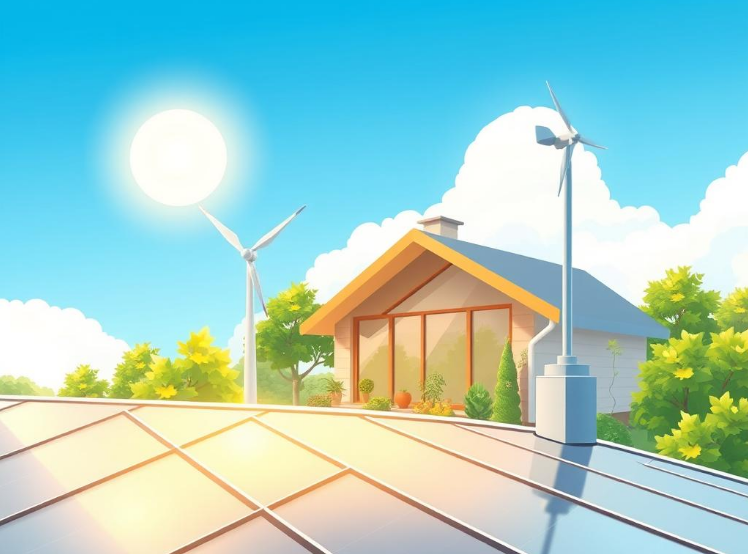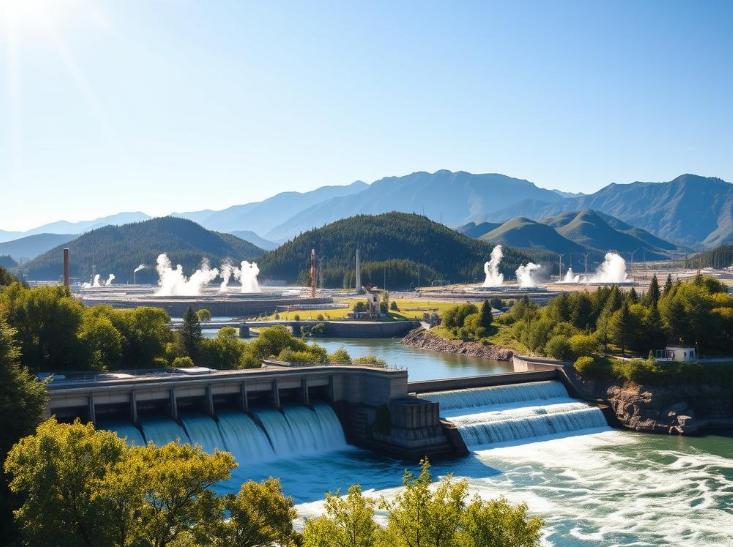


Did you know that the United States could generate 100% of its electricity from renewable sources by 2035? This stunning revelation highlights the transformative potential of sustainable energy solutions in reshaping our national power infrastructure.
Clean energy technology has rapidly evolved, offering Americans unprecedented opportunities for energy independence. Renewable power sources are no longer distant dreams but practical, cost-effective alternatives to traditional fossil fuels.
The transition to sustainable energy solutions represents more than an environmental strategy—it’s an economic revolution. Innovative technologies are driving down costs, creating jobs, and providing Americans with reliable, clean power options that protect both their wallets and the planet.
From solar panels to wind turbines, modern clean energy technology enables households and businesses to reduce carbon footprints while securing predictable, affordable electricity. This comprehensive guide will explore the cutting-edge renewable energy landscape transforming America’s power generation.
Our journey through sustainable energy solutions will demonstrate how intelligent investments in green technology can deliver immediate economic benefits and long-term environmental sustainability. Welcome to the future of American energy.
The Urgent Need for Clean Energy Transformation
The United States stands at a critical juncture in its energy strategy. Fossil fuel alternatives are no longer just an environmental choice—they’re an economic imperative. Carbon emissions reduction has become a national priority as climate change threatens communities across the country.
The challenges of continuing our reliance on traditional energy sources are profound:
- Escalating environmental risks from greenhouse gas emissions
- Increasing frequency of extreme weather events
- Rising economic costs of climate-related disasters
- Vulnerability of energy infrastructure
“Our energy choices today will define our environmental and economic landscape for generations to come.” – Energy Policy Institute
Climate change mitigation requires a comprehensive approach to energy transformation. Renewable technologies offer a pathway to reduce carbon footprints while creating economic opportunities. Clean energy sectors are generating jobs, driving innovation, and providing sustainable solutions that traditional fossil fuel industries cannot match.
The transition is not just about environmental protection—it’s about building a resilient, forward-thinking energy ecosystem that secures America’s economic and national security interests.
Understanding Sustainable Energy Solutions
Sustainable energy represents a critical pathway to addressing global environmental challenges while meeting growing power demands. These renewable energy sources offer a transformative approach to electricity generation that goes beyond traditional fossil fuel technologies.
Modern sustainable energy solutions are characterized by their ability to generate power with minimal environmental impact. The core principles of sustainable energy focus on three fundamental aspects:
- Natural resource regeneration
- Low carbon emissions
- Long-term ecological balance
What Makes Energy Truly Sustainable
Sustainable energy sources distinguish themselves through key characteristics that set them apart from conventional power generation methods. These renewable energy sources are naturally replenished and produce minimal greenhouse gas emissions during operation.
The Triple Bottom Line: Environmental, Economic, and Social Benefits
Sustainable energy solutions deliver comprehensive advantages across multiple dimensions:
| Dimension | Key Benefits |
|---|---|
| Environmental | Reduced carbon emissions, minimal pollution, ecosystem preservation |
| Economic | Energy cost savings, price stability, reduced infrastructure expenses |
| Social | Job creation, improved public health, enhanced energy access |
The economic advantages of sustainable energy are particularly compelling. Energy cost savings become increasingly significant as renewable technologies continue to advance and become more efficient. Communities and businesses can benefit from lower long-term energy expenses while supporting environmental conservation efforts.
Sustainable energy is not just an alternative—it’s the future of responsible power generation.
Solar Power: Harnessing the Sun’s Unlimited Potential
Solar power represents a revolutionary approach to generating sustainable electricity in the United States. Solar panel systems have transformed how we think about energy production, offering an innovative solution to traditional power generation methods.
The technology behind solar power is surprisingly straightforward. Photovoltaic panels convert sunlight directly into electrical energy, providing distributed energy resources that can power homes, businesses, and entire communities. These systems have become increasingly efficient and affordable over the past decade.
- Residential rooftop installations reduce electricity bills
- Large-scale solar farms generate power for entire regions
- Advanced panels maximize energy production in limited spaces
Different solar configurations offer unique benefits for various needs:
- Grid-tied systems: Connect directly to local electrical infrastructure
- Off-grid systems: Provide complete energy independence
- Hybrid systems: Include battery storage for backup power
Community solar programs now allow renters and homeowners with unsuitable roofs to participate in sustainable electricity generation. The costs have dropped dramatically, making solar panel systems an increasingly attractive investment for property owners seeking long-term energy solutions.
Wind Energy: Capturing Nature’s Power for Electricity Generation
Wind energy represents a pivotal breakthrough in renewable power generation, transforming how we produce clean electricity across the United States. As a sustainable energy solution, wind turbine technology continues to revolutionize our approach to power production, offering an environmentally friendly alternative to traditional fossil fuel sources.
Onshore Wind Farms and Their Growing Impact
Onshore wind farms have emerged as a critical component of clean energy infrastructure, particularly in wind-rich regions across the country. The Great Plains, Texas, and Midwestern states have become powerhouses of wind energy production, leveraging advanced wind turbine technology to generate substantial electricity.
- Modern turbines can generate up to 2.5 megawatts of power
- Increased tower heights capture more consistent wind streams
- Economic benefits for rural communities through land lease payments
Offshore Wind Technology Advancements
Coastal states are now exploring offshore wind opportunities, developing innovative platforms that can access deeper waters with stronger, more consistent wind patterns. These floating wind turbine technologies represent the next frontier in renewable power generation.
| Offshore Wind Advantages | Key Benefits |
|---|---|
| Stronger Wind Resources | More consistent energy production |
| Proximity to Urban Centers | Reduced transmission infrastructure costs |
| Minimal Land Use | Reduced environmental disruption |
As wind energy technology continues to advance, it promises to play an increasingly significant role in America’s transition to sustainable, clean energy solutions.
Hydroelectric Power and Modern Water-Based Energy Systems
Hydropower systems represent a cornerstone of green power alternatives in renewable energy. These innovative water-based energy solutions have been generating electricity for decades, providing a reliable and clean power source across the United States.
The core of hydroelectric power lies in its ability to transform flowing water into electrical energy. Traditional hydropower systems typically involve large dams that create reservoirs, allowing water to flow through turbines and generate electricity. Modern approaches have expanded this concept, introducing more environmentally conscious methods.
- Run-of-river hydroelectric installations minimize environmental disruption
- Advanced turbine technologies increase energy efficiency
- Fish-friendly designs protect aquatic ecosystems
Emerging green power alternatives in water energy are pushing technological boundaries. Tidal energy systems and wave energy converters offer exciting new possibilities for coastal regions. These innovations capture ocean movements to generate electricity, presenting sustainable alternatives to traditional hydropower methods.
Pumped-storage hydropower has emerged as a critical energy storage solution. This technology works by moving water between reservoirs at different elevations, effectively storing excess electricity during low-demand periods and releasing it during peak consumption times.
The Pacific Northwest remains a prime example of successful hydropower implementation, with numerous facilities generating substantial clean electricity while minimizing environmental impact.
Geothermal Energy: Tapping Into Earth’s Internal Heat
Renewable energy sources continue to revolutionize our approach to sustainable power generation. Geothermal energy stands out as a remarkable solution that harnesses the Earth’s natural heat to produce clean, reliable electricity and heating.
Geothermal heating represents an innovative way to leverage the planet’s consistent underground temperature. The technology draws energy directly from beneath the Earth’s surface, providing an environmentally friendly alternative to traditional heating methods.
How Geothermal Systems Operate
Geothermal systems work through two primary approaches:
- Electricity Generation: Power plants extract high-temperature steam or hot water from underground reservoirs
- Direct Heating: Ground-source heat pumps transfer thermal energy from shallow underground areas
Three main types of geothermal power plants exist:
- Dry Steam Plants: Use steam directly from underground reservoirs
- Flash Steam Plants: Convert high-pressure hot water into steam
- Binary Cycle Plants: Transfer heat from geothermal water to another liquid with a lower boiling point
Geographic Potential and Limitations
While high-temperature geothermal resources concentrate in western states like California, Nevada, Utah, and Idaho, geothermal heating systems can be installed nationwide. The consistent underground temperature makes these systems versatile across different geographic regions.
Geothermal energy offers 24/7 power generation independent of weather conditions, making it a stable renewable energy source.
Despite initial installation costs, geothermal systems provide significant long-term energy savings and minimal environmental impact, positioning them as a compelling option in the renewable energy landscape.
Energy Storage Technologies Revolutionizing the Grid
Battery storage systems are transforming the landscape of modern energy infrastructure. These innovative technologies are crucial for enhancing power grid reliability and supporting the integration of renewable energy sources. As solar and wind power continue to expand, energy storage solutions provide the missing link in creating a stable and efficient electrical grid.
The advancement of battery technologies has been remarkable in recent years. Key developments include:
- Significant cost reductions in lithium-ion batteries
- Improved energy density and storage capacity
- Enhanced grid modernization capabilities
- Increased resilience for electrical infrastructure
Grid modernization efforts are now focusing on sophisticated storage solutions that can address several critical energy challenges. Utility-scale battery installations are becoming increasingly sophisticated, offering multiple benefits:
- Frequency regulation
- Voltage support
- Backup power during outages
- Peak demand management
Emerging technologies like flow batteries and thermal storage systems are expanding the potential of energy storage. These innovations enable more flexible and responsive electrical grids, supporting the transition to cleaner, more sustainable energy solutions.
Energy storage is the key to unlocking the full potential of renewable energy sources.
The economic implications are significant. Battery storage systems help reduce the need for expensive peaker power plants and defer costly infrastructure upgrades. As technologies continue to improve, we can expect even more efficient and affordable grid storage solutions in the coming years.
The Economic Case for Renewable Energy Adoption
The energy transition is rapidly transforming the economic landscape of power generation in the United States. Renewable energy has emerged as a powerful financial opportunity, offering substantial benefits for businesses, communities, and individual consumers.
Cost Comparisons with Fossil Fuels
Clean energy solutions are now demonstrably more cost-effective than traditional fossil fuel sources. The levelized cost of energy for solar and wind power has dramatically decreased, making renewable technologies increasingly competitive in the market.
- Solar panel installations can reduce electricity costs by up to 70%
- Wind energy provides electricity at significantly lower rates than coal
- Energy cost savings are realized through zero fuel expenses and lower maintenance
Job Creation in the Green Energy Sector
The clean energy jobs market is experiencing unprecedented growth, creating diverse employment opportunities across multiple skill levels. The energy transition is generating robust economic activity in manufacturing, installation, and maintenance sectors.
| Renewable Energy Sector | Jobs Created (2022) | Projected Growth |
|---|---|---|
| Solar Installation | 231,474 | 15% annual increase |
| Wind Turbine Technicians | 84,290 | 45% growth by 2030 |
| Energy Efficiency Services | 2.1 million | 12% annual expansion |
Investments in renewable infrastructure are not just environmentally responsible but represent a significant economic opportunity. Local communities benefit from job creation, increased tax revenues, and sustainable economic development.
Smart Grid Technology and Energy Efficiency Innovations
The electrical grid is undergoing a remarkable transformation through advanced smart grid technology and energy efficiency innovations. Grid modernization is revolutionizing how electricity is delivered and consumed across the United States, creating a more responsive and intelligent energy ecosystem.
Smart grid technologies are driving significant improvements in distributed energy resources and overall system performance. Key innovations include:
- Advanced digital communication systems
- Real-time energy consumption monitoring
- Automated control mechanisms
- Intelligent sensor networks
Energy efficiency has reached new heights with cutting-edge technologies that optimize electricity consumption. Smart meters provide consumers and utilities with unprecedented insights into energy usage patterns. These devices enable time-of-use pricing strategies that encourage electricity consumption during low-demand periods.
Residential and commercial properties are now embracing intelligent energy management solutions. Smart home technologies like programmable thermostats and automated lighting systems help reduce energy waste while maintaining comfort and productivity.
The integration of distributed energy resources has become seamless through sophisticated grid management platforms. Electric vehicles, rooftop solar panels, and battery storage systems can now actively contribute to grid stability, creating a more dynamic and resilient energy infrastructure.
Emerging technologies such as artificial intelligence and machine learning are further enhancing grid operations. These advanced algorithms predict energy demand patterns, optimize resource allocation, and support the transition toward more sustainable energy systems.
Government Policies and Incentives Driving Clean Energy Growth
The United States government has implemented powerful renewable energy incentives to accelerate the transition to sustainable power sources. These strategic policies are designed to make clean energy more accessible and financially attractive for individuals and businesses alike.
Federal Tax Credits Powering Clean Energy Investments
Federal tax credits have become a critical mechanism for promoting renewable energy adoption. The Investment Tax Credit (ITC) and Production Tax Credit (PTC) offer substantial financial benefits for clean energy projects.
- Solar Energy Tax Credit: Allows homeowners to deduct 30% of solar installation costs
- Wind Energy Production Credit: Provides per-kilowatt-hour incentives for wind power generation
- Geothermal Heat Pump Credits: Supports energy-efficient home heating and cooling systems
State-Level Renewable Energy Standards
Complementing federal initiatives, state-level renewable energy standards create robust frameworks for clean energy growth. These standards mandate utilities to source a specific percentage of electricity from renewable sources.
| State | Renewable Energy Target | Key Incentives |
|---|---|---|
| California | 60% by 2030 | Net metering, property tax exemptions |
| New York | 70% by 2030 | Solar equipment sales tax exemption |
| Texas | 50% by 2040 | Renewable Energy Credit markets |
These renewable energy incentives and federal tax credits are transforming the energy landscape, making sustainable solutions more economically viable and accelerating the shift toward a cleaner future.
Overcoming Challenges in the Transition to Clean Energy
The energy transition presents complex challenges that require innovative solutions and strategic planning. Clean energy infrastructure must address multiple critical barriers to create a sustainable power ecosystem.
Key challenges in the renewable energy landscape include:
- Intermittency of Renewable Sources: Solar and wind power generation fluctuate with weather conditions, demanding advanced storage and grid management strategies
- Grid Integration Complexity: Connecting diverse renewable energy sources requires significant technological and infrastructure investments
- Economic Transformation: Supporting workforce transitions from traditional fossil fuel industries
Technological innovations are rapidly addressing these energy transition obstacles. Battery storage systems, smart grid technologies, and advanced forecasting methods are helping stabilize renewable energy production. Utility-scale batteries can now store excess electricity generated during peak production times, ensuring consistent power supply during low-generation periods.
The clean energy infrastructure development also requires substantial policy support. Government incentives, streamlined permitting processes, and strategic investment in renewable energy research can accelerate the transition. Workforce retraining programs are crucial in helping communities adapt to the changing energy landscape.
The path to sustainable energy is not about eliminating challenges, but systematically solving them through innovation and collaboration.
By embracing technological advancements and maintaining a comprehensive approach, the United States can successfully navigate the complex journey toward a robust, reliable clean energy future.
Conclusion
The journey toward sustainable energy solutions represents a transformative moment for the United States. Renewable technologies have rapidly evolved from experimental alternatives to mainstream power sources, offering a compelling pathway to net zero emissions and energy independence. Solar, wind, hydroelectric, and geothermal power now stand as robust, economically viable options for meeting the nation’s electricity needs.
Renewable energy delivers far more than environmental benefits. It creates economic opportunities, generates jobs across multiple sectors, and provides a strategic approach to reducing dependence on imported fossil fuels. The economic case for sustainable energy solutions has become increasingly strong, with technological advancements driving down costs and improving reliability.
Individuals and communities can play a crucial role in accelerating the clean energy transition. By supporting renewable energy policies, investing in home energy efficiency, and choosing green energy options, Americans can contribute to a more sustainable future. The path to net zero emissions is not a distant dream but an achievable goal within our current technological capabilities.
The sustainable energy revolution is already underway, promising cleaner air, lower energy costs, and greater energy security. As innovations continue to emerge, the United States stands poised to lead the global transformation toward a more resilient and environmentally responsible energy landscape.
FAQ
What are sustainable energy solutions?
Sustainable energy solutions are renewable power sources like solar, wind, hydroelectric, and geothermal energy that generate electricity with minimal environmental impact, reduce carbon emissions, and provide long-term, cost-effective alternatives to fossil fuels.
How much can I save by switching to renewable energy?
Savings vary by location and system, but homeowners can typically reduce electricity bills by 50-90% with solar installations, with payback periods ranging from 5-10 years and potential lifetime savings of $10,000-$30,000 depending on local electricity rates and available incentives.
Are renewable energy technologies reliable?
Modern renewable technologies are increasingly reliable, with advanced energy storage systems, grid integration, and diverse generation sources ensuring consistent power supply. Battery storage and smart grid technologies help manage intermittency challenges of solar and wind power.
What federal incentives exist for renewable energy adoption?
The federal government offers the Investment Tax Credit (ITC) for solar installations, Production Tax Credit (PTC) for wind energy, and various rebates for energy-efficient home improvements and electric vehicle purchases.
Can I use renewable energy if I rent or have an unsuitable roof?
Yes, community solar programs and green energy purchasing options allow renters and those with unsuitable roofs to support and benefit from renewable energy without direct installation.
How do energy storage technologies work?
Energy storage technologies like lithium-ion batteries store excess electricity generated during peak production times (sunny or windy periods) and release it when generation is low or demand is high, enabling more stable and flexible renewable energy systems.
What are the environmental benefits of sustainable energy?
Sustainable energy solutions significantly reduce carbon emissions, minimize air and water pollution, protect natural ecosystems, and help mitigate climate change impacts while providing clean, renewable power sources.
How are geothermal systems different from other renewable energy sources?
Geothermal energy uniquely taps into the Earth’s internal heat for electricity generation and direct heating, providing 24/7 power generation independent of weather conditions and with a very small physical footprint.
What job opportunities exist in the clean energy sector?
The renewable energy sector offers diverse jobs including solar panel installation, wind turbine manufacturing and maintenance, energy efficiency consulting, engineering, and project management, with growing employment across skill levels.
How do smart grid technologies improve energy efficiency?
Smart grid technologies use digital communication and advanced sensors to optimize electricity distribution, enable real-time consumption monitoring, facilitate demand response programs, and integrate distributed energy resources more effectively.