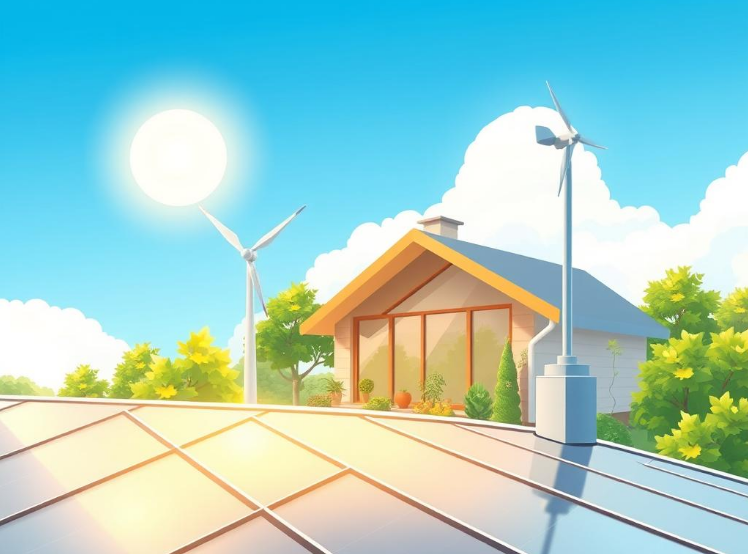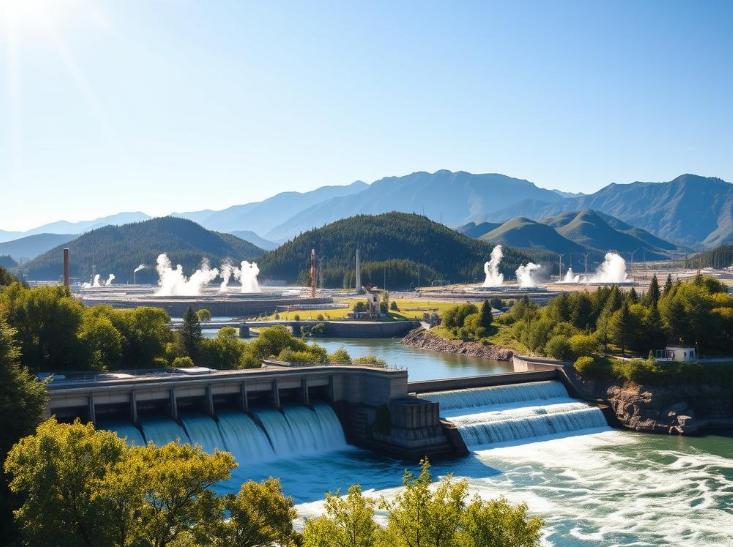

A remarkable 75% of Americans now support renewable energy development, signaling a profound shift in how communities approach clean energy initiatives. This groundbreaking statistic reveals the growing momentum behind community sustainable energy projects across the United States.
Renewable energy communities are no longer a distant dream but a tangible reality. Local neighborhoods and towns are taking bold steps to transform their energy landscape, moving away from traditional utility models toward more sustainable and resilient solutions.
Clean energy initiatives are emerging as powerful tools for community empowerment. From rural towns in Kansas to urban centers in California, residents are discovering the potential to generate their own power, reduce carbon footprints, and create economic opportunities through innovative energy strategies.
The movement represents more than just technological innovation. It embodies a grassroots approach to addressing climate challenges, demonstrating how local action can drive significant environmental and economic change. Communities are proving that sustainable energy is not just possible—it’s increasingly practical and desirable.
As energy landscapes continue to evolve, these community-driven approaches are setting new standards for how we think about power generation, distribution, and consumption. The future of energy is local, collaborative, and increasingly green.
The Growing Movement Toward Local Energy Independence
Communities across the United States are pioneering a revolutionary approach to energy production. Local energy projects are transforming how people think about power generation, shifting from traditional utility models to citizen-led energy initiatives that prioritize sustainability and local control.
The drive toward energy independence stems from several critical motivations:
- Increased desire for local economic resilience
- Reduction of carbon footprint
- Greater community control over energy resources
- Protection against utility price fluctuations
Why Communities Are Taking Energy Matters Into Their Own Hands
Technological advances have made renewable energy more accessible than ever before. Small towns and urban neighborhoods are discovering they can generate their own clean energy, creating jobs and keeping economic benefits within local ecosystems. These citizen-led energy initiatives are not just environmental statements but strategic economic investments.
Economic and Environmental Drivers Behind the Shift
The dual benefits of community energy projects are clear. Economically, they create local employment, stabilize energy costs, and generate revenue streams. Environmentally, they dramatically reduce carbon emissions and demonstrate a commitment to sustainable practices.
“Community energy is about more than power generation—it’s about empowering people to control their energy future.”
By embracing local energy projects, communities are proving that sustainable energy solutions can be both economically viable and environmentally responsible.
Understanding Community Sustainable Energy Models
Community-owned renewable energy represents a powerful approach to transforming local energy landscapes. Energy cooperatives are emerging as innovative solutions that empower communities to take control of their energy production and distribution. These models enable residents to collectively invest in and manage distributed energy resources, creating sustainable and resilient local energy systems.
Different community energy models offer unique benefits and structures:
- Member-owned energy cooperatives
- Community choice aggregation programs
- Public-private energy partnerships
- Shared solar and wind initiatives
The key advantages of these community-owned renewable energy approaches include:
- Enhanced local economic development
- Increased energy independence
- Lower consumer energy costs
- Reduced carbon footprint
| Energy Model | Ownership Structure | Primary Benefits |
|---|---|---|
| Energy Cooperative | Member-controlled | Democratic decision-making |
| Community Aggregation | Local government-led | Bulk purchasing power |
| Public-Private Partnership | Shared governance | Balanced expertise and investment |
Distributed energy resources are transforming how communities approach energy production. By enabling local generation and consumption, these models create more resilient and sustainable energy ecosystems that benefit both residents and the environment.
“Community energy models democratize renewable energy, making it accessible to everyone, not just those who can afford individual installations.”
Solar Power Initiatives Transforming Neighborhoods
Solar energy is revolutionizing how communities approach renewable power generation. Neighborhood solar projects are creating innovative pathways for residents to access clean energy, regardless of their individual home’s solar potential.
The rise of community solar programs has democratized renewable energy access, enabling residents who previously couldn’t install personal solar panels to participate in shared renewable energy initiatives.
Community Solar Gardens: A Collaborative Approach
Community solar gardens represent a groundbreaking solution for sustainable energy development. These centralized solar installations allow multiple community members to:
- Purchase or lease portions of a shared solar array
- Receive utility bill credits based on their investment
- Access renewable energy without rooftop installation
Key benefits include expanding solar accessibility for renters, apartment dwellers, and homeowners with unsuitable roof conditions.
Rooftop Solar Cooperatives in Urban Environments
Urban neighborhoods are pioneering collaborative solar strategies. Rooftop solar cooperatives enable dense residential areas to collectively overcome traditional solar installation challenges by:
- Pooling resources across multiple buildings
- Sharing infrastructure costs
- Navigating complex property ownership scenarios
These innovative approaches demonstrate how community-driven solar programs can transform local energy landscapes, making renewable energy more inclusive and achievable for diverse populations.
Wind Energy Projects at the Community Level
Community wind farms have emerged as a powerful solution for local renewable energy production. These grassroots power projects transform rural landscapes by harnessing wind resources directly for community benefit. Unlike massive commercial wind installations, community wind projects are typically smaller in scale but significant in local impact.
The development of community power projects involves several critical steps:
- Wind resource assessment of local terrain
- Detailed site selection analysis
- Environmental impact review
- Community engagement and stakeholder consultation
Rural communities in wind-rich states like Minnesota, Iowa, and Kansas have become pioneers in local renewable energy strategies. These regions leverage their geographical advantages to create sustainable energy solutions that generate both electricity and economic opportunities.
“Community wind projects are not just about generating power—they’re about empowering local economies,” says renewable energy expert Sarah Thompson.
The economic benefits of community wind farms extend beyond clean energy production. These projects typically provide:
- Lease payments to local landowners
- Increased municipal tax revenues
- Local job creation
- Direct community investment returns
| State | Community Wind Capacity | Annual Economic Impact |
|---|---|---|
| Minnesota | 235 MW | $42 million |
| Iowa | 312 MW | $58 million |
| Kansas | 178 MW | $32 million |
By investing in community wind farms, local regions are taking decisive steps toward energy independence, environmental sustainability, and economic resilience.
Microgrids and Localized Energy Distribution Systems
Decentralized energy systems are revolutionizing how communities approach power generation and distribution. Microgrids represent a cutting-edge solution for sustainable power systems, offering unprecedented energy resilience and local control over electricity infrastructure.
These innovative energy networks function as small-scale power grids that can operate independently from the traditional centralized electrical grid. By integrating local generation sources, storage capabilities, and intelligent control systems, microgrids provide communities with remarkable flexibility and reliability.
Enhancing Community Resilience During Emergencies
Microgrids play a critical role in maintaining power during unexpected disruptions. Their unique capabilities include:
- Automatic disconnection from main grid during outages
- Rapid power restoration for critical infrastructure
- Seamless integration of renewable energy sources
- Enhanced protection against widespread electrical failures
Real-World Success Stories
Communities across the United States have successfully implemented microgrid technologies, demonstrating the potential of decentralized energy systems.
| Location | Microgrid Type | Key Benefits |
|---|---|---|
| Boulder, Colorado | University Campus | 95% Renewable Energy Integration |
| Manhattan, New York | Urban Neighborhood | Critical Infrastructure Protection |
| Santa Barbara, California | Community Resilience Project | Emergency Power Capabilities |
These examples showcase how sustainable power systems can transform local energy infrastructure, providing communities with greater control, reliability, and environmental sustainability.
Community Energy Storage Solutions
Green energy solutions are revolutionizing how communities manage renewable power. Distributed energy resources now rely critically on advanced storage technologies that transform intermittent renewable generation into reliable electricity supplies.
Community-owned renewable energy projects are increasingly adopting sophisticated storage strategies to maximize their energy potential. These innovative approaches help local communities overcome traditional challenges associated with solar and wind power generation.
- Lithium-ion battery systems provide rapid energy storage
- Flow batteries offer longer-duration storage capabilities
- Thermal storage technologies capture excess heat energy
Storage solutions deliver multiple benefits for local energy networks:
| Storage Benefit | Community Impact |
|---|---|
| Peak Demand Reduction | Lower electricity costs |
| Grid Stabilization | Enhanced electrical reliability |
| Backup Power | Increased resilience during outages |
Emerging storage technologies are democratizing energy production, allowing communities to become more self-sufficient and environmentally responsible. By integrating advanced storage systems, neighborhoods can transform their approach to electricity generation and consumption.
“Storage is the key to unlocking renewable energy’s full potential” – Clean Energy Expert
As storage costs continue declining, more communities will embrace these green energy solutions, creating decentralized and resilient power networks that prioritize local needs and sustainable practices.
Financing Models Making Sustainable Energy Accessible
Community energy planning has revolutionized how local energy projects develop financial strategies. Renewable energy communities are increasingly finding innovative ways to fund sustainable infrastructure through creative financing approaches.
Sustainable energy investments require strategic financial planning. Communities now have multiple pathways to transform renewable energy visions into reality.
Crowdfunding and Community Investment Opportunities
Local energy projects are leveraging new investment models that democratize renewable energy funding. These approaches enable residents to directly participate in community energy planning through several key mechanisms:
- Crowdfunding platforms specialized in renewable energy
- Community investment cooperatives
- Shared ownership structures
- Micro-investment programs
“Community-driven financing transforms energy infrastructure from a distant concept to a local reality.”
Government Grants and Incentive Programs
Renewable energy communities benefit from multiple government support mechanisms designed to accelerate sustainable infrastructure development:
| Funding Source | Key Benefits | Typical Investment Range |
|---|---|---|
| Federal Tax Credits | Investment and Production Tax Credits | $50,000 – $500,000 |
| USDA Rural Energy Programs | Support for rural community projects | $25,000 – $250,000 |
| State Renewable Energy Funds | Local infrastructure development | $10,000 – $100,000 |
| PACE Programs | Property-assessed clean energy financing | $5,000 – $50,000 |
Strategic financial approaches enable communities to layer multiple funding sources, making sustainable energy projects increasingly accessible and economically viable.
The Role of Local Government in Supporting Energy Transitions
Local governments play a critical role in advancing municipal energy programs and accelerating community power projects. These local authorities are uniquely positioned to drive sustainable energy transformations by creating supportive policy frameworks and implementing strategic initiatives.
Cities and counties are developing innovative approaches to support local renewable energy adoption through several key strategies:
- Establishing clear renewable energy goals
- Streamlining permitting processes for clean energy installations
- Creating technical assistance programs for community groups
- Implementing community choice aggregation programs
Proactive municipalities are leading by example through direct investments in renewable infrastructure. Public buildings, parks, and municipal lands are being transformed into strategic sites for solar and wind energy generation. These municipal energy programs not only reduce government operational costs but also demonstrate practical renewable energy implementation to residents.
Zoning and land-use policies represent powerful tools for local governments to support community power projects. Progressive municipalities are redesigning regulatory environments to eliminate barriers and encourage renewable energy development. By creating clear, supportive guidelines, local governments can significantly accelerate the transition to sustainable energy systems.
Local governments are the catalysts for community-driven renewable energy transformation.
Strategic public-private partnerships and dedicated clean energy staff are emerging as key mechanisms for implementing comprehensive local renewable energy strategies. These collaborative approaches enable communities to overcome traditional infrastructure and policy challenges.
Overcoming Barriers to Community Energy Adoption
Community clean energy initiatives face significant challenges when implementing sustainable power systems. Breaking through infrastructure and regulatory barriers requires strategic planning and innovative approaches to energy independence.
Addressing Infrastructure Challenges
The transformation of energy infrastructure presents complex technical obstacles for local sustainable power systems. Existing electrical grids were not designed to handle distributed generation from renewable sources. Communities must navigate several critical infrastructure hurdles:
- Upgrading electrical distribution networks
- Implementing advanced grid management technologies
- Developing bidirectional power flow capabilities
- Integrating smart inverter technologies
Innovative solutions like smart grid technologies and strategic system redesigns can help communities overcome these technical limitations. Financing these upgrades remains a crucial step in achieving comprehensive energy independence.
Navigating Regulatory and Policy Obstacles
Regulatory frameworks often lag behind clean energy initiatives, creating significant roadblocks for community-driven sustainable power projects. Local governments and community leaders must proactively address policy challenges:
- Advocating for modern energy regulations
- Collaborating with utility companies
- Leveraging state-level renewable energy policies
- Developing mutually beneficial partnership models
By understanding and strategically addressing infrastructure and regulatory challenges, communities can successfully transform their energy landscapes and move toward more sustainable, locally controlled power systems.
Education and Community Engagement Strategies
Successful citizen-led energy initiatives depend on robust community engagement and education. Transforming neighborhood solar projects requires more than technical expertise—it demands active participation from residents who understand the potential of community energy planning.
Effective community energy education involves multiple strategic approaches:
- Hosting interactive energy workshops
- Creating multilingual informational materials
- Developing partnerships with local schools and libraries
- Organizing community energy demonstration events
Communities can build broader support by implementing inclusive engagement strategies that reach diverse populations. Transparent communication about renewable energy benefits helps overcome potential skepticism and builds trust.
| Engagement Strategy | Target Audience | Key Objective |
|---|---|---|
| Energy Fairs | General Public | Raise Awareness |
| Multilingual Workshops | Diverse Communities | Increase Accessibility |
| School Partnerships | Students and Educators | Future Generation Education |
By prioritizing education and meaningful community involvement, local energy initiatives can create sustainable, long-term momentum for renewable energy transitions.
Measuring the Impact of Community Energy Projects
Tracking the success of local energy projects requires comprehensive impact assessment strategies. Green energy solutions have become increasingly sophisticated in measuring their real-world effectiveness across multiple dimensions.
Communities engaged in distributed energy resources now use advanced methodologies to evaluate project performance. These evaluation frameworks typically focus on three critical areas:
- Environmental Impact
- Economic Contributions
- Social Benefits
Key performance metrics help stakeholders understand the comprehensive value of sustainable energy initiatives. Quantitative measurements provide tangible evidence of project success.
| Measurement Category | Key Metrics | Assessment Method |
|---|---|---|
| Energy Production | Kilowatt-hours generated | Monitoring systems |
| Carbon Reduction | Tons of CO2 avoided | Emissions calculation |
| Economic Impact | Jobs created | Local employment tracking |
“Data transforms community energy projects from experimental initiatives to proven sustainable solutions.”
Successful local energy projects leverage transparent reporting to build community trust and attract future investments. By systematically documenting their achievements, these initiatives demonstrate the transformative potential of grassroots sustainable energy approaches.
Conclusion
The landscape of renewable energy communities is rapidly transforming across the United States. Community sustainable energy initiatives demonstrate that local action can drive significant environmental and economic change. From solar gardens in California to wind cooperatives in Texas, communities are reimagining their energy future with innovative clean energy initiatives.
Local solutions are proving to be powerful catalysts for sustainable development. By embracing community-driven approaches, neighborhoods are reducing carbon footprints, creating economic opportunities, and building more resilient energy systems. The diversity of renewable energy communities shows there’s no single pathway—each community can develop strategies that match their unique resources and needs.
Technological advances and supportive policy environments are making community sustainable energy more accessible than ever before. As solar panel costs continue to drop and energy storage technologies improve, more communities can take control of their energy production. The momentum is clear: local engagement is key to accelerating the transition to clean, renewable energy sources.
The future of energy is local, collaborative, and community-driven. Whether you’re a city official, community leader, or engaged resident, opportunities exist to contribute to this transformative movement. By supporting and participating in clean energy initiatives, we can collectively build more sustainable, resilient, and empowered communities across the nation.
FAQ
What are community sustainable energy solutions?
Community sustainable energy solutions are locally-driven renewable energy projects that allow residents to collectively generate, manage, and distribute clean energy. These initiatives include community solar gardens, wind cooperatives, microgrids, and shared energy storage systems that empower communities to take control of their energy production and consumption.
How do community solar gardens work?
Community solar gardens are centralized solar installations where multiple community members can purchase or lease a portion of the array’s output. Participants receive credits on their utility bills proportional to their share of the solar array, making renewable energy accessible to those who cannot install individual rooftop panels.
What are the economic benefits of community energy projects?
Community energy projects create significant economic advantages, including local job creation, keeping energy dollars within the community, providing stable energy costs, generating local tax revenue, and creating investment opportunities for residents through cooperative ownership models.
How do microgrids enhance community energy resilience?
Microgrids are localized energy systems that can operate independently from the main electrical grid during emergencies. They ensure continuous power supply during outages, protect critical infrastructure like hospitals and emergency services, and provide communities with greater energy security and reliability.
What financing options are available for community energy projects?
Community energy projects can be financed through multiple mechanisms, including crowdfunding platforms, community investment offerings, cooperative financing, government grants, federal tax credits, state-level renewable energy funds, and municipal financing tools like Property Assessed Clean Energy (PACE) programs.
Can renters and low-income households participate in community energy projects?
Yes, community energy models are specifically designed to increase accessibility. Programs like community solar gardens and shared array systems allow renters, low-income households, and those with unsuitable rooftops to participate in renewable energy generation and benefit from clean energy.
What role do local governments play in supporting community energy transitions?
Local governments support community energy transitions by adopting renewable energy goals, streamlining permitting processes, providing technical assistance, implementing community choice aggregation programs, leading by example with municipal renewable installations, and creating supportive zoning and land-use policies.
How do communities measure the impact of their sustainable energy projects?
Communities assess their energy projects using metrics like kilowatt-hours generated, carbon emissions avoided, local job creation, energy cost savings, community participation rates, and overall resilience improvements. They often use standardized reporting tools and third-party verification to track and communicate these impacts.
What types of renewable energy are most common in community projects?
The most common renewable energy types in community projects are solar power and wind energy. Solar is particularly popular due to its scalability and decreasing technology costs, while wind energy is prevalent in rural areas with strong wind resources.
How can individuals get involved in community energy initiatives?
Individuals can get involved by attending local energy workshops, joining community energy cooperatives, participating in crowdfunding campaigns, advocating for supportive local policies, attending city council meetings, and spreading awareness about sustainable energy opportunities in their community.