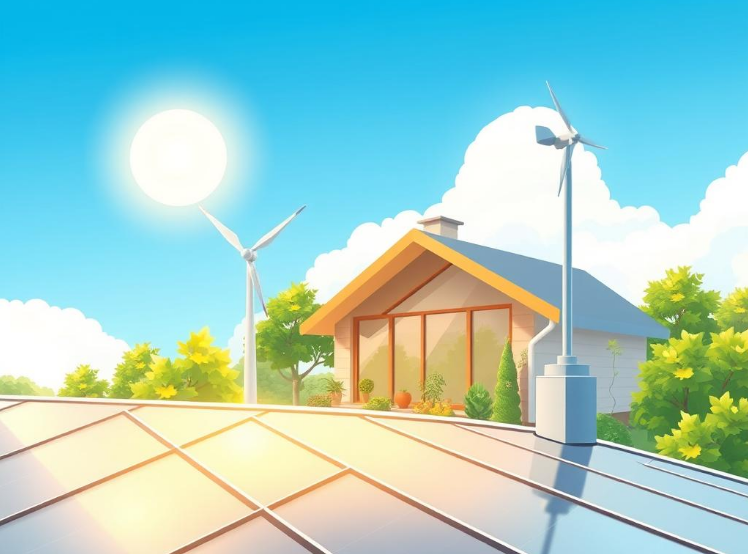

Did you know that global renewable energy capacity grew by a staggering 295 gigawatts in 2022, representing a critical breakthrough in climate change mitigation? This remarkable expansion signals a pivotal moment in our transition toward sustainable clean energy solutions.
The global climate crisis demands urgent action, and renewable energy sources represent our most powerful weapon in reducing greenhouse gas emissions. Sustainable clean energy technologies are rapidly transforming how we generate power, offering hope for a decarbonized future.
Climate scientists confirm that transitioning from fossil fuels to renewable energy is essential for limiting global temperature rise. Wind, solar, hydroelectric, and geothermal technologies are not just alternatives but necessary strategies for protecting our planet’s ecological balance.
This article explores the critical role of sustainable energy in combating climate change, examining innovative technologies, economic opportunities, and practical pathways toward a greener global energy ecosystem. By understanding these solutions, we can collectively drive meaningful environmental transformation.
Understanding the Climate Crisis and Energy’s Impact
The global energy landscape plays a critical role in climate change, with traditional energy sources driving unprecedented environmental challenges. Our planet faces a complex web of environmental threats directly linked to current energy production methods.
Carbon emissions reduction has become a paramount concern for scientists and policymakers worldwide. Fossil fuel alternatives are emerging as crucial solutions to mitigate the escalating climate crisis.
The Carbon Footprint of Traditional Energy Sources
Traditional energy systems, primarily relying on coal, oil, and natural gas, generate substantial greenhouse gas emissions. These fossil fuels contribute significantly to global carbon dioxide levels:
- Coal power plants release approximately 1.1 pounds of carbon dioxide per kilowatt-hour
- Natural gas generates about 0.6 pounds of carbon dioxide per kilowatt-hour
- Oil-based energy production contributes roughly 0.8 pounds of carbon dioxide per kilowatt-hour
How Greenhouse Gas Emissions Drive Global Warming
Greenhouse gas reduction strategies are essential for combating climate change. These gases trap heat in Earth’s atmosphere, creating a warming effect that disrupts delicate ecological balance. The energy sector remains the largest contributor to human-induced climate transformations.
Our energy choices today will determine the environmental legacy we leave for future generations.
Understanding the intricate relationship between energy production and climate change is crucial for developing sustainable solutions that protect our planet’s future.
What Makes Energy Sustainable and Clean
Clean energy solutions represent a critical pathway to addressing global climate challenges. Sustainable energy systems are defined by several key characteristics that distinguish them from traditional fossil fuel sources. These zero-emission energy approaches focus on minimizing environmental impact while providing reliable power generation.
The core principles of sustainable energy include:
- Renewable or virtually inexhaustible energy sources
- Minimal greenhouse gas emissions during operation
- Low environmental disruption
- Long-term economic viability
Different clean energy solutions emerge across various technologies. Solar, wind, hydroelectric, and geothermal energy represent primary sustainable energy systems that meet these rigorous criteria. Each technology offers unique advantages in generating zero-emission energy while reducing carbon footprints.
Experts distinguish authentic clean energy sources from borderline technologies. Nuclear power and natural gas with carbon capture remain controversial within sustainability discussions. True sustainable energy must demonstrate comprehensive environmental benefits beyond simple emissions reduction.
The transition to clean energy solutions requires understanding these fundamental principles. Sustainable energy systems are not just about generating power – they represent a holistic approach to environmental stewardship and technological innovation.
The Transition from Fossil Fuels to Renewable Resources
The global energy landscape is undergoing a profound transformation. The energy transition represents a critical pathway to addressing climate change and building a sustainable future. Shifting from traditional fossil fuel dependence to renewable energy sources requires comprehensive strategic planning and innovative approaches.
Navigating the clean energy economy involves understanding both challenges and opportunities. The renewable energy infrastructure development presents multiple economic and environmental benefits that extend beyond traditional energy models.
Economic Barriers and Opportunities
Renewable energy technologies have experienced dramatic cost reductions in recent years. Key economic considerations include:
- Declining solar and wind technology costs
- Potential job creation in green energy sectors
- Long-term investment opportunities
- Reduced dependency on volatile fossil fuel markets
Policy Frameworks Supporting Energy Transformation
Successful energy transition depends on robust policy mechanisms that incentivize renewable energy adoption. Critical policy strategies include:
- Renewable energy mandates
- Carbon pricing mechanisms
- Clean energy tax incentives
- International climate agreements
The path to a sustainable energy future requires collaborative efforts from governments, businesses, and individuals committed to meaningful climate action.
Solar Power: Harnessing the Sun’s Unlimited Potential
Solar power stands at the forefront of renewable power generation, offering a clean and sustainable solution to global energy challenges. Photovoltaic technology has revolutionized how we capture and convert sunlight into clean electricity, transforming the landscape of green energy technology.
The remarkable advancement of solar panels has dramatically reduced installation costs and increased efficiency. Modern solar systems can now generate electricity in various settings, from small residential rooftops to massive utility-scale solar farms.
- Residential solar installations can reduce household energy bills by up to 70%
- Utility-scale solar farms can power entire communities
- Solar technology continues to become more affordable and efficient
Key advantages of solar power include:
- Zero operational emissions
- Scalable infrastructure
- Unlimited renewable energy source
- Minimal environmental impact
Technological innovations have transformed solar energy from a niche technology to a mainstream renewable power generation method. Sophisticated photovoltaic cells and concentrated solar power systems now enable more effective energy conversion, making solar an increasingly attractive option for communities worldwide.
“Solar energy represents the most promising path toward sustainable, clean electricity for future generations.”
As green energy technology continues to evolve, solar power is poised to play a critical role in global efforts to mitigate climate change and transition toward sustainable energy solutions.
Wind Energy as a Cornerstone of Climate Solutions
Wind energy stands at the forefront of sustainable clean energy technologies, offering a powerful solution to global climate challenges. As the world seeks innovative approaches to reducing carbon emissions, wind power emerges as a critical component of comprehensive climate action strategies.
The potential of wind energy extends far beyond traditional power generation. Modern wind technologies have revolutionized our approach to energy efficiency, providing a clean and renewable alternative to fossil fuel-based electricity production.
Onshore and Offshore Wind Technologies
Wind energy technologies come in two primary configurations:
- Onshore Wind Farms: Located in rural areas with consistent wind patterns
- Offshore Wind Installations: Positioned in ocean environments with stronger and more consistent wind resources
These technologies have undergone significant technological advancements, including:
- Increased rotor diameters
- Enhanced tower heights
- Improved energy capture mechanisms
Addressing Intermittency Challenges
Wind energy’s primary challenge of intermittency is being systematically addressed through innovative strategies:
| Mitigation Strategy | Key Benefits |
|---|---|
| Geographic Diversification | Reduces localized wind variability |
| Advanced Weather Forecasting | Improves predictive capabilities |
| Grid Integration Techniques | Enhances overall energy stability |
| Energy Storage Systems | Provides backup power during low wind periods |
By implementing these sophisticated approaches, wind energy continues to prove itself as a reliable and scalable solution in the transition to sustainable clean energy infrastructure.
Hydroelectric and Geothermal Energy Contributions
Renewable energy sources continue to play a critical role in sustainable development and environmental sustainability. Hydroelectric and geothermal power represent two powerful technologies transforming our approach to clean energy production.
Hydroelectric power harnesses the natural energy of water through two primary approaches:
- Large-scale dam projects generating massive electricity output
- Smaller run-of-river installations with minimal ecological disruption
Currently, hydroelectric power stands as the largest renewable electricity source globally. Water’s kinetic energy gets converted into electrical power, providing a consistent and reliable energy generation method that supports sustainable development goals.
Geothermal energy offers another innovative renewable solution by tapping into the Earth’s internal heat. These power plants operate continuously, independent of weather conditions, delivering stable baseload power to electrical grids.
Key advantages of geothermal energy include:
- Continuous power generation
- Minimal carbon footprint
- Low environmental impact compared to fossil fuel alternatives
Both hydroelectric and geothermal technologies demonstrate the potential of renewable energy sources to create meaningful environmental sustainability solutions for communities worldwide.
The Promise of Sustainable Clean Energy in Decarbonization
Sustainable clean energy represents a transformative approach to addressing global climate challenges. By reimagining our energy infrastructure, we can dramatically reduce carbon emissions across multiple economic sectors.
Reducing Emissions Across All Sectors
Decarbonization strategies are revolutionizing how we think about energy consumption. The key to successful zero-emission energy transformation lies in comprehensive electrification:
- Transportation sector: Electric vehicles replacing fossil fuel-powered cars
- Buildings: Electric heat pumps and efficient heating systems
- Industrial processes: Electric furnaces and renewable-powered manufacturing
“The future of energy is not about reducing carbon—it’s about eliminating it completely.” – Clean Energy Institute
Integration with Smart Grid Technology
Smart grid technology plays a crucial role in enabling sustainable clean energy deployment. These advanced systems create intelligent networks that can:
- Balance variable renewable energy generation
- Optimize real-time electricity distribution
- Implement demand response programs
- Enhance grid reliability and efficiency
By combining renewable energy sources with cutting-edge technological innovations, we are creating unprecedented pathways to economy-wide decarbonization.
Energy Storage Solutions and Grid Modernization
The clean energy solutions revolution depends critically on advanced energy storage technologies. Sustainable energy systems require innovative approaches to capture and distribute renewable energy effectively. As wind and solar power generation continue to expand, the need for robust renewable energy infrastructure becomes paramount.
Battery technologies are transforming the energy landscape. Lithium-ion batteries have become increasingly sophisticated, offering several key advantages:
- Rapid charging capabilities
- Longer storage duration
- Decreased manufacturing costs
- Enhanced grid stability
Grid modernization represents the backbone of sustainable energy transformation. Smart grid technologies enable more efficient energy distribution, reducing waste and maximizing renewable resource utilization. These systems can dynamically balance electricity supply and demand, creating more resilient and responsive energy networks.
“The future of energy is not just about generation, but intelligent storage and distribution.” – Clean Energy Innovation Report
Emerging storage solutions like flow batteries and solid-state technologies promise even greater potential. These innovations address intermittency challenges by providing reliable backup power and smoothing out fluctuations in renewable energy production.
Strategic investments in renewable energy infrastructure are critical for accelerating the global transition to clean, sustainable energy systems. As storage technologies continue to improve, we move closer to a future powered by 100% renewable resources.
Global Success Stories in Renewable Energy Adoption
Renewable power generation has transformed from a theoretical concept to a practical solution for climate change mitigation. Several countries worldwide have demonstrated remarkable progress in sustainable development by embracing clean energy technologies.
Nations are proving that transitioning to renewable energy is not just environmentally responsible but economically strategic. Their success stories provide compelling evidence of how sustainable practices can drive meaningful climate solutions.
Pioneers of Clean Energy Transformation
- Denmark: Generating over 50% of electricity from wind power
- Costa Rica: Achieving extended periods of 100% renewable electricity
- Germany: Implementing comprehensive national energy transition strategy
- Scotland: Exceeding renewable electricity generation targets
These countries showcase innovative approaches to renewable energy adoption that other nations can emulate.
Quantifiable Climate Achievements
| Country | Renewable Electricity Share | Carbon Emissions Reduction |
|---|---|---|
| Denmark | 54% | 40% since 1990 |
| Costa Rica | 98% | 50% since 2005 |
| Germany | 46% | 35% since 2000 |
These achievements demonstrate that comprehensive climate change mitigation strategies can produce significant environmental and economic benefits.
Renewable energy is not just an environmental necessity, but an economic opportunity for forward-thinking nations.
The global landscape of energy is rapidly evolving, with sustainable development becoming a critical strategy for countries seeking to reduce carbon footprints while stimulating economic growth.
Corporate Responsibility and Green Energy Investment
The clean energy economy is rapidly transforming through strategic corporate investments and climate action initiatives. Major technology companies, manufacturers, and global brands are taking significant steps to revolutionize sustainable energy practices.
Leading corporations are driving green energy technology forward by implementing ambitious renewable energy strategies. Key focus areas include:
- Powering operations with 100% renewable energy sources
- Investing in long-term sustainable infrastructure
- Reducing carbon footprints across global operations
Financial institutions are reshaping investment landscapes by directing capital toward sustainable energy projects. Companies like Google, Microsoft, and Apple have committed substantial resources to renewable energy development, demonstrating that climate action can be both environmentally responsible and economically advantageous.
Corporate power purchase agreements (PPAs) have become critical mechanisms for expanding renewable energy capacity. These strategic investments enable businesses to:
- Secure stable, predictable energy costs
- Enhance brand reputation
- Mitigate future regulatory risks
The transition toward sustainable energy is no longer just an environmental imperative but a strategic business decision. Corporations are recognizing that long-term success depends on innovative green energy technology and proactive climate action.
Individual Actions and Community-Level Initiatives
The energy transition toward sustainable clean energy is not just a global challenge but a personal opportunity for individuals and communities to make meaningful impacts. Every person can play a crucial role in driving environmental sustainability through conscious choices and collective action.
How Consumers Can Support the Energy Transition
Consumers have multiple pathways to contribute to sustainable clean energy development:
- Enroll in utility green power programs
- Install residential solar panels
- Purchase renewable energy certificates
- Choose electric or hybrid vehicles
- Improve home energy efficiency
- Advocate for clean energy policies
These individual actions send powerful market signals that accelerate the shift toward renewable energy sources. Small personal choices can create significant collective momentum in transforming our energy landscape.
Local Renewable Energy Projects
Community-level initiatives are transforming how we approach sustainable energy:
- Community solar gardens enabling broader solar access
- Local wind cooperatives
- Municipal renewable energy programs
- Community choice aggregation initiatives
These distributed approaches democratize sustainable clean energy, building local support and creating resilient energy systems that empower communities to take charge of their environmental future.
Conclusion
The path to effective climate change mitigation lies squarely in our commitment to sustainable clean energy. Renewable energy sources have emerged as powerful alternatives to fossil fuels, offering transformative decarbonization strategies that can dramatically reshape our global energy landscape. The technological and economic barriers that once seemed insurmountable are now dissolving, revealing a clear roadmap to a more sustainable future.
From solar and wind to hydroelectric and geothermal technologies, we now possess the tools to radically reduce greenhouse gas emissions across multiple economic sectors. The collective efforts of governments, corporations, and individual consumers are creating a momentum that can fundamentally alter our approach to energy production and consumption. Innovative grid technologies and advanced energy storage solutions are making renewable energy more reliable and accessible than ever before.
The urgency of climate change demands immediate and coordinated action. While significant progress has been made, the window for meaningful intervention remains narrow. Implementing comprehensive decarbonization strategies requires collaboration at every level—from international policy frameworks to local community initiatives. Each decision to invest in clean energy represents a critical step toward mitigating the most severe potential impacts of global warming.
Our collective future depends on embracing sustainable clean energy as more than just an alternative—it must become our primary strategy for environmental preservation. The technologies exist, the economic models are viable, and the global will is growing stronger. We stand at a pivotal moment where individual and collective choices can reshape our planet’s environmental trajectory.
FAQ
What is sustainable clean energy?
Sustainable clean energy refers to renewable energy sources that produce minimal or zero greenhouse gas emissions during operation, have limited environmental impact, and can be continuously replenished. These include solar, wind, hydroelectric, and geothermal energy technologies that provide electricity without depleting natural resources or causing significant pollution.
Why is sustainable energy important for fighting climate change?
Sustainable energy is crucial because it helps reduce carbon dioxide emissions, which are the primary driver of global warming. By replacing fossil fuel-based energy sources with renewable alternatives, we can significantly decrease greenhouse gas emissions and limit the global temperature rise that leads to climate change impacts like extreme weather events, sea-level rise, and ecosystem disruption.
How do renewable energy technologies work?
Different renewable energy technologies capture and convert natural energy sources into electricity. Solar panels convert sunlight into electrical energy, wind turbines transform wind’s kinetic energy into electricity, hydroelectric plants generate power from flowing water, and geothermal systems harness the Earth’s internal heat to produce electricity and provide heating.
Are renewable energy sources cost-effective?
Yes, renewable energy has become increasingly cost-competitive with traditional fossil fuel sources. Technologies like solar and wind have seen dramatic price reductions, making them economically viable alternatives. Many renewable energy projects now generate electricity at lower costs than coal or natural gas power plants.
What challenges do renewable energy sources face?
The primary challenges include intermittency (solar and wind depend on weather conditions), energy storage limitations, and the need for grid modernization. However, technological advances in battery storage, smart grid systems, and geographic diversification of renewable energy sources are rapidly addressing these challenges.
How can individuals support the transition to sustainable energy?
Individuals can support sustainable energy by installing solar panels, choosing green energy plans from utilities, purchasing renewable energy certificates, investing in energy-efficient appliances, driving electric vehicles, and advocating for clean energy policies in their local communities.
Which countries are leading in renewable energy adoption?
Countries like Denmark, Germany, Costa Rica, and Scotland have made significant strides in renewable energy. Denmark generates a substantial portion of its electricity from wind power, while Costa Rica has achieved periods of 100% renewable electricity generation.
What role do corporations play in sustainable energy?
Many major corporations like Google, Microsoft, Apple, and Walmart have committed to powering their operations with 100% renewable energy. They are driving market change through power purchase agreements, investing in green technologies, and setting ambitious sustainability goals.
How does energy storage impact renewable energy?
Energy storage technologies, particularly advanced battery systems, are critical for managing the variable output of renewable sources like solar and wind. They allow excess energy to be stored and used when generation is low, effectively solving the intermittency challenge and making renewable energy more reliable.
What is the potential impact of sustainable energy on global emissions?
Sustainable energy has the potential to dramatically reduce global carbon emissions by replacing fossil fuels across multiple sectors, including electricity generation, transportation, heating, and industrial processes. Experts believe a full transition to renewable energy could cut global carbon emissions by up to 70-80% by 2050.