

Have you thought about how you use energy in this high-tech, green world? The Smart Grid is changing how we handle electricity. It brings new ways to manage your home’s energy better and supports the need for cleaner energy. This new electric grid uses cutting-edge tech for a two-way conversation between power companies and homes.
This change lets you use energy more wisely. Learn how this amazing grid infrastructure will not only change your electricity use but also how you connect with energy in an eco-friendly way.
Key Takeaways
- The Smart Grid modernizes electricity distribution through advanced communication technologies.
- It enables real-time energy management for optimizing electricity usage.
- This advanced system supports sustainable energy solutions and enhances reliability.
- Homeowners can benefit from reduced energy bills and improved energy efficiency.
- The Smart Grid represents a significant evolution in utility infrastructure.
Understanding the Smart Grid Concept
The Smart Grid is a big step forward in energy management. It combines new technologies and ways to communicate with the existing electricity network. This creates a system that’s more efficient and responds better to how we use electricity.
Definition of Smart Grid
A Smart Grid is an advanced electrical network. It uses digital tech to watch and manage how electricity moves in real-time. Thanks to this, energy use gets better and you can see how much electricity you’re using as it happens.
Key Components of Smart Grid
There are a few main parts that make the Smart Grid work:
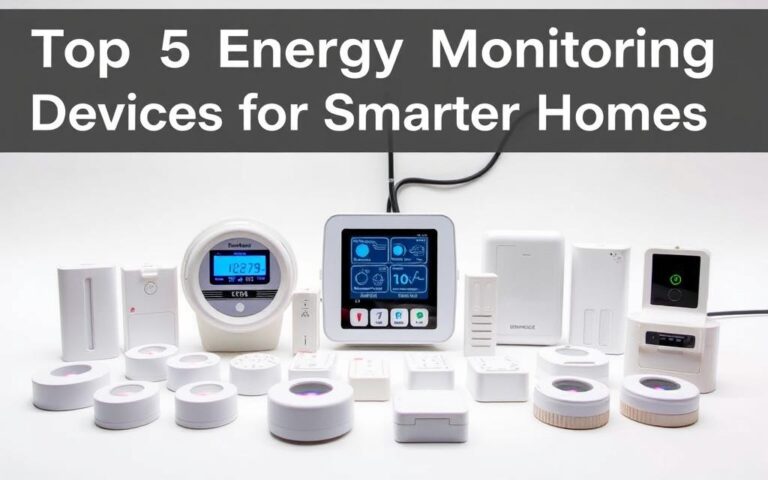
- Smart Meters: These give you up-to-the-minute info on your electricity use. This helps you make smarter choices about your energy.
- Automated Sensors: These sensors keep an eye on the power levels and find outages fast. This means quicker fixes.
- Demand Response Capabilities: This feature lets energy providers adjust how much power is used based on current demand. It helps ensure there’s enough power for everyone without wasting any.
How it Differs from Traditional Grids
Smart Grids and old-fashioned grids don’t talk the same way. Traditional grids send power to your home but don’t get any info back. Smart Grids, however, let electricity and data flow both ways. You can let your utility know how you’re using energy. This makes everything more interactive and efficient.
Benefits of the Smart Grid for Homeowners
The Smart Grid offers many perks for homeowners, like more energy efficiency, cost savings, and better reliability. This system uses advanced tech for energy management, making power use in homes smarter.
Increased Energy Efficiency
The Smart Grid really stands out by making your energy use more efficient. It lets you see your energy use in real-time. This helps you spot and stop wasting power.
Once you know where energy’s going, you can cut down on use, which saves money. If you add energy-saving appliances to the grid, you’ll save even more.
Cost Savings on Utility Bills
Smart Grid helps manage energy smarter, cutting down your bills. It lets you use less expensive energy when demand is low. Over time, this means big savings.
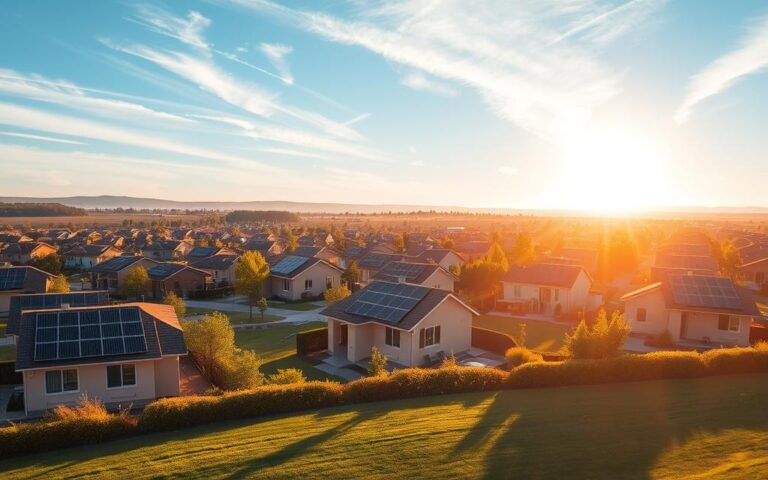
Also, if you use solar panels, you get extra benefits. These lower your costs even more, making energy cheaper.
Enhanced Reliability of Power Supply
The Smart Grid means more reliable power, fewer outages, and quicker fixes when problems happen. This stability ensures your gadgets work smoothly in tough times. It gives you peace of mind, improving your life quality.
How Smart Meters Work
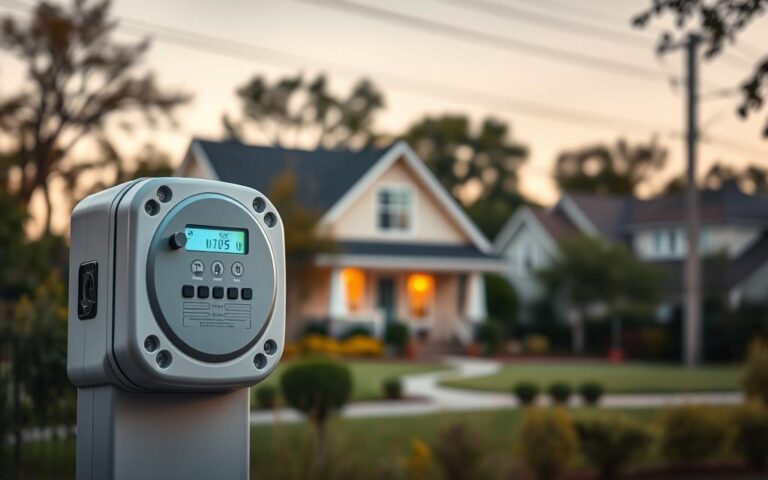
Smart Meters are advanced tools that replace old electric meters. They let you see how much energy you use more clearly. With these devices, you can check your energy use any time. This helps you use electricity better and make your home more eco-friendly.
What are Smart Meters?
Smart Meters are digital tools that show your energy use as it happens. They send this info directly to your power company, so no one has to come read the meter. This means you get accurate info. With this data, you can make wise choices about how you use energy.
Benefits of Smart Meters for You
- Enhanced Energy Management: Smart Meters show you your electricity habits. This helps you make better choices.
- Accurate Billing: With Smart Meters, your bills match what you actually use, no guesses.
- Support for Renewable Energy: These devices track how well you’re using clean energy at home.
Real-Time Energy Monitoring
With Smart Meters, you get up-to-the-minute info on your electricity use. This helps you be smart about when and how you use power. By knowing when you use the most energy, you can use less when it costs more. This cuts your bill and is better for the planet.
Renewable Energy Integration
Renewable energy sources, like solar and wind, are changing how we use electricity. This change focuses on using clean energy to make power use more efficient.
Role of Solar and Wind Energy
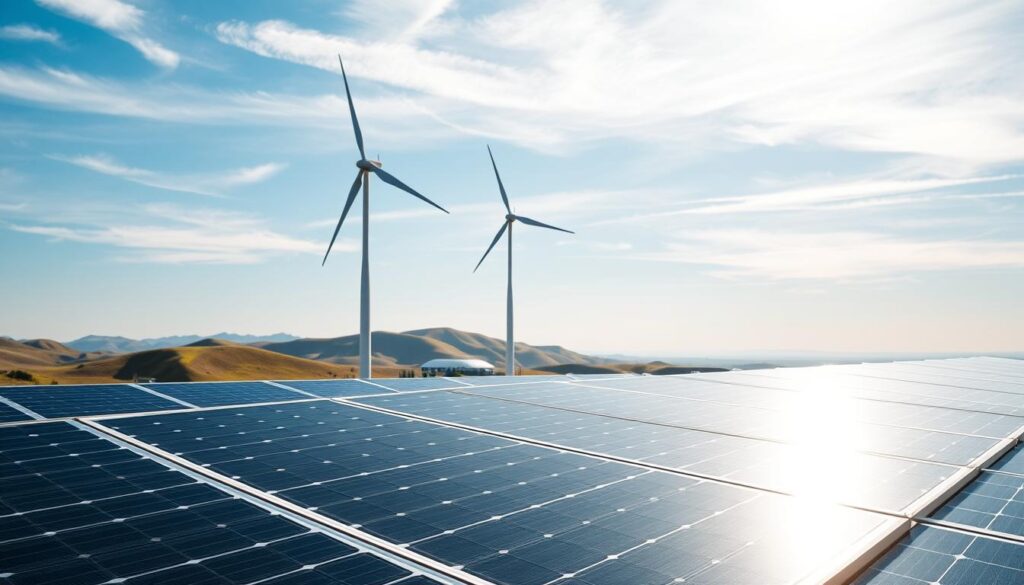
Solar and wind energy are key to moving towards renewable power. Solar panels turn sunlight into electricity. Wind turbines use wind to make power. They cut down our need for fossil fuels and make the Smart Grid more diverse and strong.
Incentives for Using Renewable Sources
In the US, the government gives incentives to encourage the use of renewable energies. Homeowners can get tax credits, rebates, and grants for solar panels or wind turbines. These offers make it cheaper to start using clean energy solutions.
Impact on Your Carbon Footprint
Using renewable energy greatly reduces your carbon footprint. Shifting to eco-friendly energy fights climate change and supports environmental care. The more we use renewables, the better our future will be.
Smart Home Devices and the Grid
Adding smart home devices to your place can really help with saving energy. It makes working with the Smart Grid easier. These tools not only automate your home but also make it use energy more wisely. This lets you have more control over how much energy you use.
Smart Thermostats and Energy Management
Smart thermostats are key for a smart home. They learn what temperatures you like. They talk to the Smart Grid to change settings by themselves, depending on energy prices at the time. This means you can use less energy when it’s more expensive. Doing this lowers your bills and helps the planet.
Connecting Appliances to the Smart Grid
Linking appliances with the Smart Grid helps manage how much energy they use. Smart fridges and washing machines can know when to run to save energy. They can do their job when energy costs less. You can also track how they use energy with your phone, helping you save money.
Home Automation Benefits
Automating your home makes life easier. It lets you mix different smart devices smoothly. You can set lights and your heating or cooling to work on your schedule. This not only makes your home more comfortable but it also saves energy. It ensures you only use what you need.
Troubleshooting and Reliability
The Smart Grid makes your home’s energy use smarter. But, sometimes, things can go wrong and affect its reliability. Knowing common problems and how to fix them is key. This ensures your home stays efficient and fully working.
Common Smart Grid Issues
Smart Grids might face problems that hurt their performance, like:
- Data mistakes that cause wrong billing.
- System breaks that lead to power outages.
- Connection issues that stop devices from talking correctly.
- Slow data sending that affects live monitoring.
Solutions for Homeowners
Stopping problems before they start helps a lot. Here are ways to do it:
- Make a schedule to check your Smart Grid devices often.
- Use tools that let you watch energy use as it happens.
- Keep up with software updates for the best performance.
- Get help from pros when things get too tricky.
Continuous Monitoring and Maintenance
Keeping an eye on things all the time makes the system reliable. It helps spot problems fast, so your Smart Grid works right. With constant checks, you learn more about using energy better. This way, you can fix small issues before they turn big.
Security Concerns with Smart Grids
Smart Grids are changing how we manage energy. But, we must be aware of security issues. They rely on connected tech and face many cyber threats. These can risk your personal info and the grid’s stability.
It’s key to know these dangers to protect your home and its energy systems.
Cybersecurity Threats
Cyber threats to the Smart Grid vary a lot. They can be unauthorized data access or attacks that cut off energy. Hackers, malware, and even insiders pose threats.
Ignoring these dangers can harm your home’s network and the grid’s function.
Protecting Your Home Network
To fight these cyber risks, secure your home network first. Use strong passwords on all devices. Update the software and firmware on smart devices regularly.
Using a VPN for remote access adds extra security. This adds an encryption layer.
Measures to Ensure Safety
To ensure safety, use both proactive and reactive steps. Use strong passwords and two-factor authentication on devices when you can. Check your energy management systems regularly for security weakness.
Government Regulations and Incentives
Government rules play a big part in how quickly we see Smart Grids grow in the U.S. These policies push for a greener way of getting energy, using more renewable sources and high-tech solutions. Knowing about these rules and what perks you can get helps you make smart choices about updating your home’s energy setup.
Overview of Relevant Policies
Many government groups have set up rules to boost the use of renewable energy with Smart Grids. Their goal is to make switching to cleaner energy smoother and improve our energy systems. These efforts make energy use not only better for the planet but also more reliable for us all.
Tax Credits for Smart Technology
If you buy smart tech for your home, you could get tax credits. This can lower how much you spend to make your home’s energy setup better. Using these tax credits means you save money and help reach wider goals for using energy in smarter, more sustainable ways.
Local Programs Supporting Smart Grids
There are lots of local programs out there to help you switch to Smart Grids and renewable energy. They offer things like grants and financial help to make it easier for you. Getting involved with these programs keeps you up to date and gives you tools to better manage your energy use.
| Incentive Type | Description | Eligibility Criteria |
|---|---|---|
| Federal Tax Credit | Reduces cost associated with smart technology installation. | Homeowners installing eligible systems. |
| State Grant Programs | Financial assistance for renewable energy projects. | Varies by state and project type. |
| Utility Rebates | Incentives from utility companies for energy-efficient upgrades. | Specific to appliance or technology upgrades. |
Future of the Smart Grid
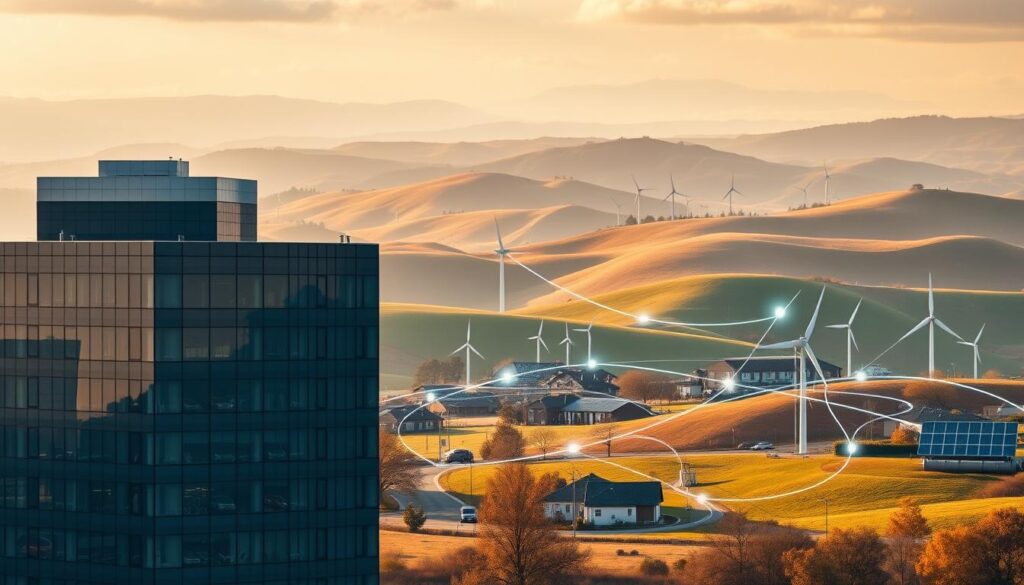
The Smart Grid promises an exciting future for how we use and manage electricity. It highlights new trends and innovations that are changing the game. Things like better energy storage, stronger cybersecurity, and smart AI solutions are leading the way. These changes will let homeowners play a big part in the shift towards new energy practices.
Trends Shaping Energy Technology
Several key trends are making the Smart Grid even smarter. For instance, better energy storage systems are making it easier to use renewable energy. Also, AI is being used to analyze data in real time. This helps optimize how energy is passed around and used more efficiently. These steps are making the grid more responsive and stronger.
Potential Innovations on the Horizon
There are some exciting sustainable energy innovations coming up that will impact the Smart Grid. For example, there’s blockchain for trading energy and creating virtual power plants. These let people use energy more efficiently and help keep the grid stable. Also, smart inverters are coming. They’ll make it easier for everyone to add their own renewable energy to the grid.
Your Role in the Energy Transition
As a homeowner, you’re really important for making the energy shift successful. If you start using smart tech and push for greener ways to live, you’ll cut down your carbon footprint. Plus, you’ll help make the Smart Grid work better for everyone. Getting involved with local energy projects can also move us towards a cleaner, sustainable future.
Getting Started with Smart Grid Technology
Switching to Smart Grid technology lets you control your energy use better. First, check your home’s setup to find the right smart devices for you. Think about what appliances you have and if they work with home automation. Doing this helps your energy use become more efficient and green.
Assessing Your Home’s Readiness
First, look at your electrical systems and devices. Identify where you can save energy, maybe by improving insulation or getting new appliances. Knowing how your home uses energy helps you choose the best smart devices. This ensures an easy switch to a better energy system.
Choosing Smart Devices and Services
Find smart devices that make your energy use better. Think about getting smart thermostats, lights, and appliances that talk to the Smart Grid. You could also look into services that track your energy use in real-time. This makes your daily life easier and saves energy.
Steps to Implementing a Smart Home Upgrade
To upgrade to a Smart Grid, make a plan. It should include your budget and the devices you want. Get your smart devices and set them up as the instructions say. Connect them to your home automation system. Then, learn how your new system works. This will help you use less energy and be eco-friendly.